Amber
Toasty, balanced, and copper-hued. The Goldilocks zone.
Amber ales live in the sweet spot between pale and brown, showcasing caramel malt with enough hop presence to stay interesting. The copper-to-ruby color hints at the toasty, slightly sweet character within. Not too light, not too dark—just right.
5 styles · Best in a Nonic
6 Amber beers in BREWTANICA™, each one read from a real label.
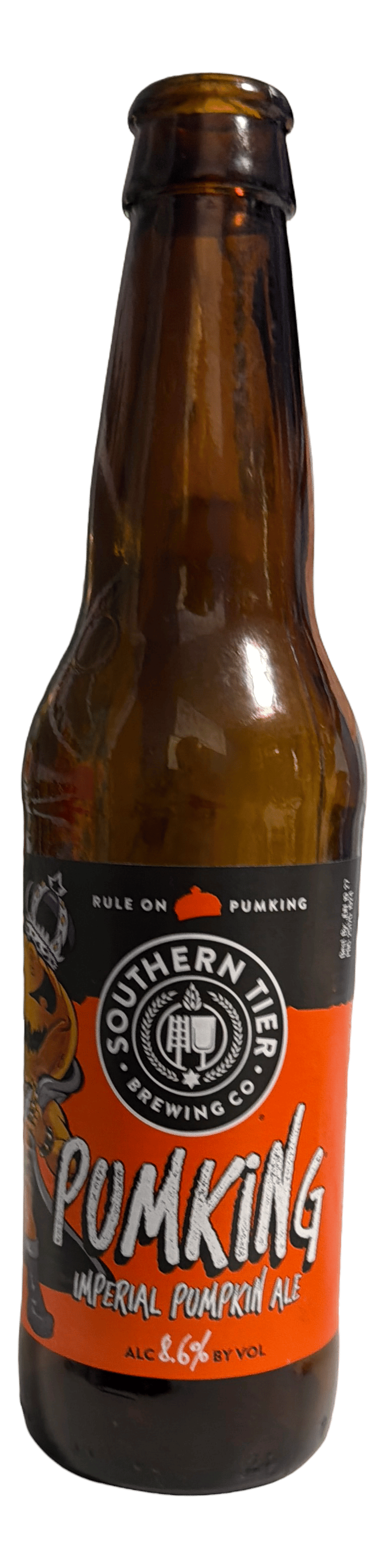
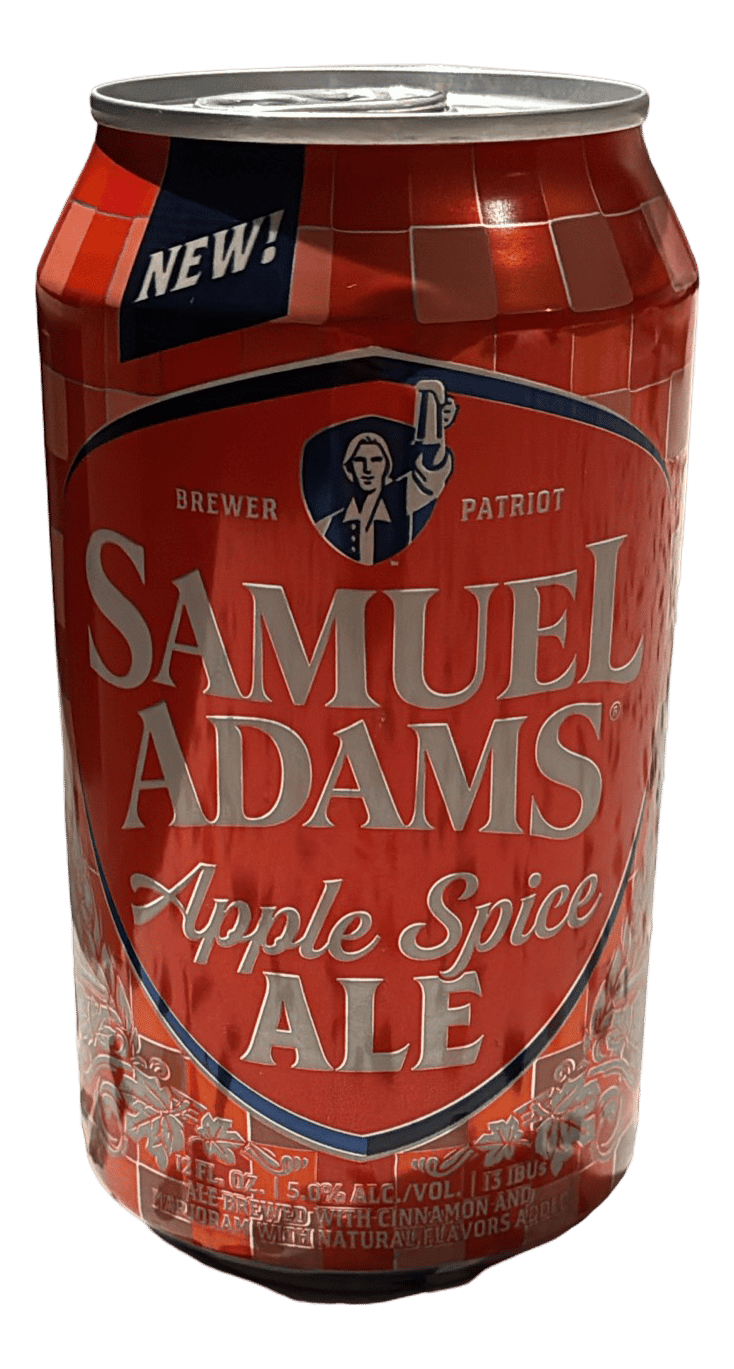
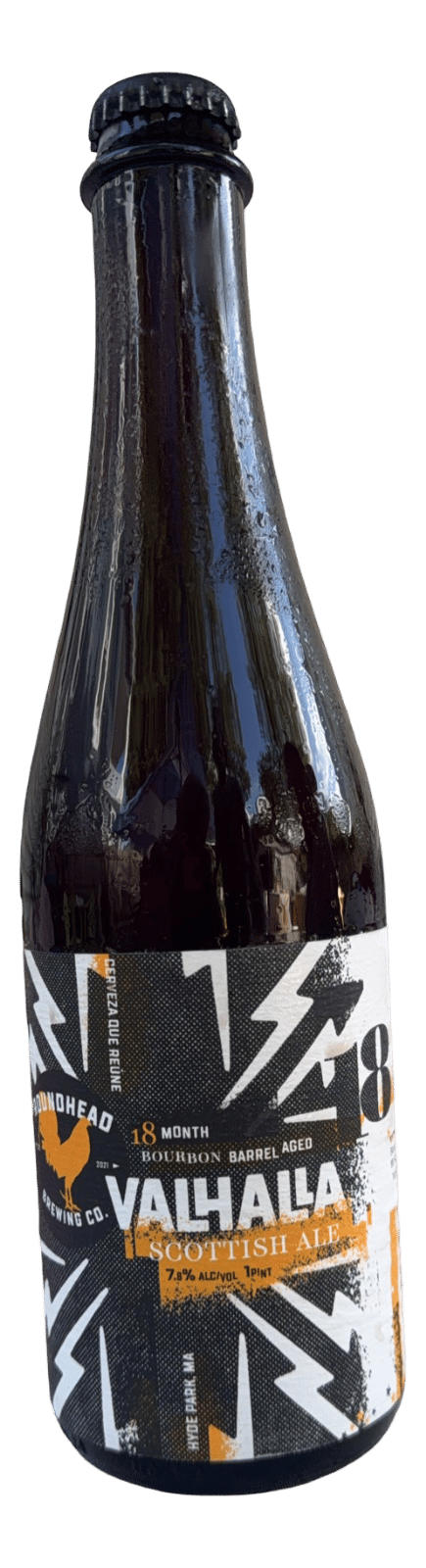
Styles within Amber
Each with its region of origin.
Altbier
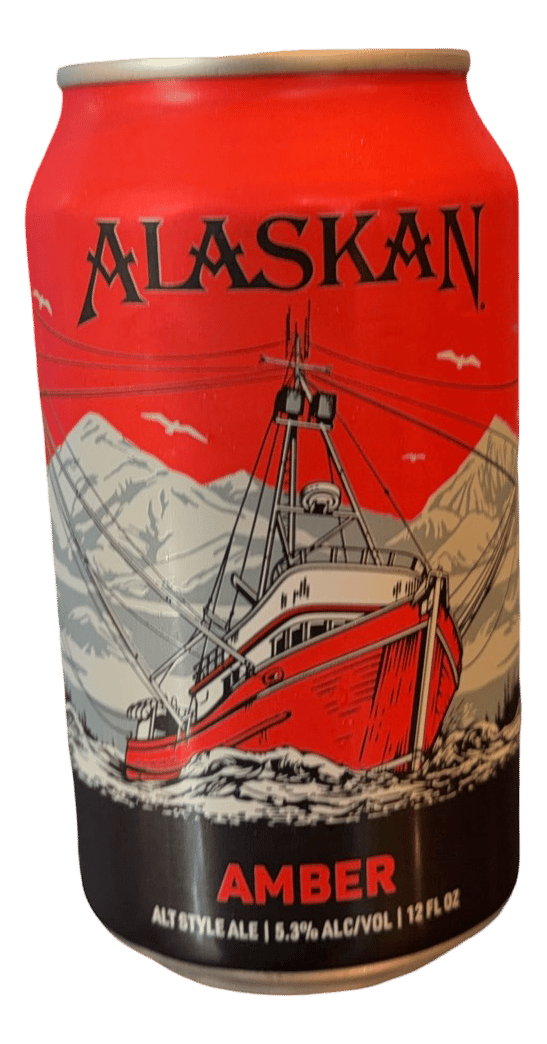
Germany's hybrid ale: balanced malt and hops, a clean finish, copper to dark brown at 4.6–5.6% ABV and 25–52 IBU. Alaskan Amber prints it on its label as an alt-style ale. Made for German sausages and roasted meats.
American Amber
USABroader category than it sounds. Caramel-forward malt, clean American hops, 5-6% ABV. Sessionable but flavorful. Fat Tire pioneered the style commercially—New Belgium's amber reshaped what American craft looked like.
Irish Red Ale
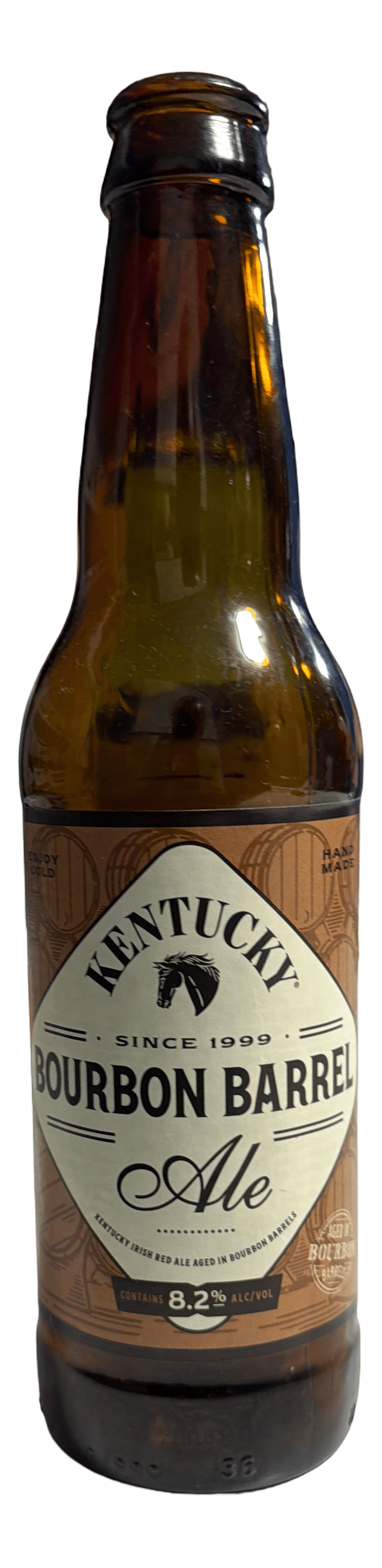
IrelandCopper-red, lightly roasted, clean-drinking Irish ale. Smithwick's is the commercial template. Light caramel, a touch of roast, low hops. More subtle than its color suggests. Underappreciated in the craft scene outside of St. Patrick's Day.
Scottish Ale
ScotlandMalt runs the show — caramel, a little toast, hops barely there. The faint smoky, peaty edge is the regional signature. Ranges 3-6.5% ABV, so the lighter end drinks like a session ale. Not to be confused with Scotch Ale, its much heavier cousin.
Spiced Ale
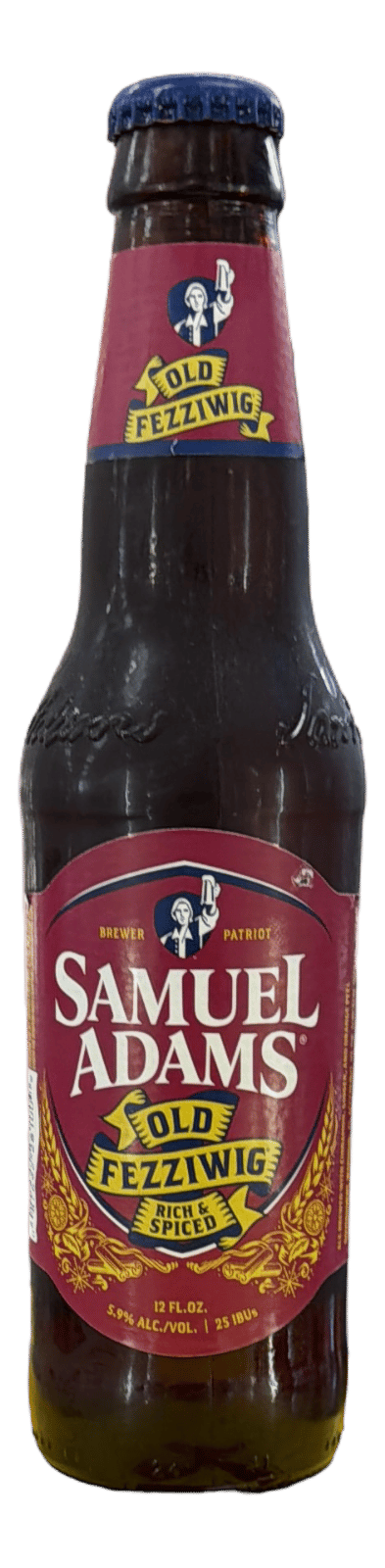
Ale built around added spice, which may complement the base beer or take it over. The style guide files herb and spice beers by the addition, so colour and strength follow the base. Samuel Adams Old Fezziwig prints it. Pair with dishes that use the same spices.