
Pilsner
Bohemia's golden gift—noble hops, soft water, crystal clarity.
Born in 1842 Bohemia, the pilsner didn't just change beer—it changed what beer could look like. That brilliant golden clarity comes from soft water and Saaz hops delivering a noble bitterness that's refreshing, never aggressive. The original "crushable" before that was a word.
6 styles · Best in a Pilsner
26 Pilsner beers in BREWTANICA™, each one read from a real label.
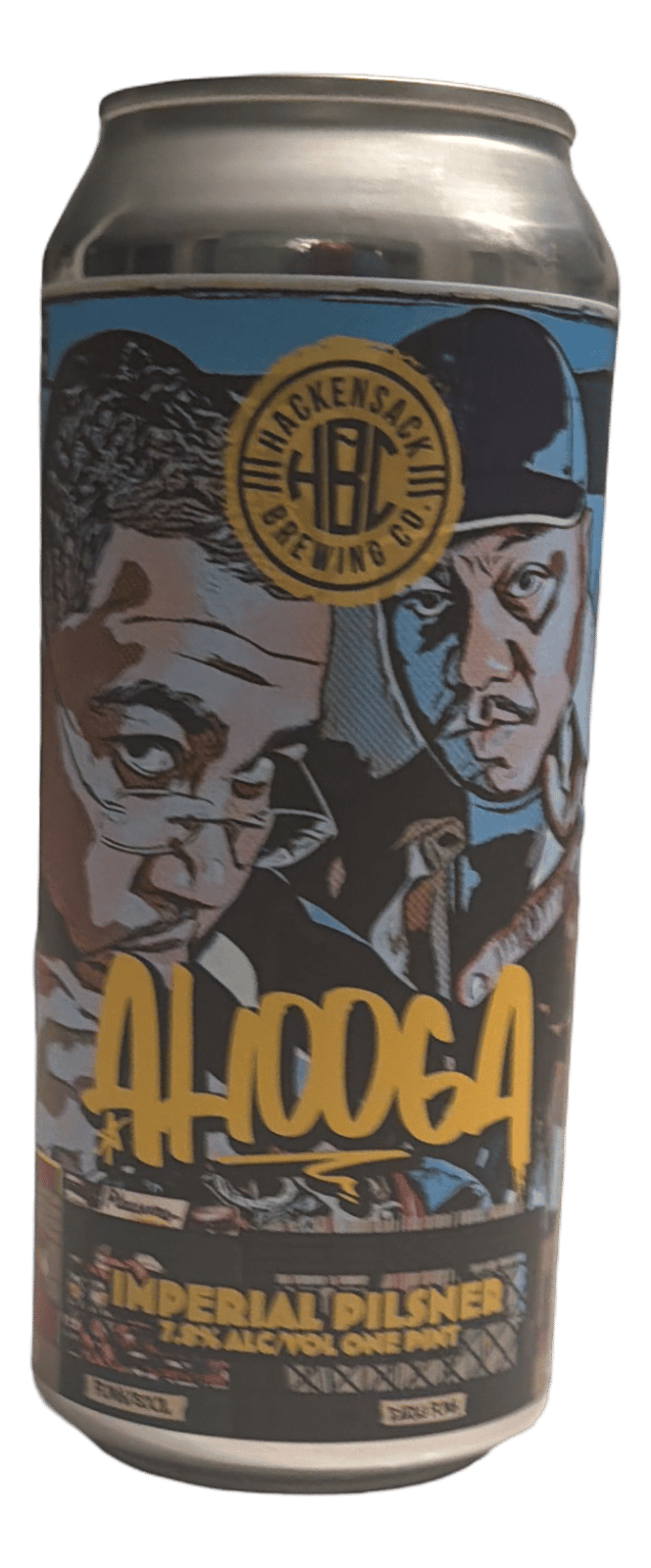
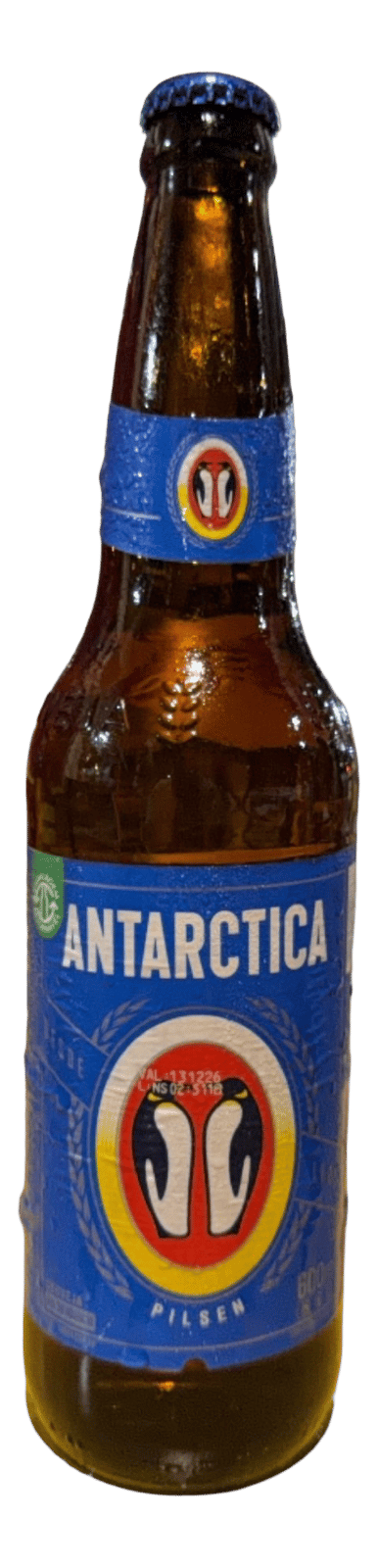
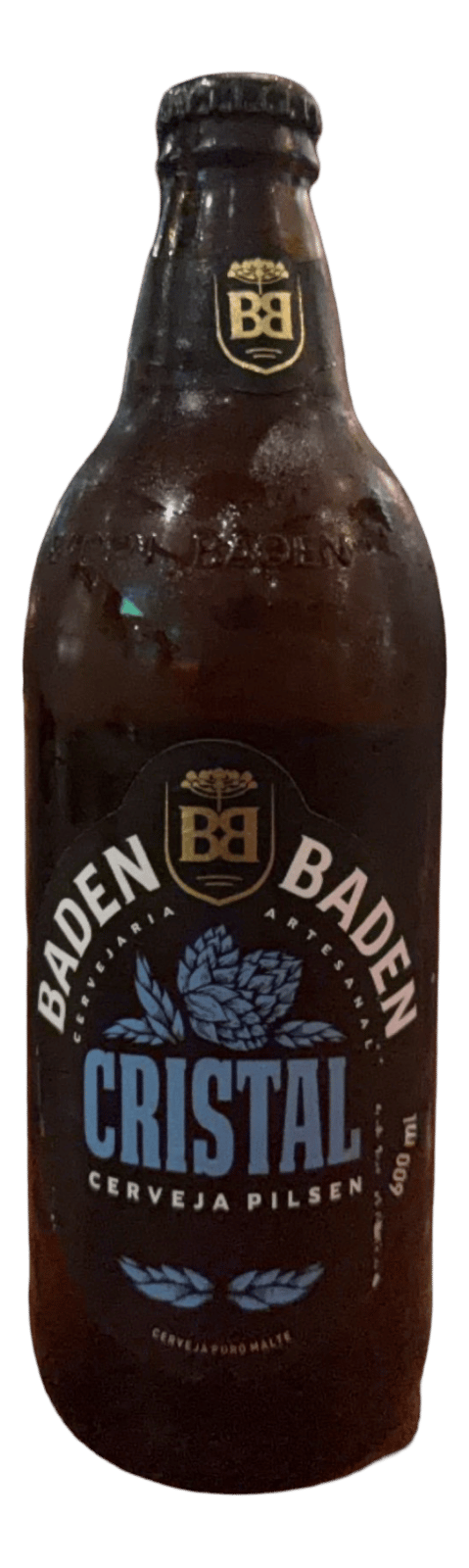
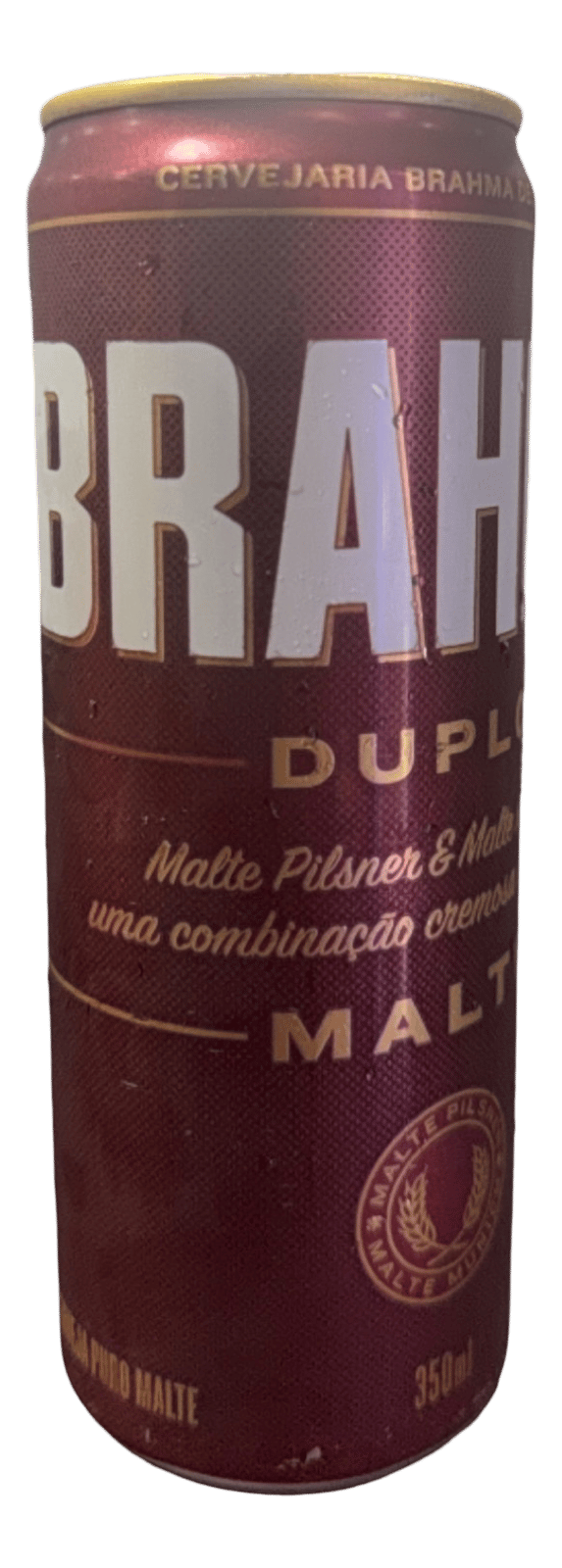
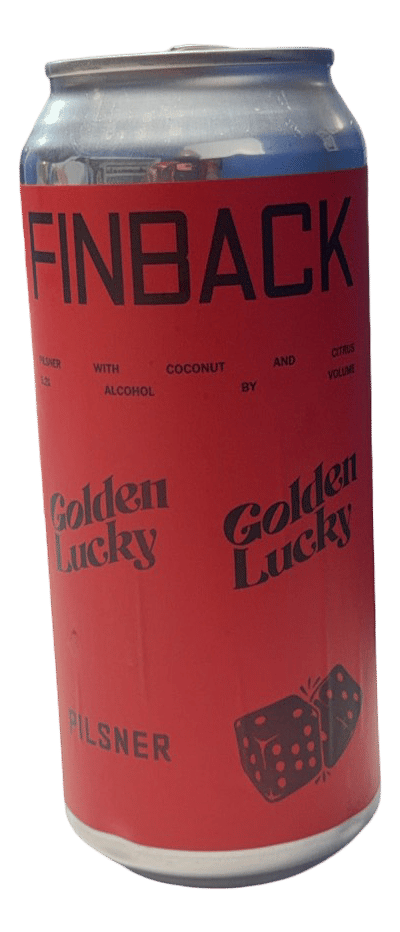
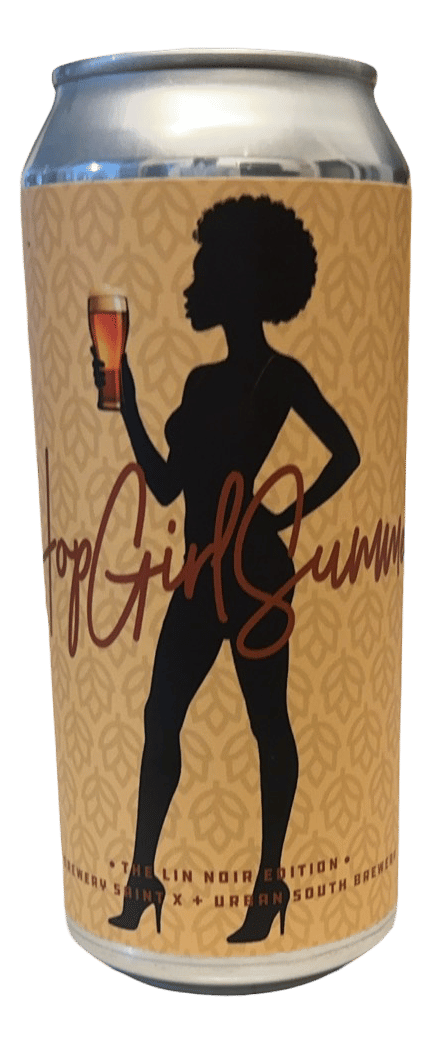
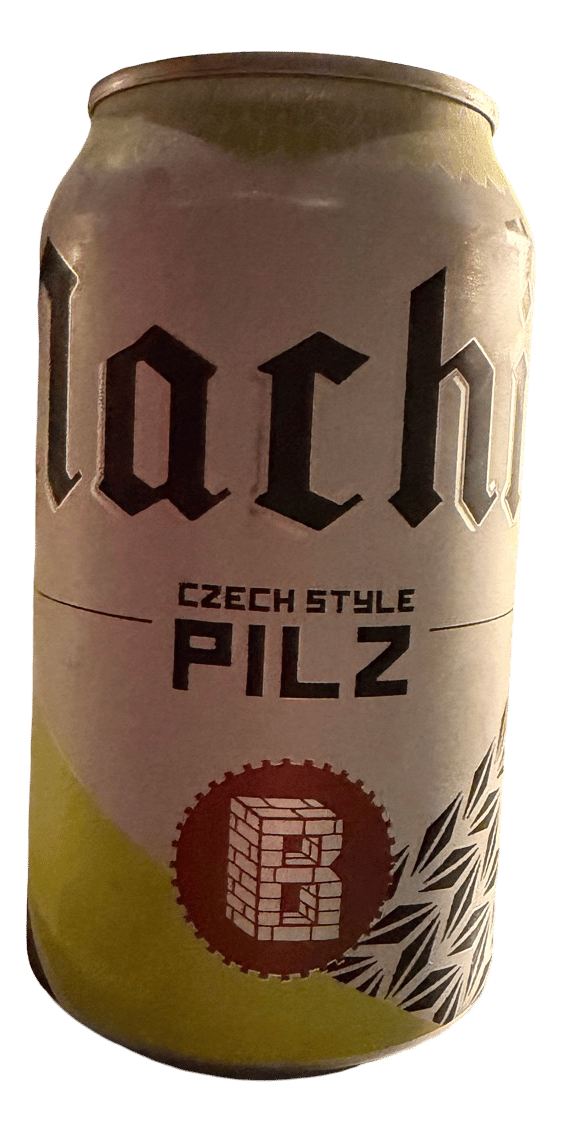
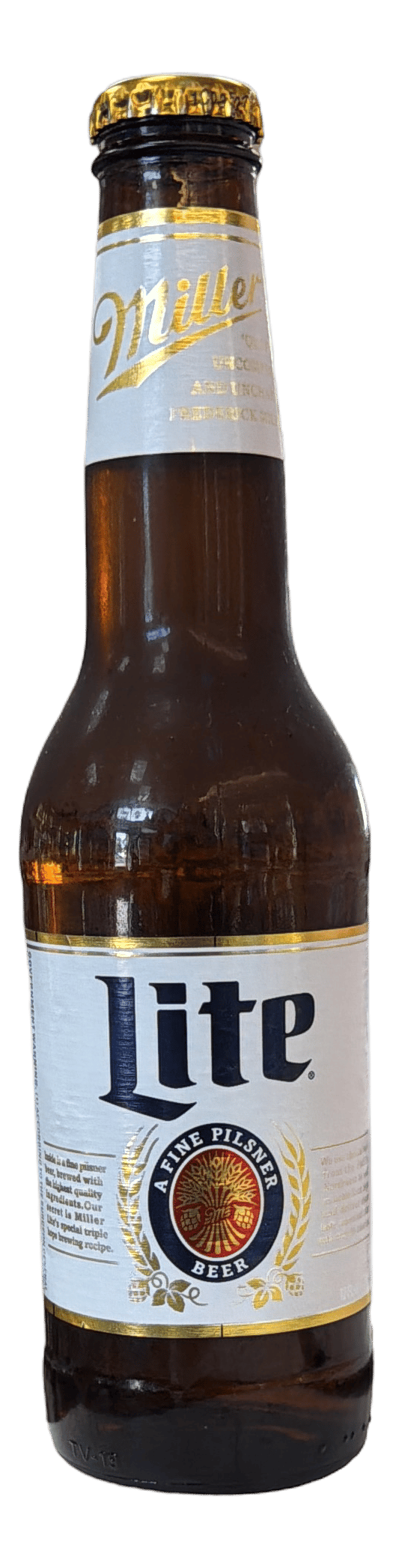
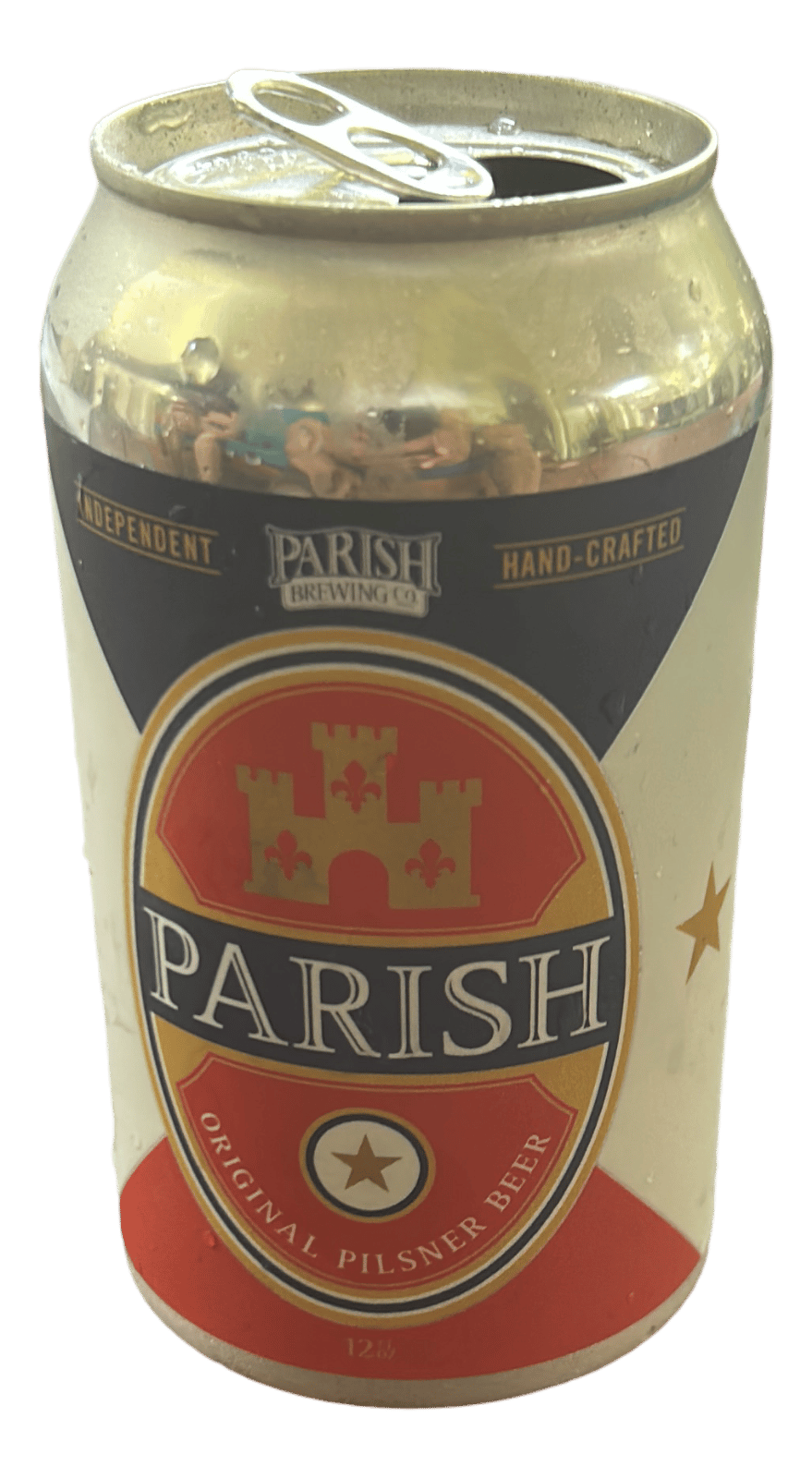
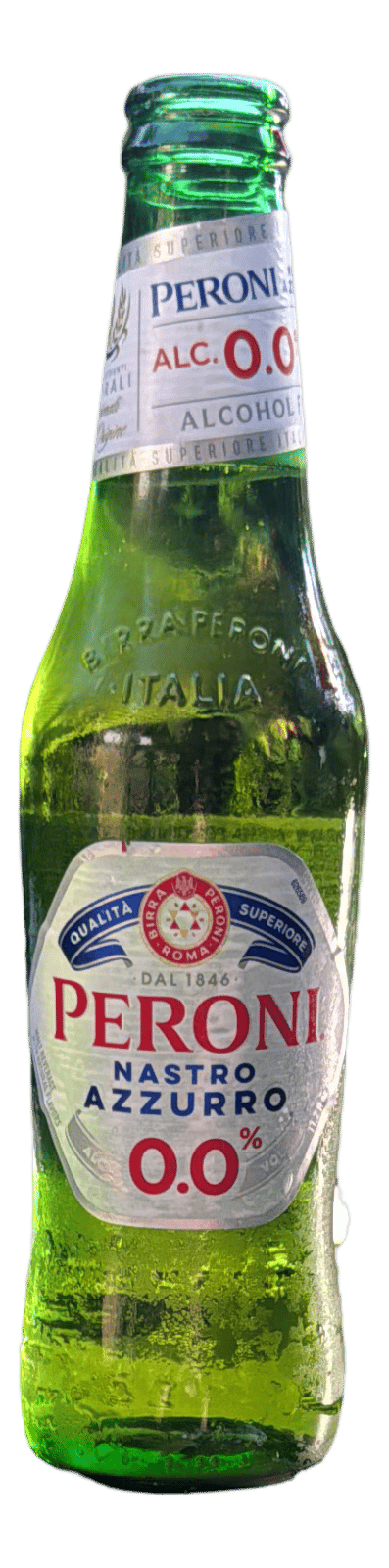
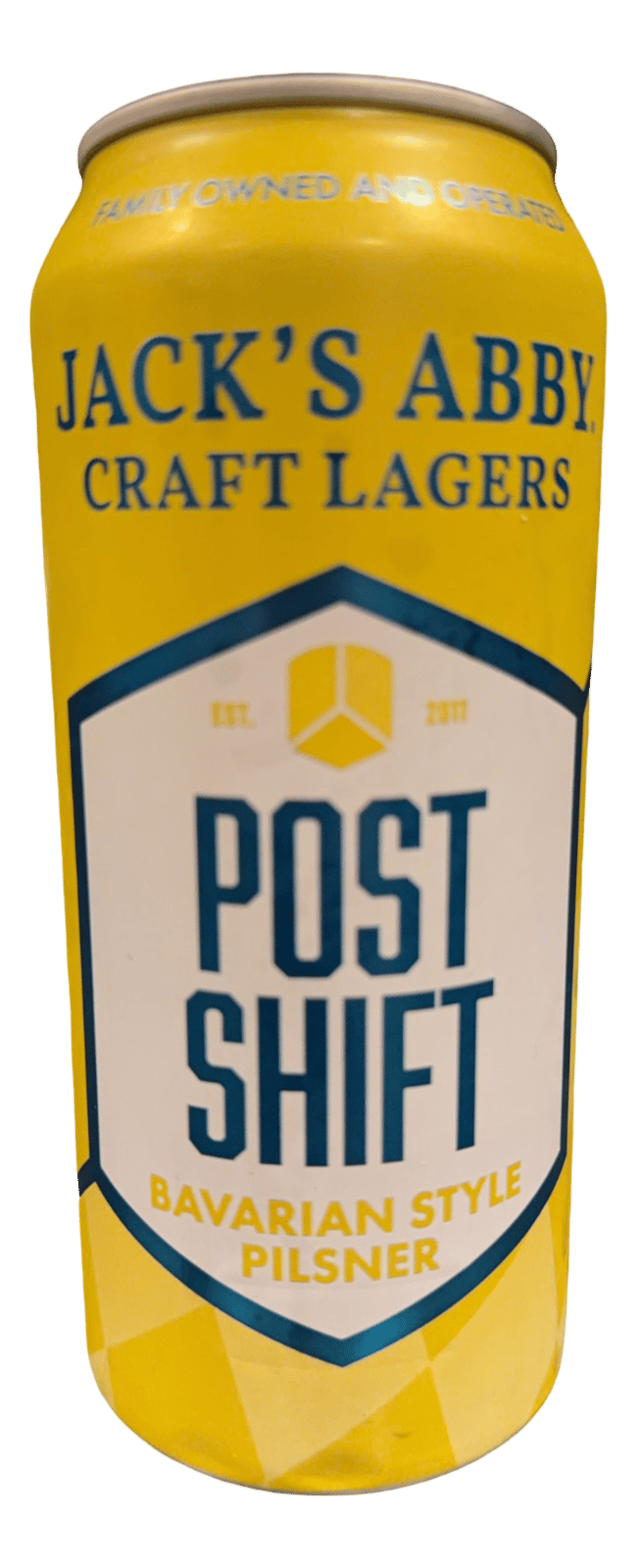
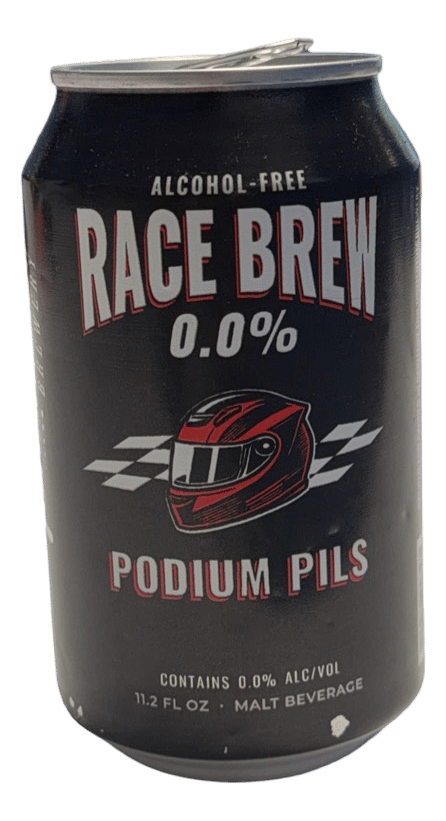
Styles within Pilsner
Each with its region of origin.
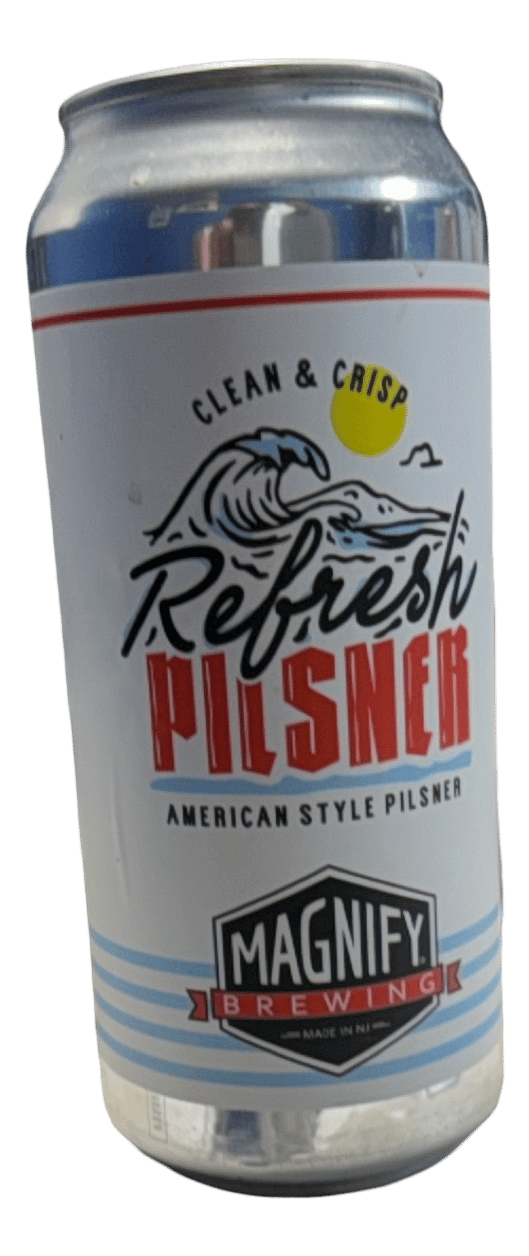
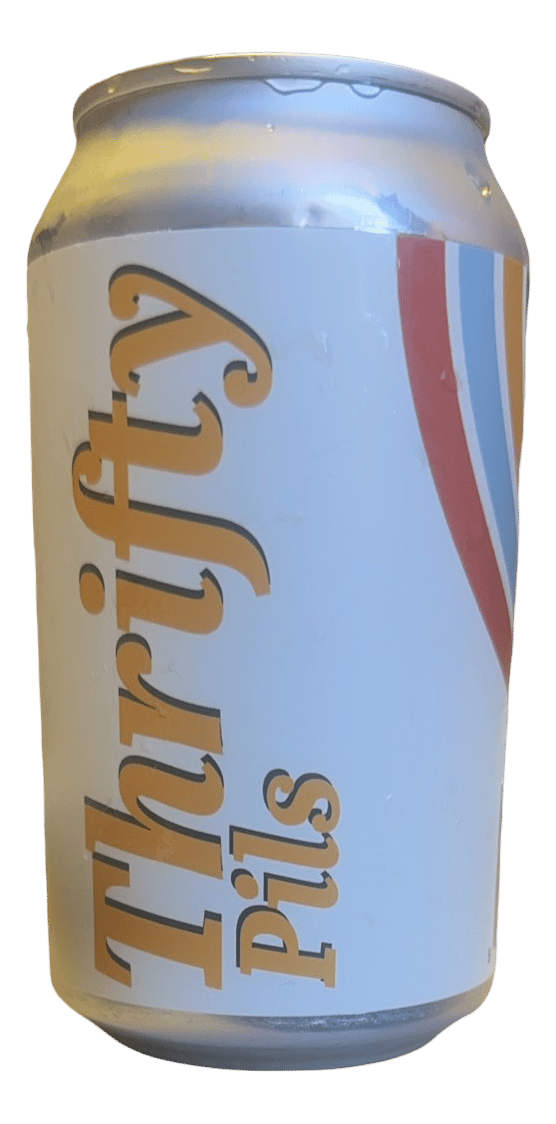
American Style Pilsner
American-style pilsner: straw to gold at 4.9–6.0% ABV and 25–40 IBU in the style guide, which also lists a contemporary version up to 50 IBU. Ours is Magnify Brewing's Refresh Pilsner, at 5%.
Czech Pilsner
Czech RepublicThe original pilsner, from Plzeň in 1842. Pilsner Urquell's blueprint: soft Bohemian water, floor-malted Moravian barley, Saaz hops, long cold lagering. Golden, biscuity, spicy-hoppy, endlessly clean. Every other pilsner is a variation on this.
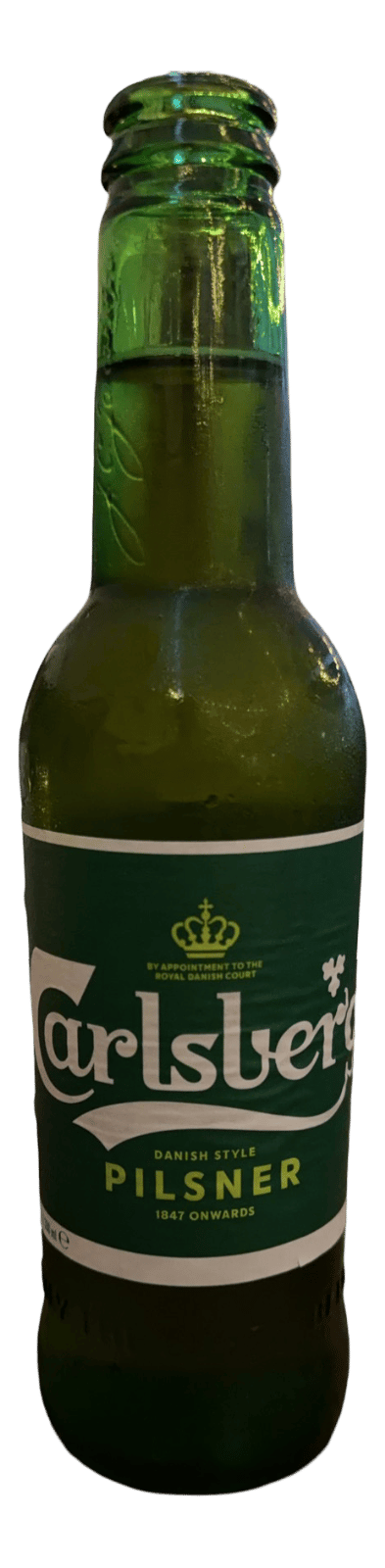
Danish Style Pilsner
The style Carlsberg Pilsner prints on its label, at 5% ABV. The style guide has no Danish entry; its international-style pilsener runs straw to gold at 4.6–5.3% ABV and 17–40 IBU.
German Pilsner
GermanyCrisper, drier, and hoppier than its Czech cousin. German water runs harder, the hops more assertive, the finish more bitter. Northern breweries perfected it into something bracing. Bitburger, Jever, Warsteiner—pilsner turned up to a cold edge.
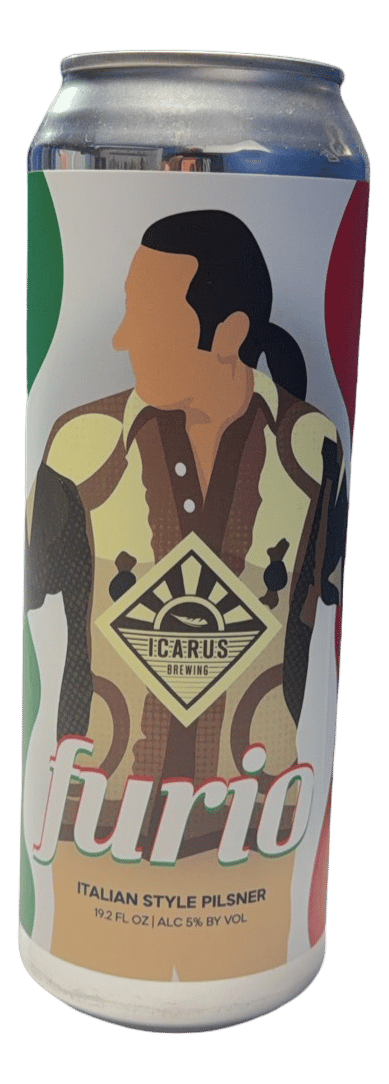
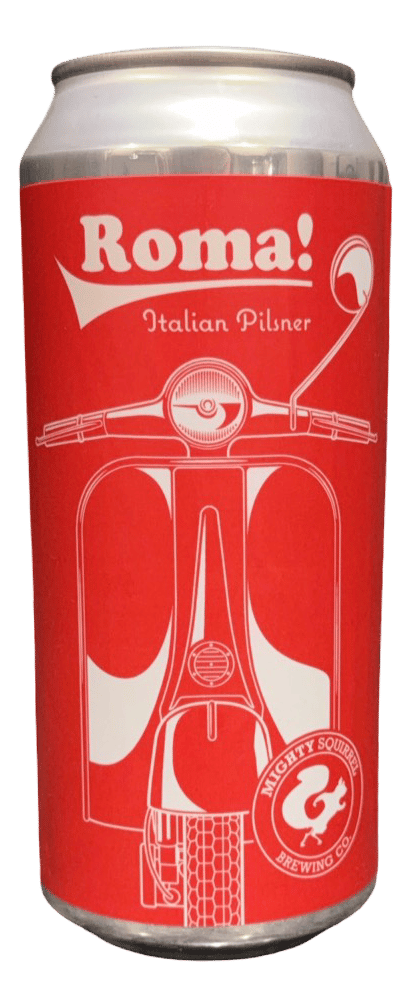
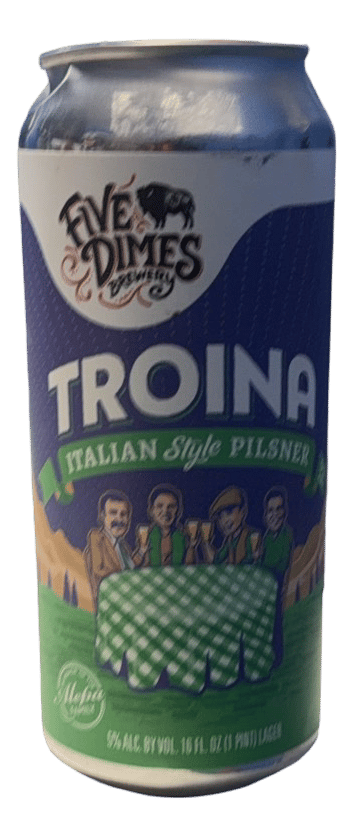
Italian Pilsner
ItalyThe newcomer. Birrificio Italiano's Tipopils from 1996 redefined pilsner—dry-hopped with Saaz and Spalter Select, softer and more aromatic than its forebears. A tradition-respecting innovation that's inspired a global substyle.
West Coast Pilsner
USAWhat happens when Californian brewers apply IPA philosophy to pilsner. Clean lager base, aggressive American hops—Mosaic, Citra, Amarillo. Crisp, dank, and bitter in ways a traditional brewer would find scandalous. And it works.