
Stout
Roasted, rich, and surprisingly versatile. Darkness has depth.
Don't let the darkness fool you—stouts are remarkably versatile. Roasted barley delivers coffee and chocolate notes without requiring high alcohol, while the creamy body invites you to linger. From dry Irish sessions to imperial dessert monsters, the dark side has depth.
13 styles · Best in a Nonic
54 Stout beers in BREWTANICA™, each one read from a real label.
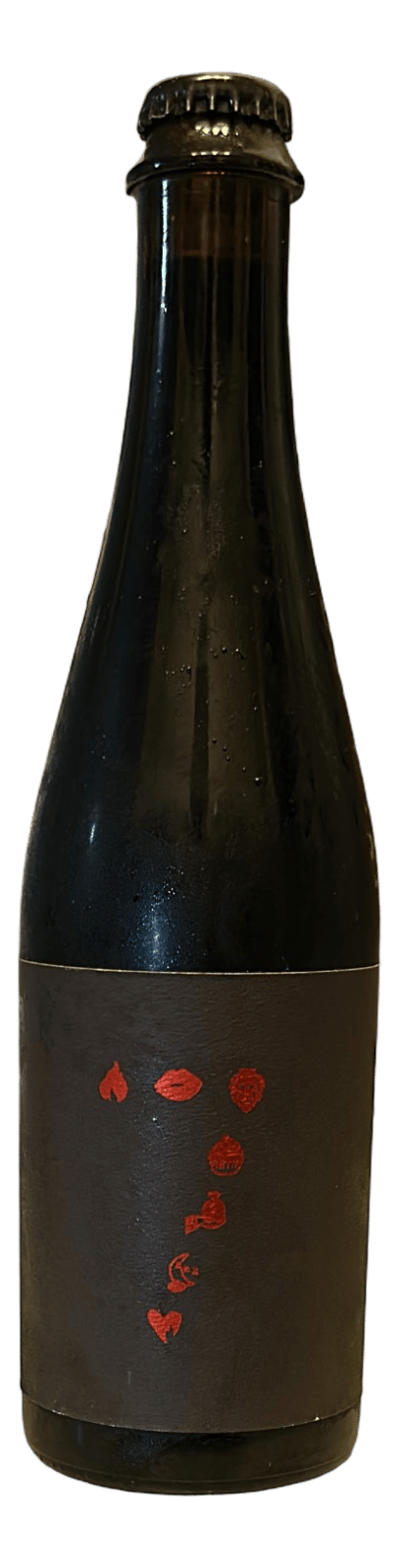
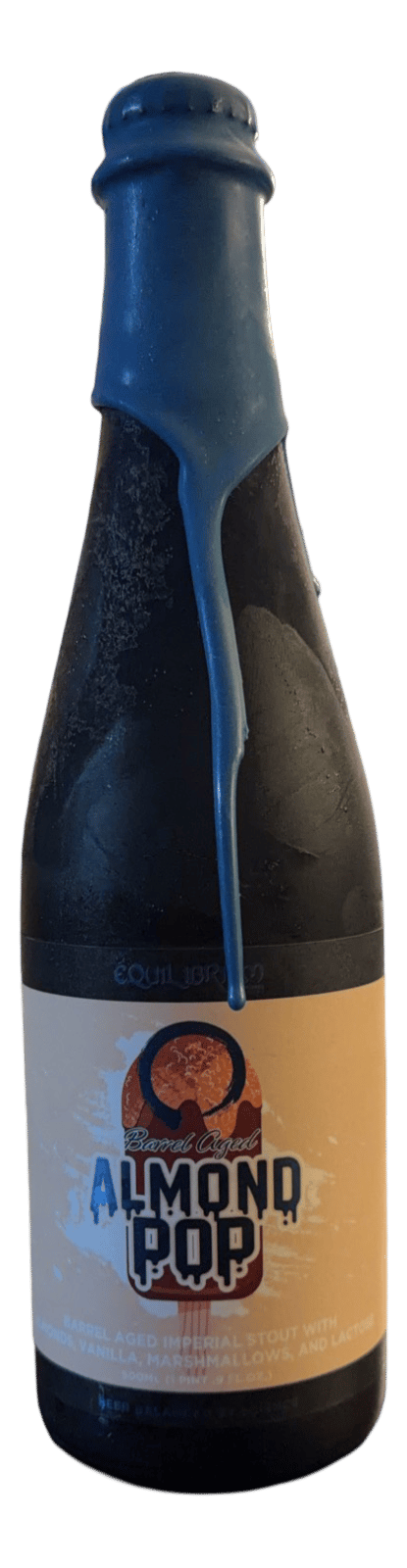
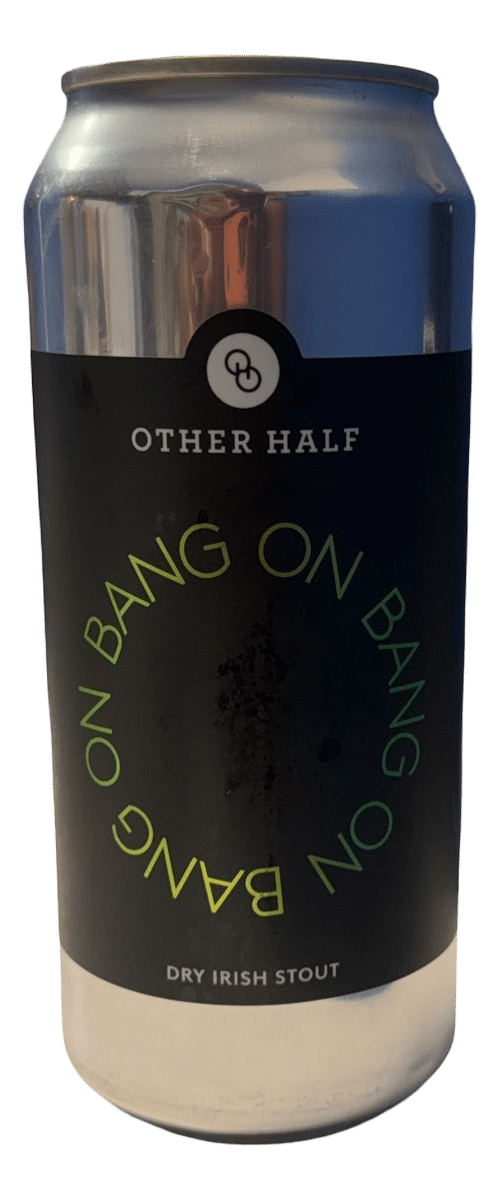
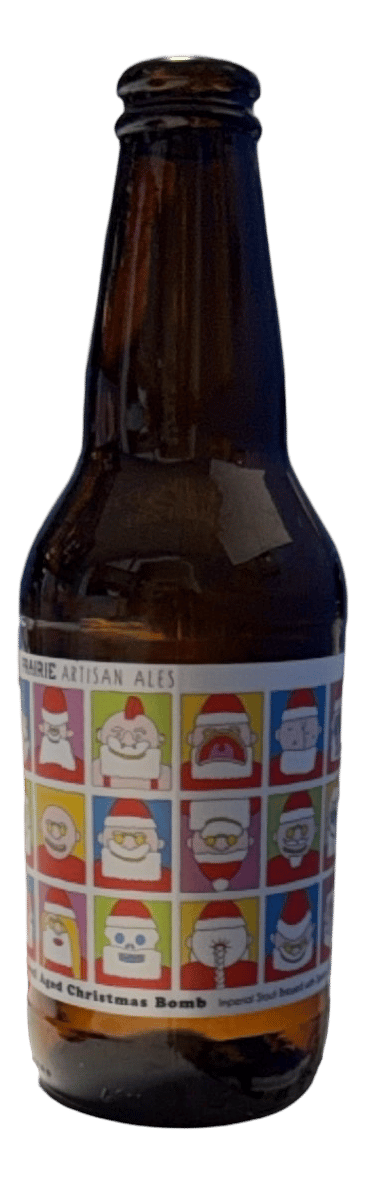
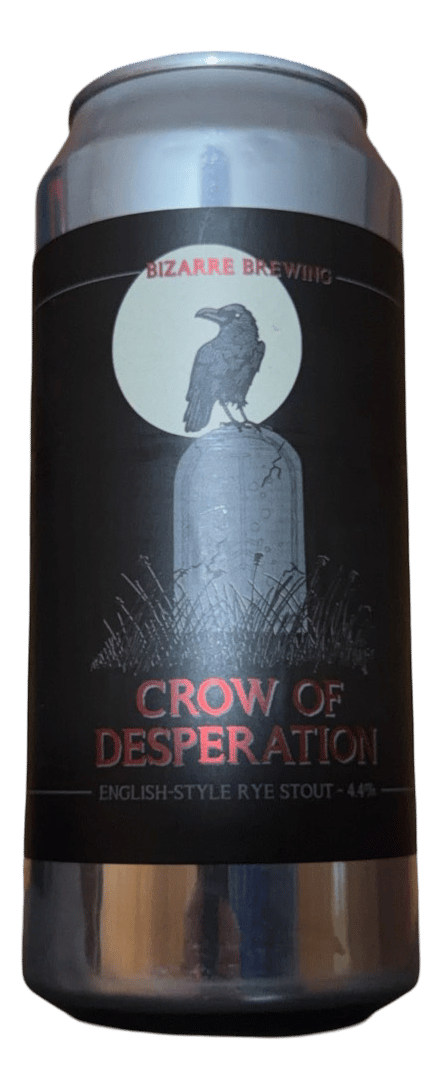
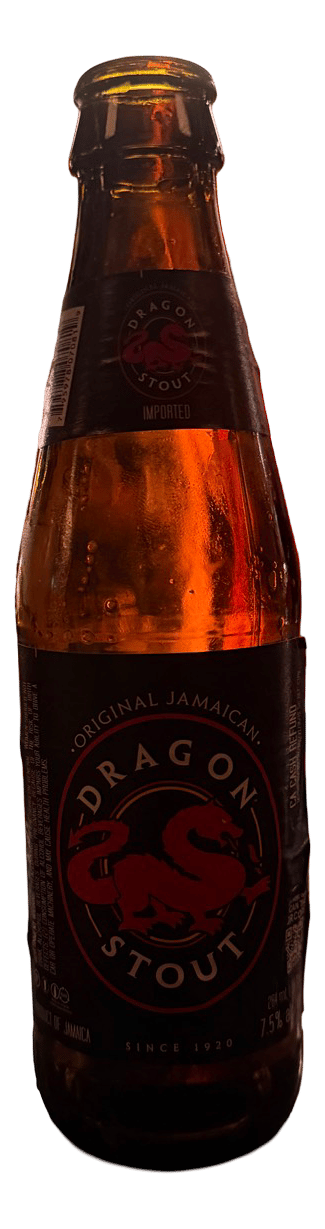
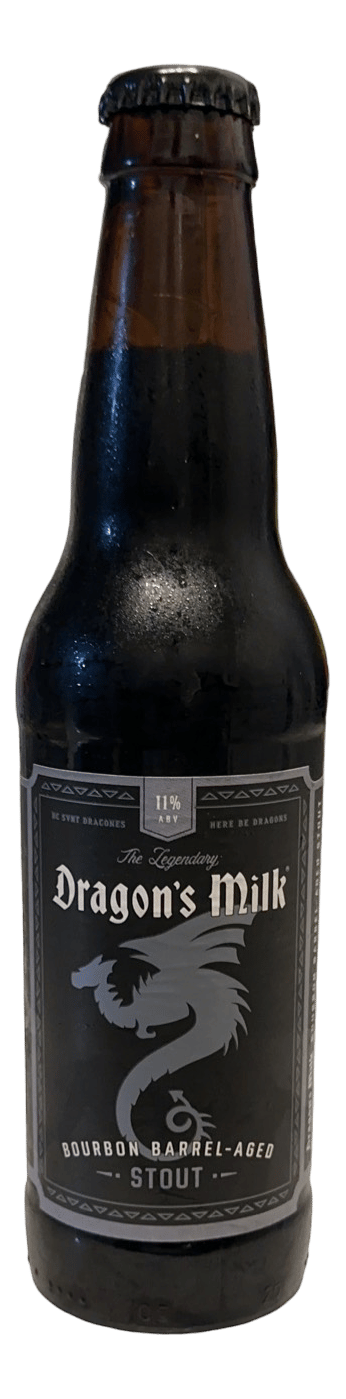
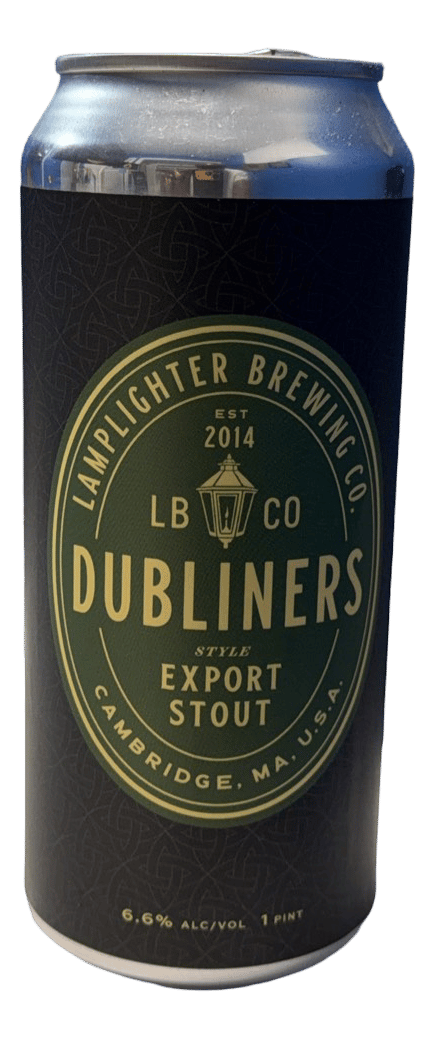
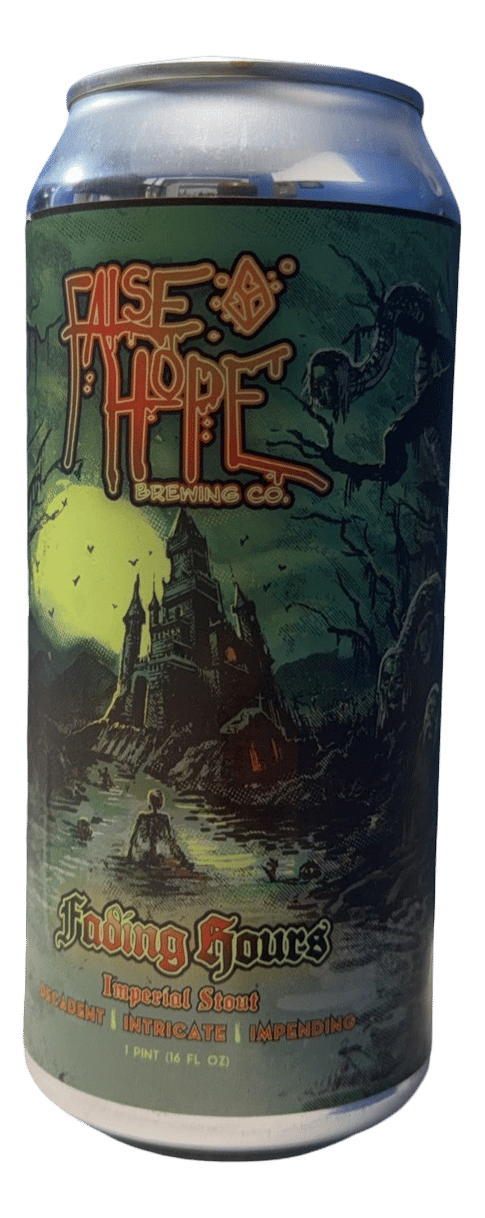
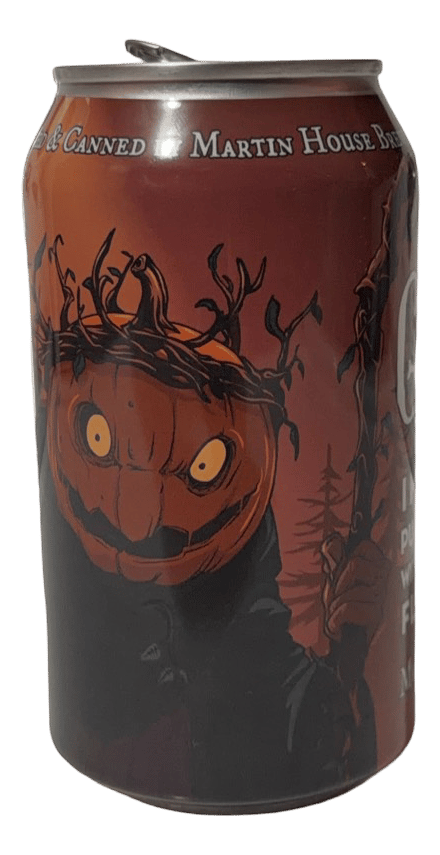
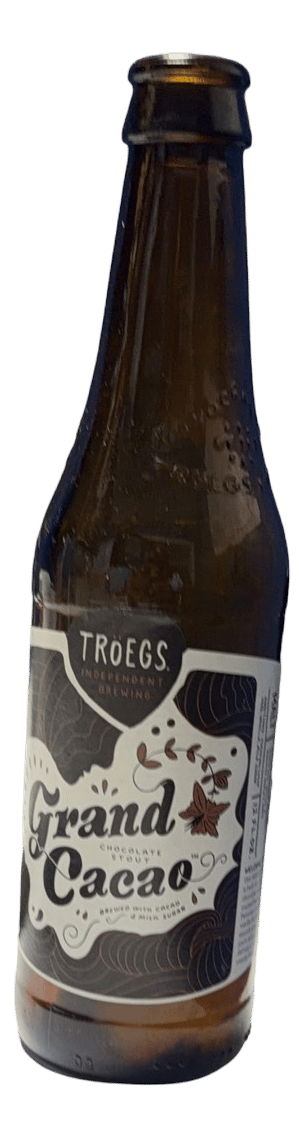
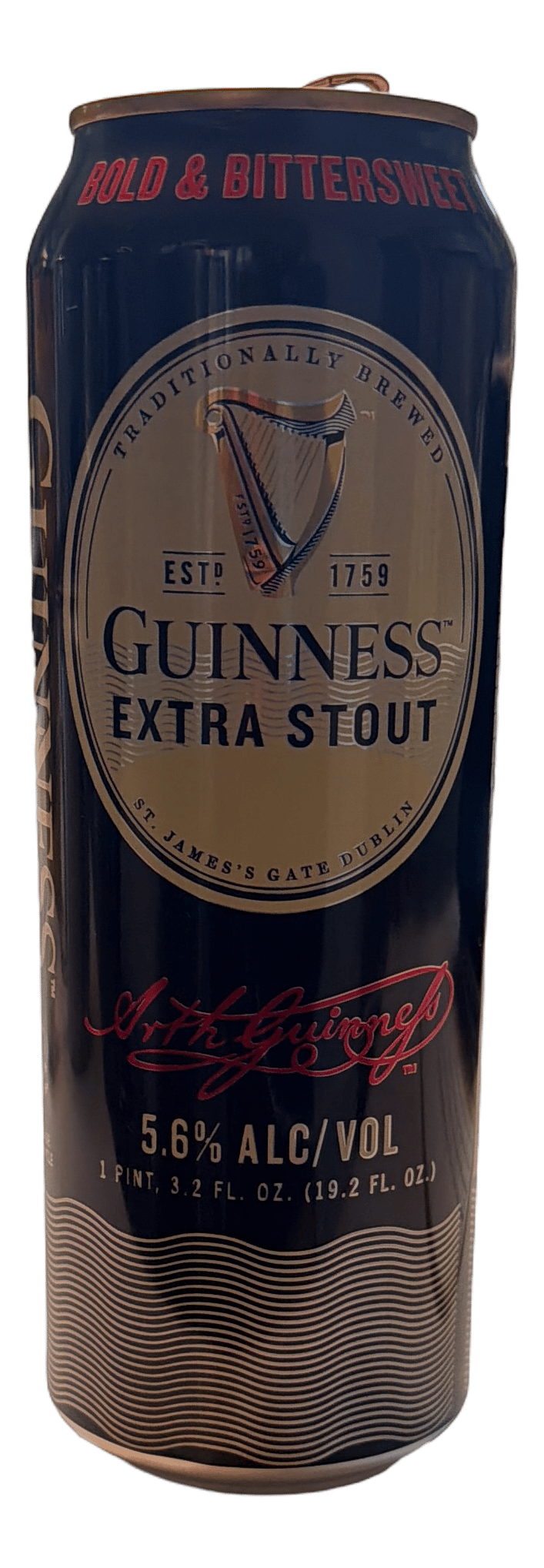
Styles within Stout
Each with its region of origin.
American Stout
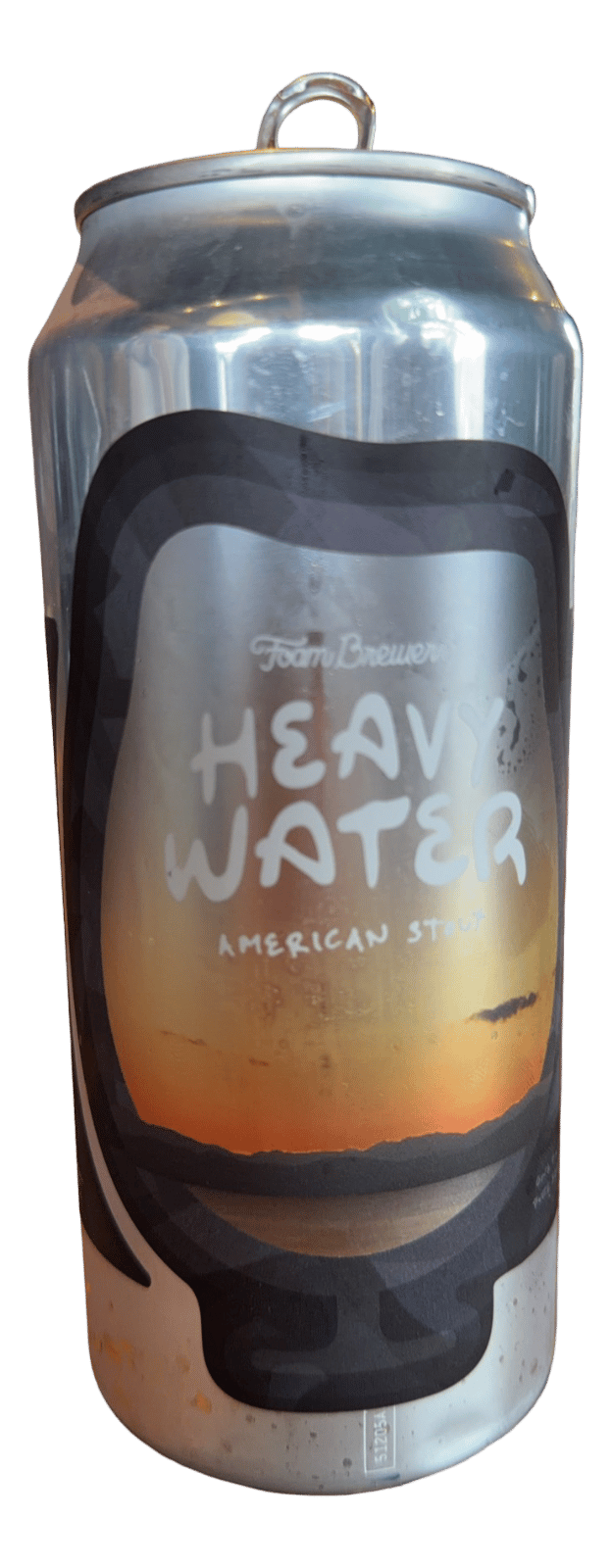
Roast, coffee and chocolate with a real hop presence, black at 5.7–8.0% ABV and 35–60 IBU. Ours is Foam Brewers' Heavy Water. Pair with grilled meats or chocolate desserts.
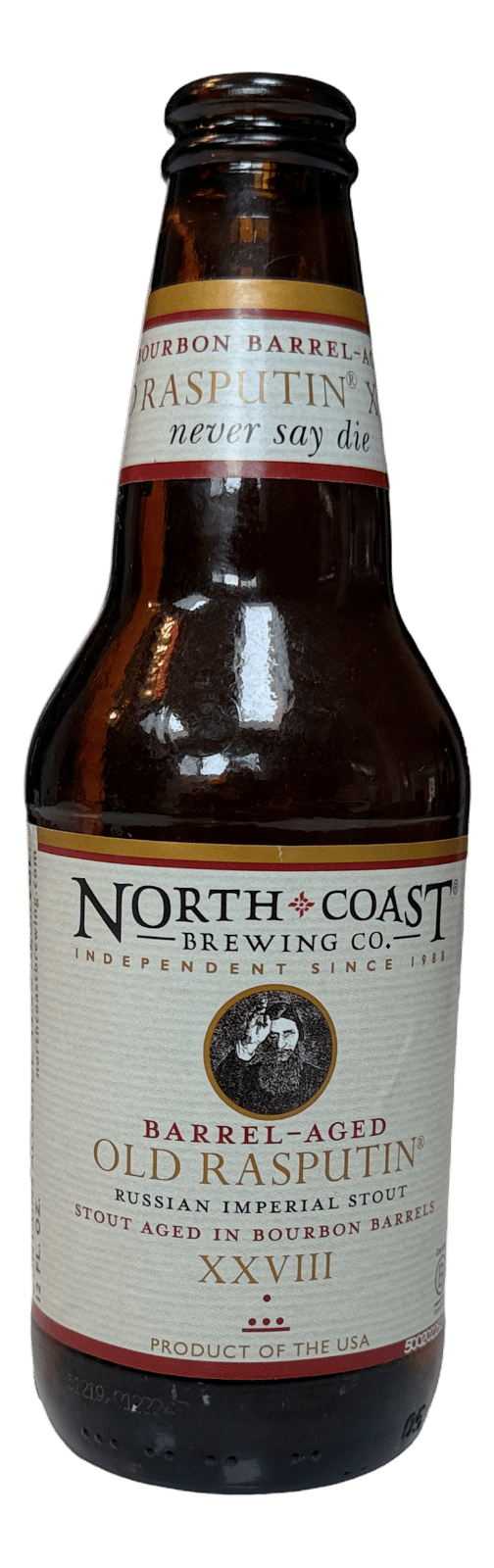
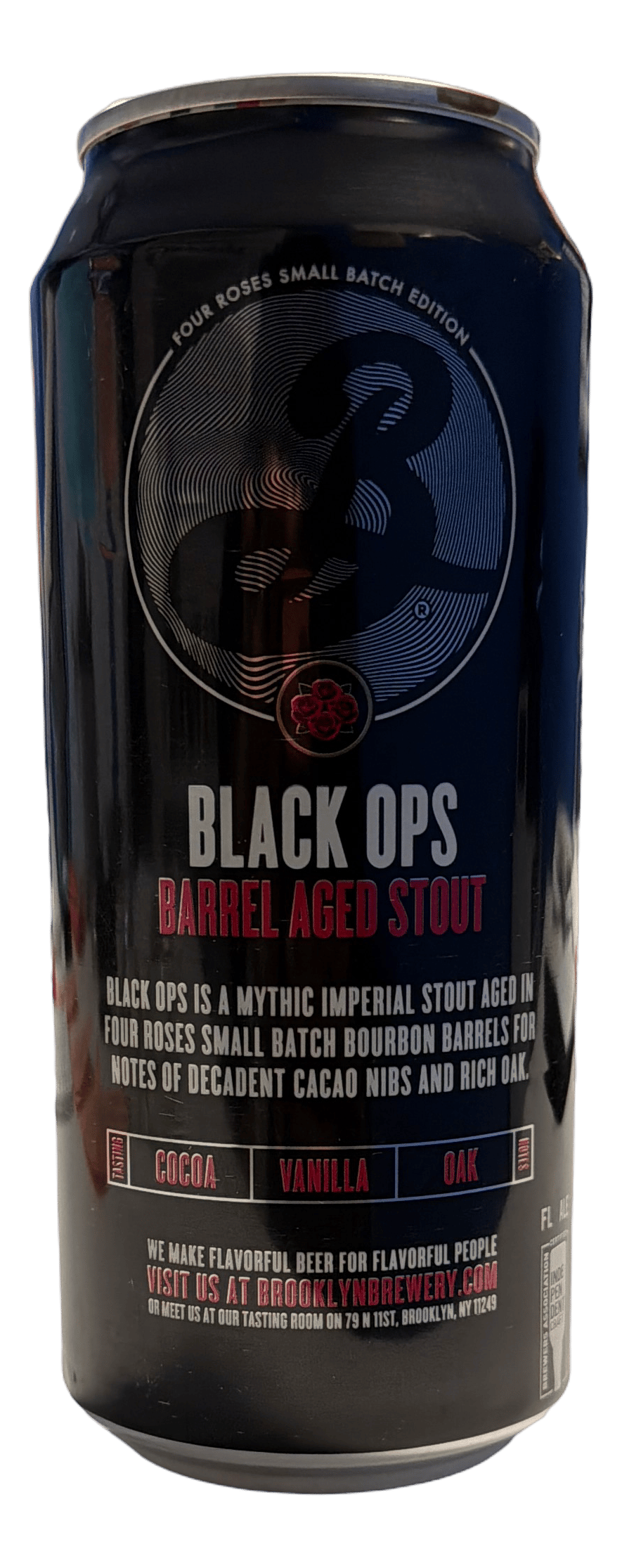
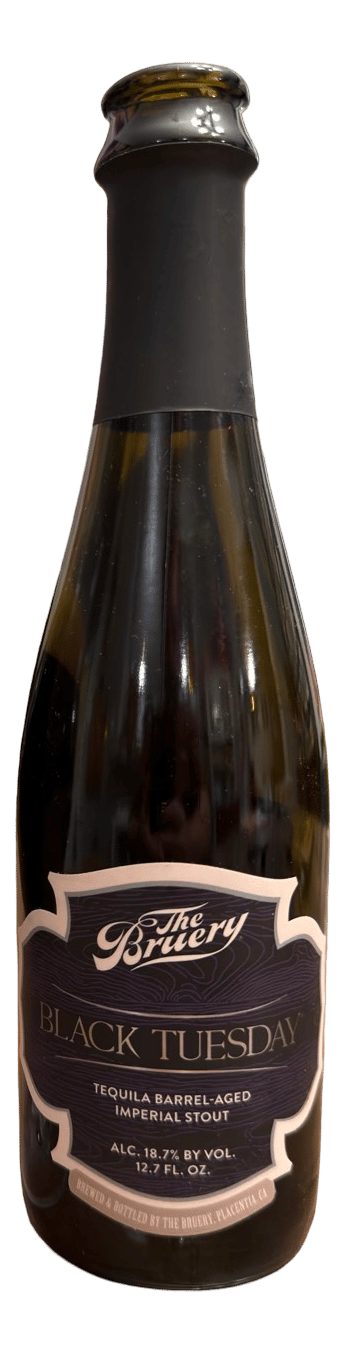
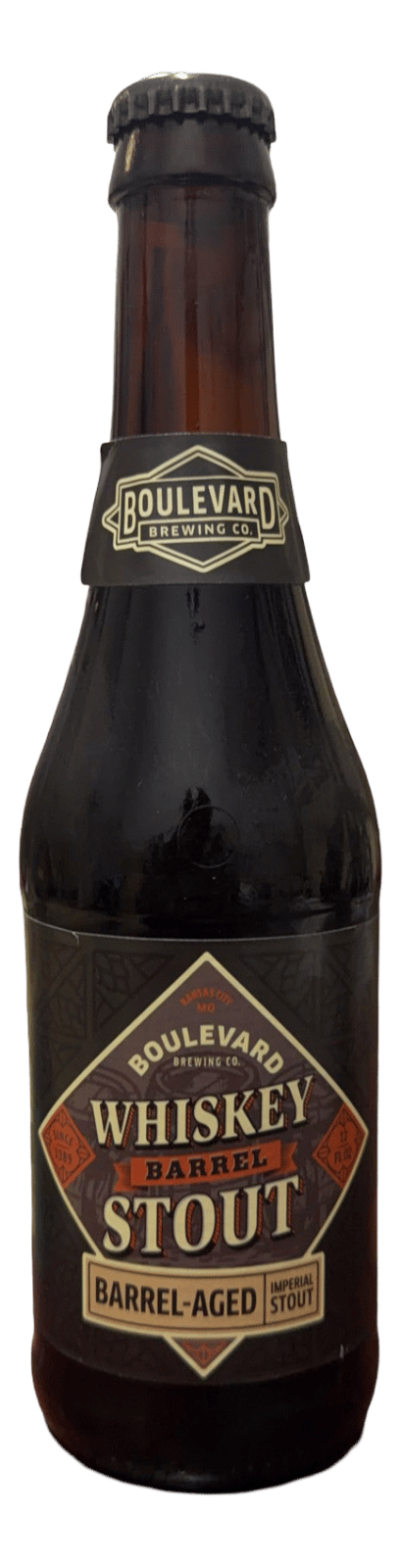
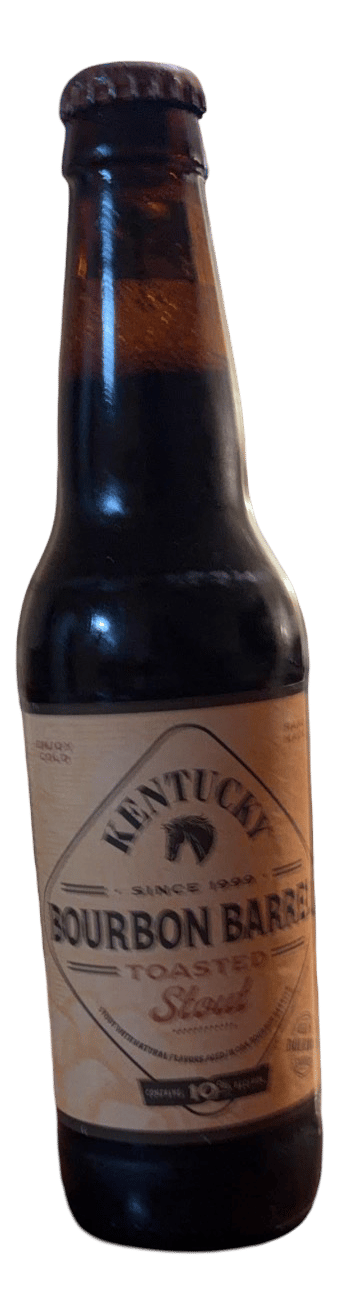
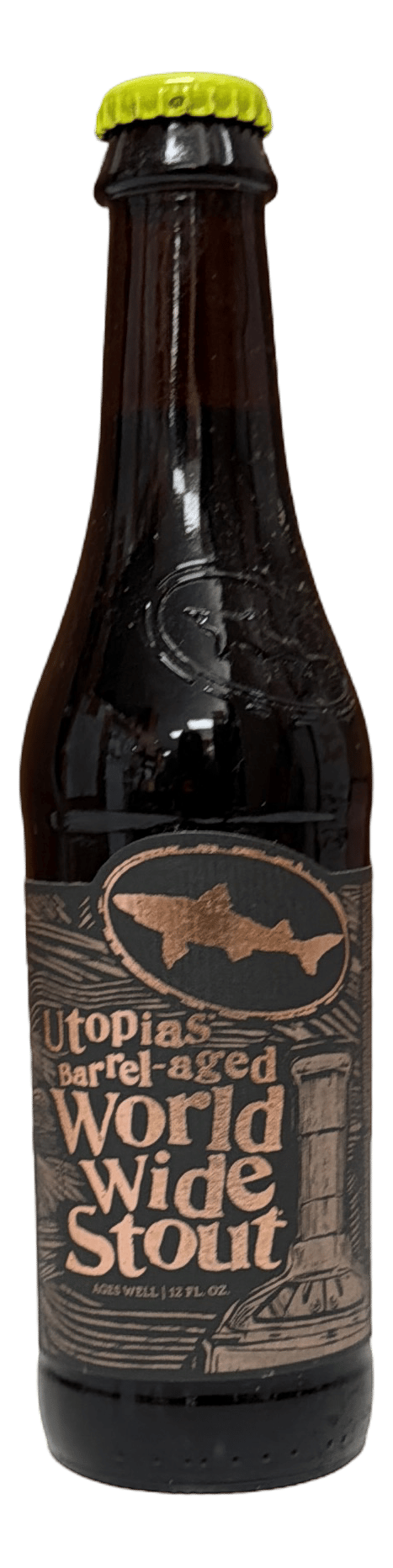
Barrel-Aged Stout
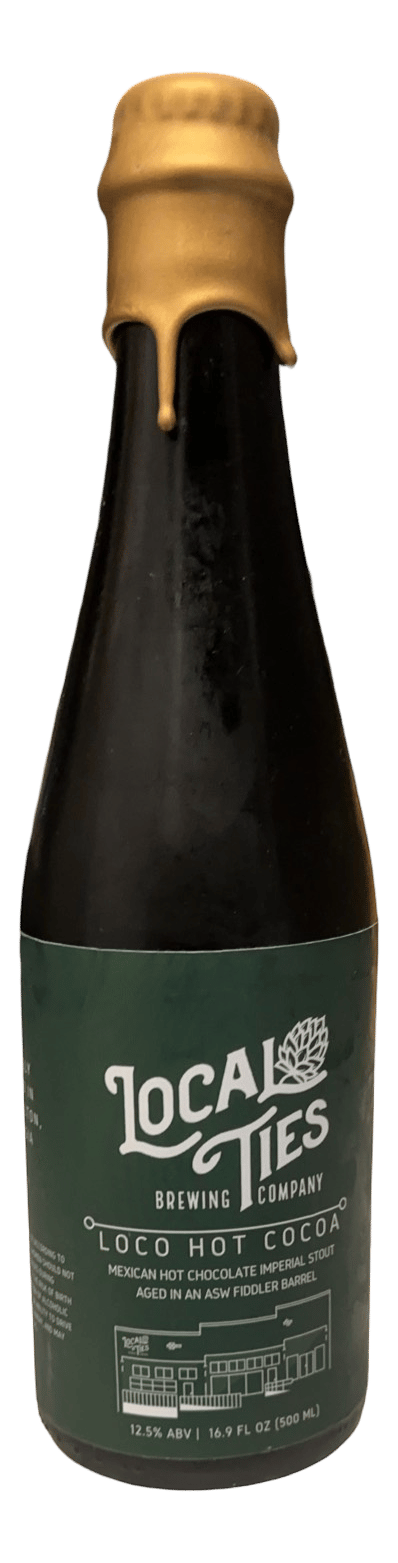
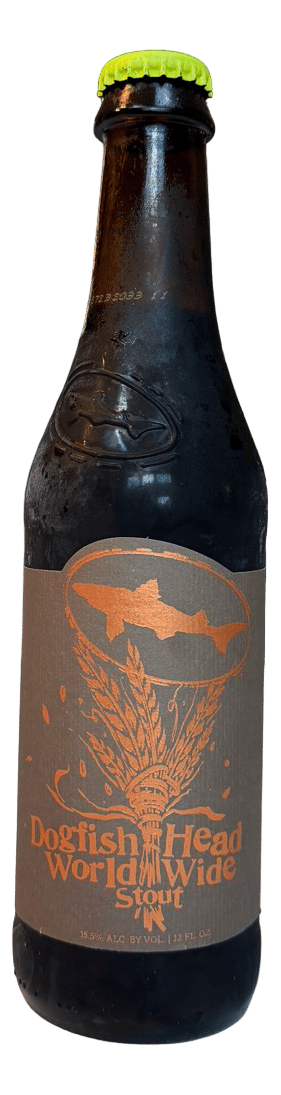
Stout aged in wood or barrels. The style guide files barrel-aged beers by the aging, with colour and strength following the base. Ours run from 10% (Kentucky Bourbon Barrel Toasted Stout) to 17.3% (Dogfish Head's Utopias Barrel-Aged World Wide Stout).
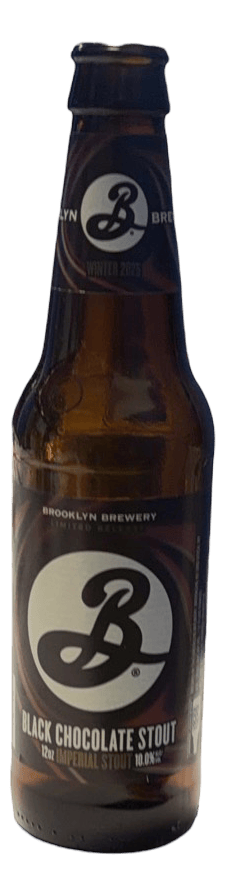
Chocolate Stout
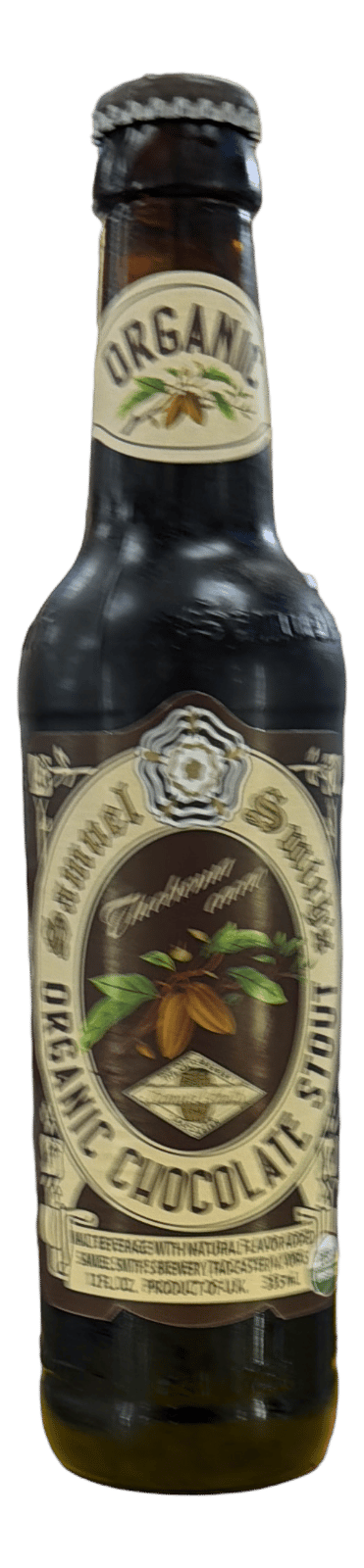
Stout with chocolate in its name. The style guide files chocolate and cocoa as additions to a base beer, and stouts carry chocolate notes from their own roast. Ours run from Samuel Smith's Organic Chocolate Stout at 5% to Brooklyn's Black Chocolate Stout at 10%.
Dry Stout
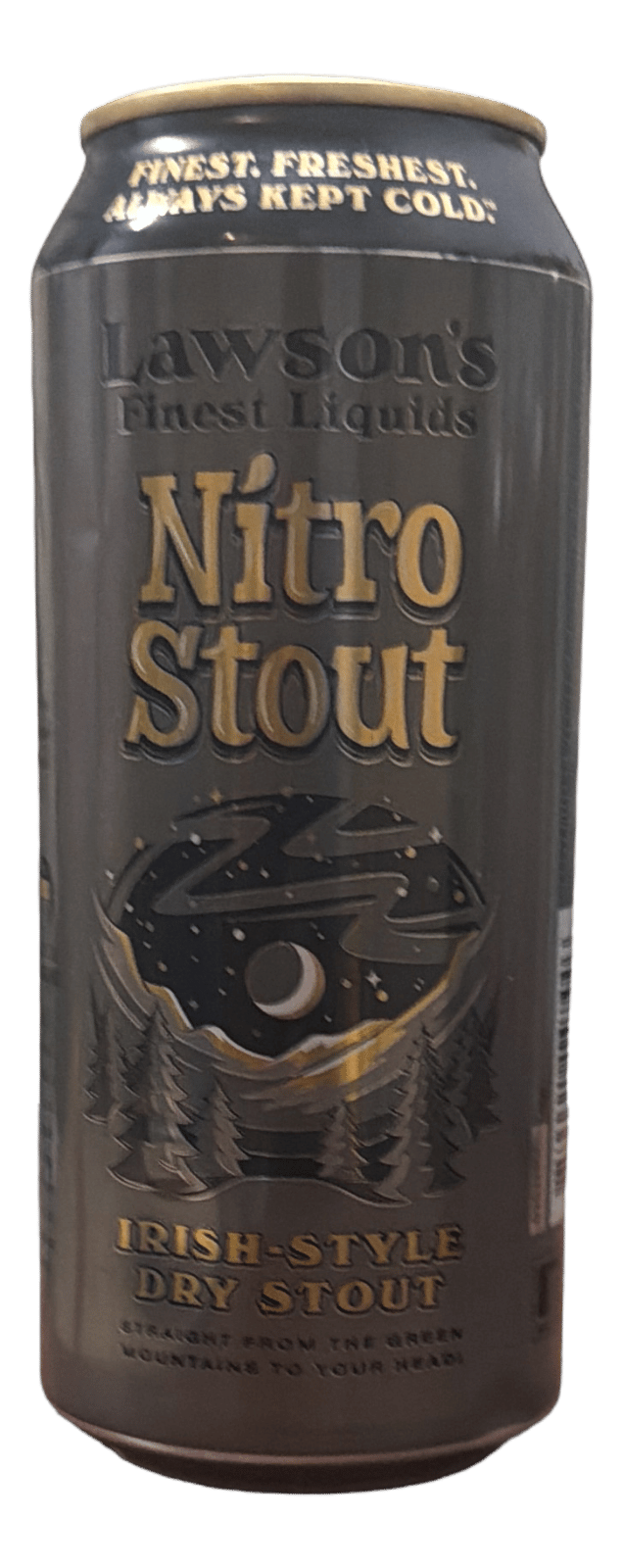
IrelandGuinness's template. Dark, roasty, surprisingly low in ABV (~4%), creamy from nitro pour, with a dry coffee finish. Irish stouts prioritize drinkability over weight—sessionable despite the intimidating color.
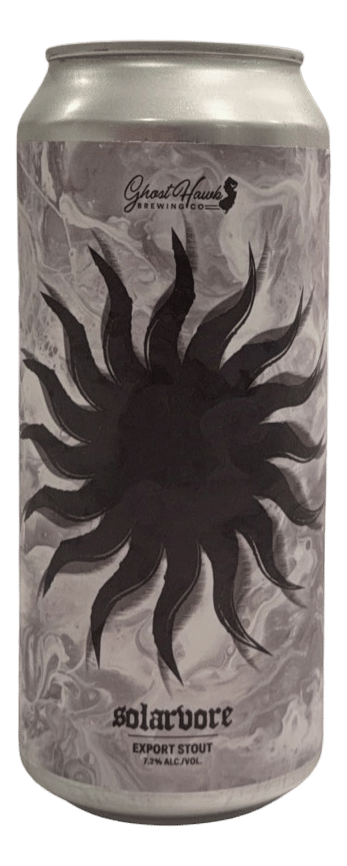
Export Stout
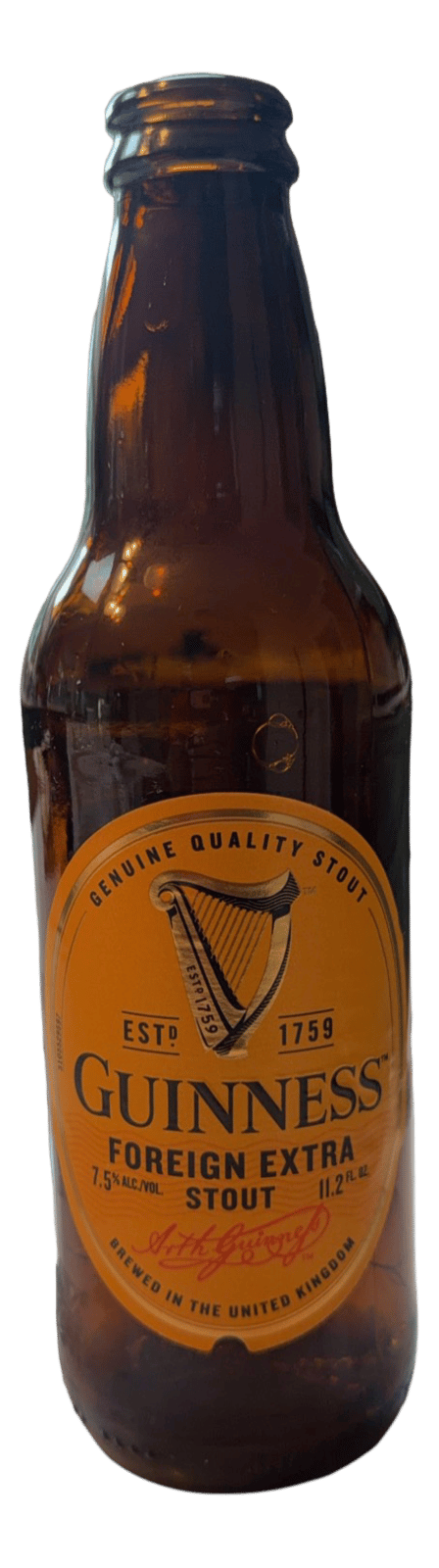
The style guide's export-style stout is Irish in origin: black, 5.6–8.0% ABV and 30–60 IBU. Guinness Foreign Extra Stout files here at 7.5%, beside Lamplighter's Dubliners at 6.6%.
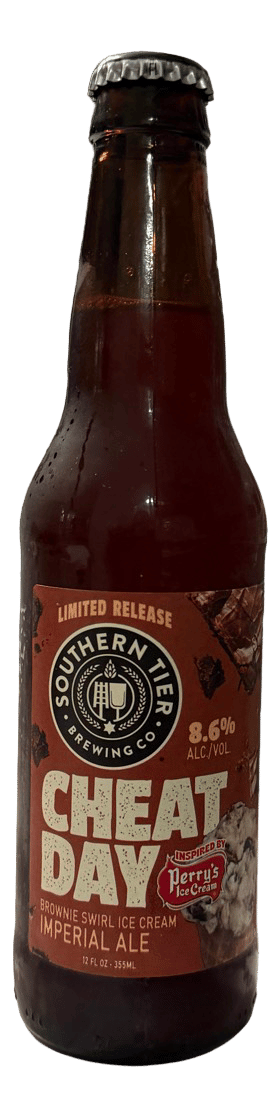
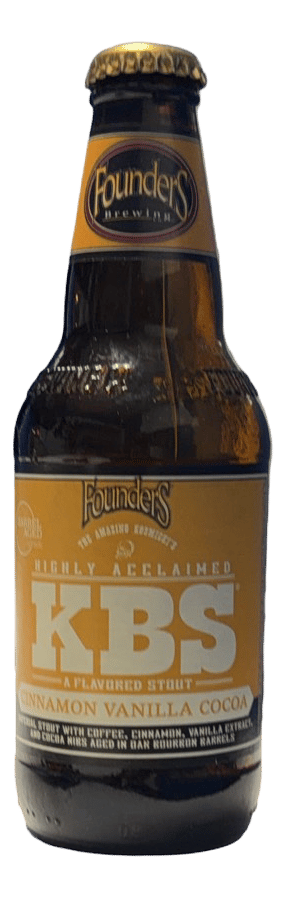
Flavored Stout
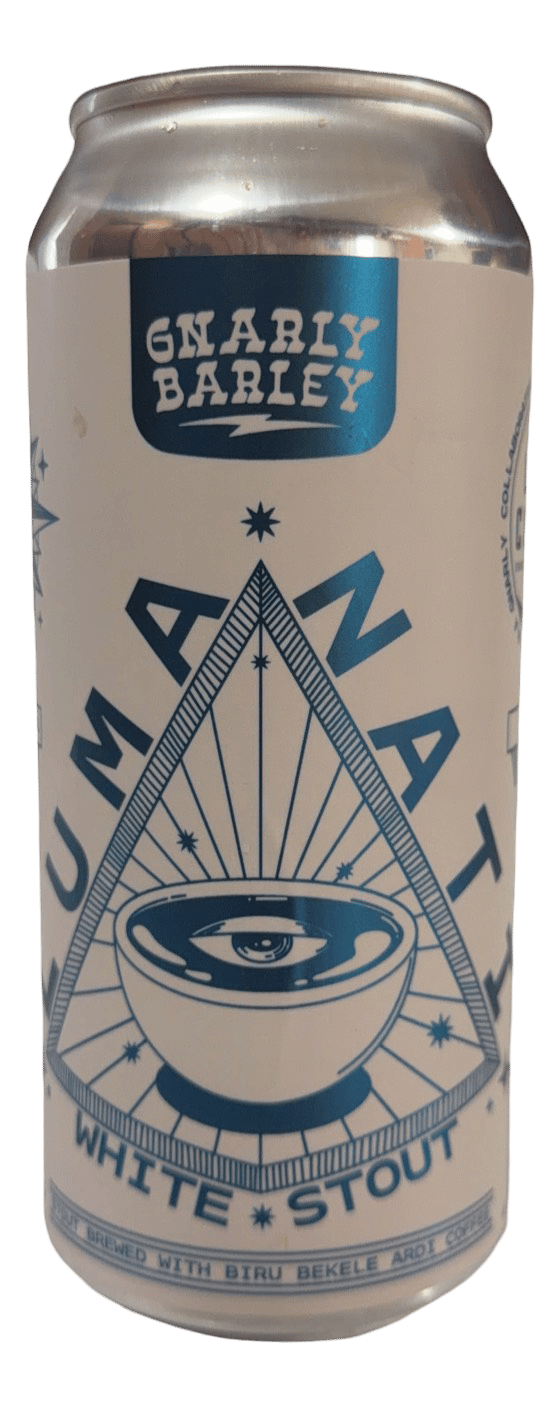
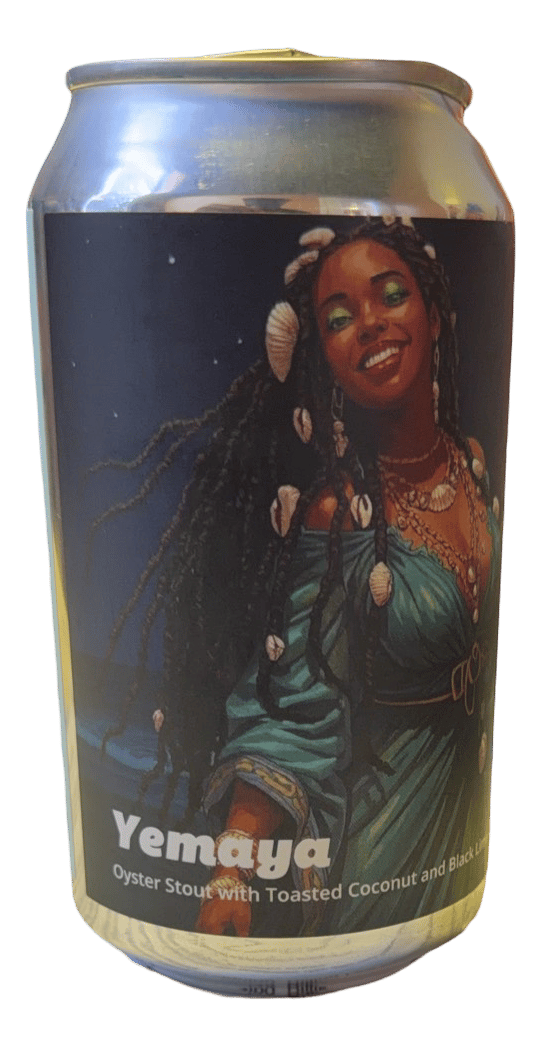
Stout with an added ingredient in the lead. The style guide treats coffee, chocolate or cocoa, and herbs and spices as additions that ride on the base beer. For the dessert-built, 7–13% ABV end, see Pastry Stout.
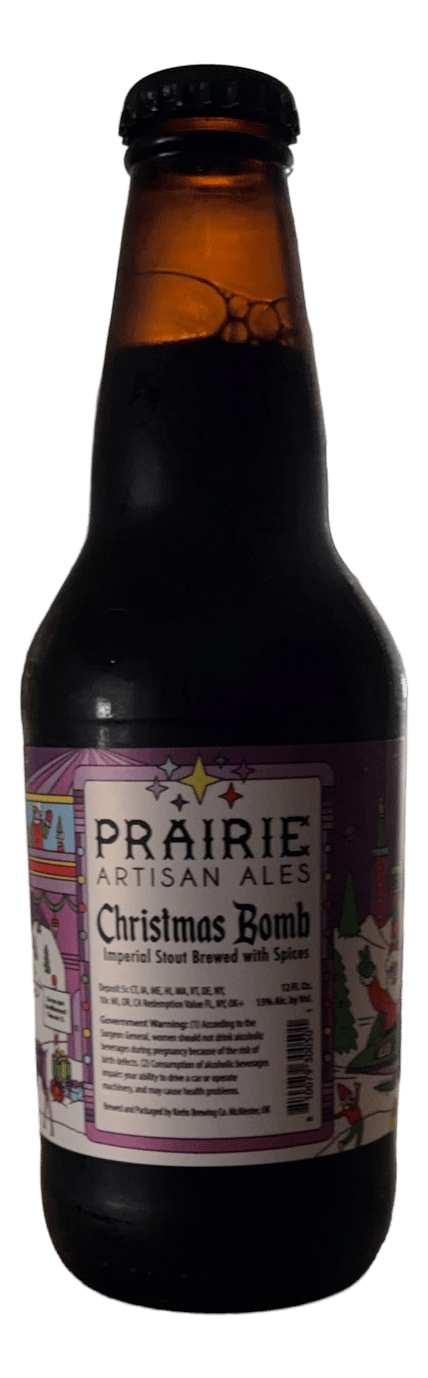
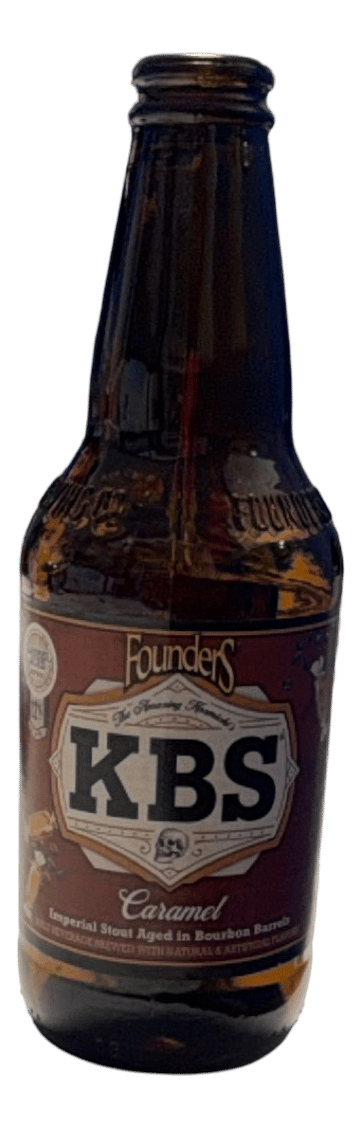
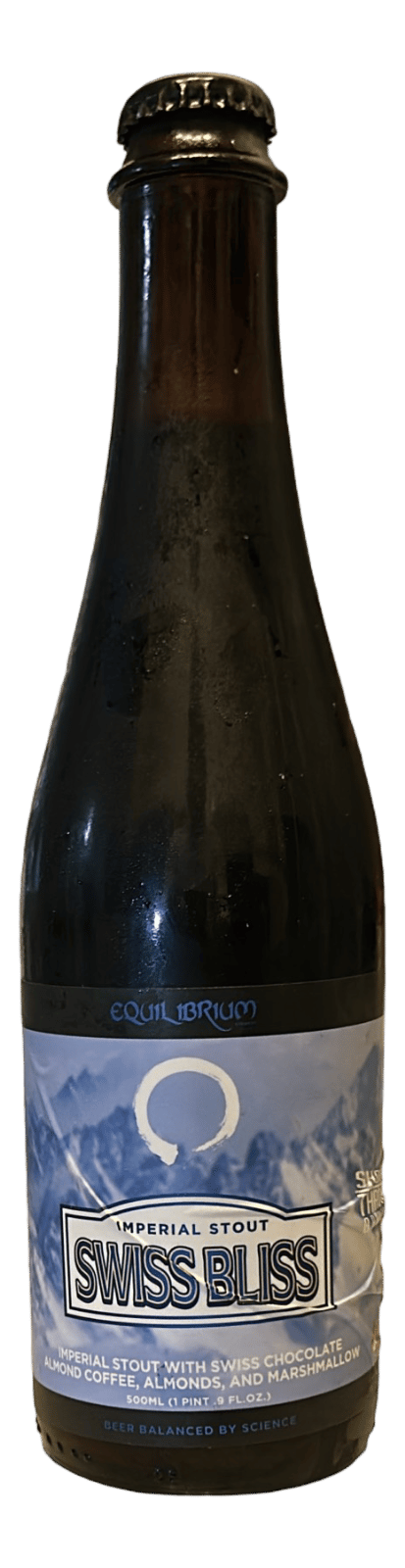
Imperial Stout
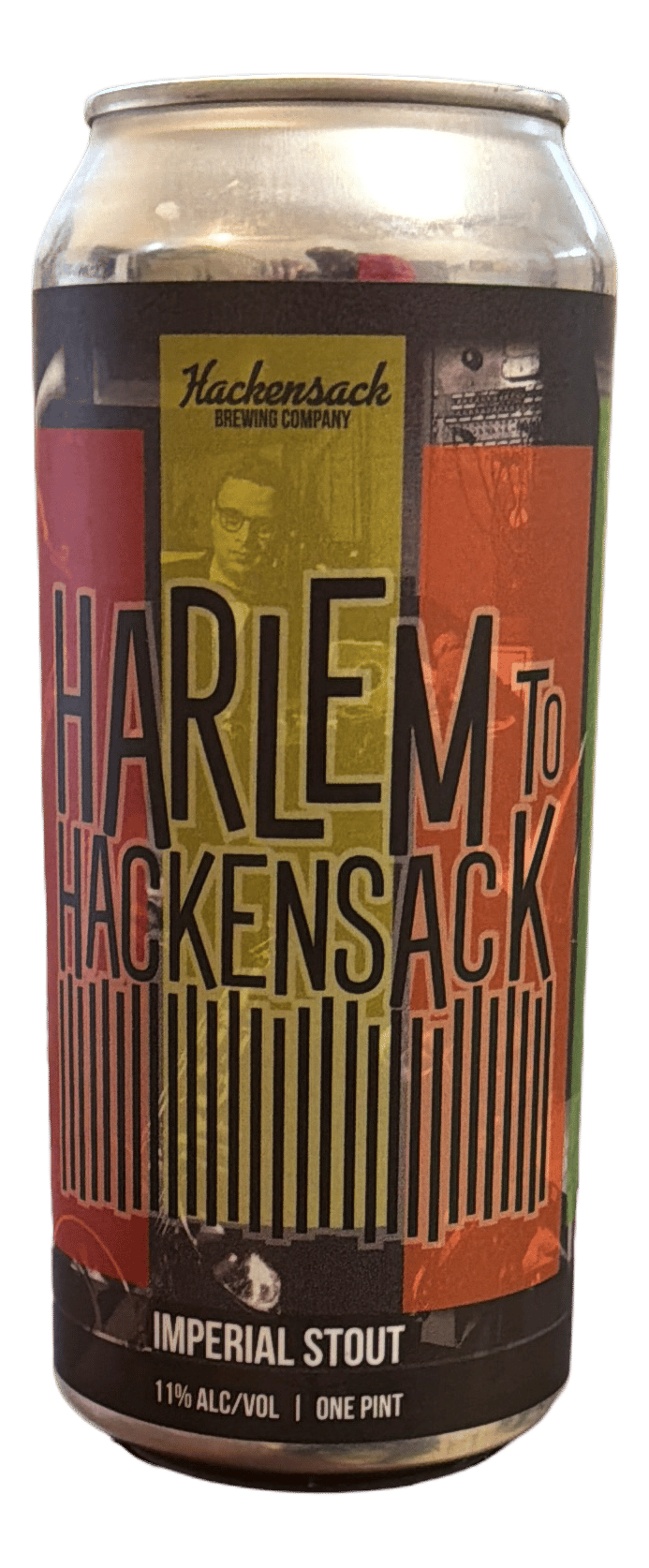
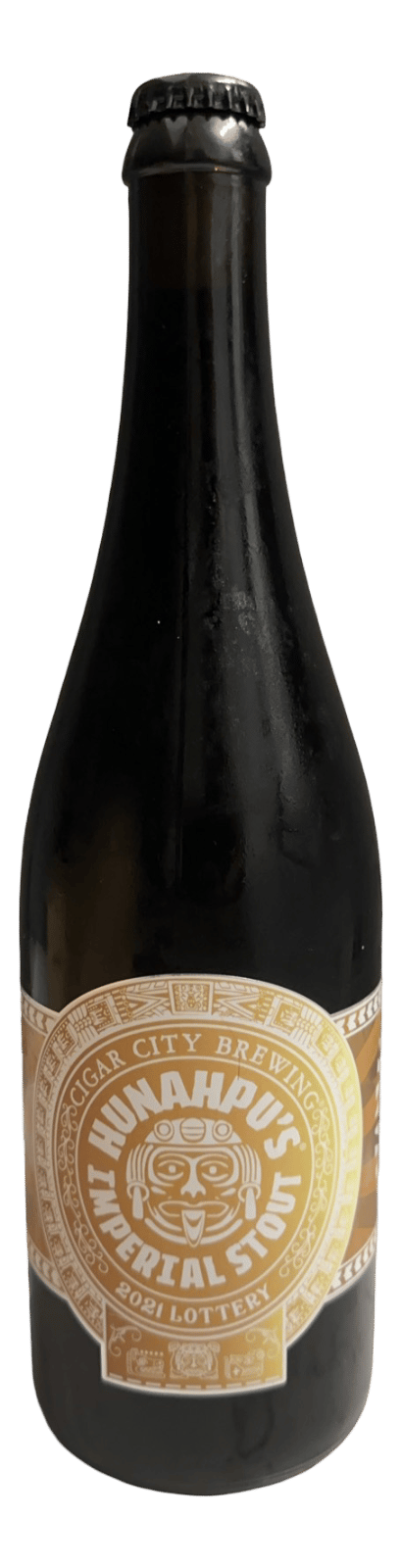
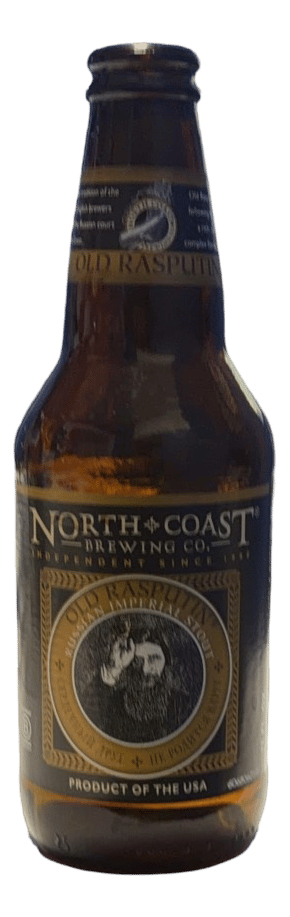
United KingdomStout with everything dialed up. Originally brewed in London for Catherine the Great's Russian court—hence Russian Imperial Stout. 8-12% ABV, massive roast, chocolate, coffee, sometimes barrel-aged. The Ferrari of dark beers.
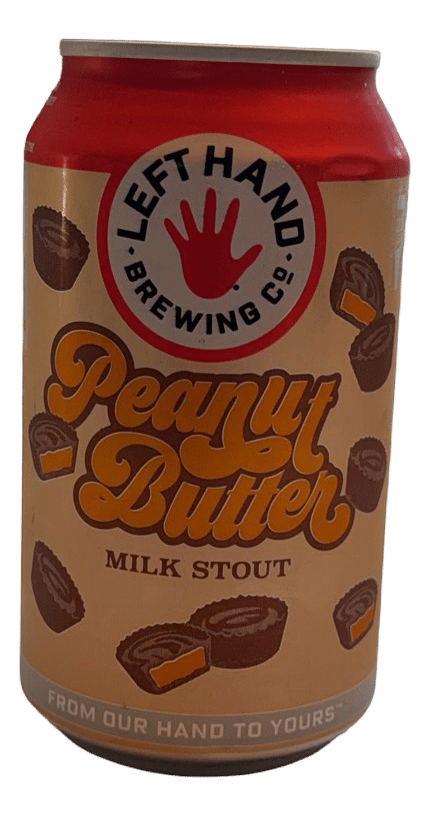
Milk / Sweet
United KingdomLactose is unfermentable by beer yeast, so it leaves residual sweetness and body. English milk stouts from the early 1900s used it for perceived nutritional value. Mackeson was the pioneer. Silky, sweet, chocolatey—perfect with dessert.
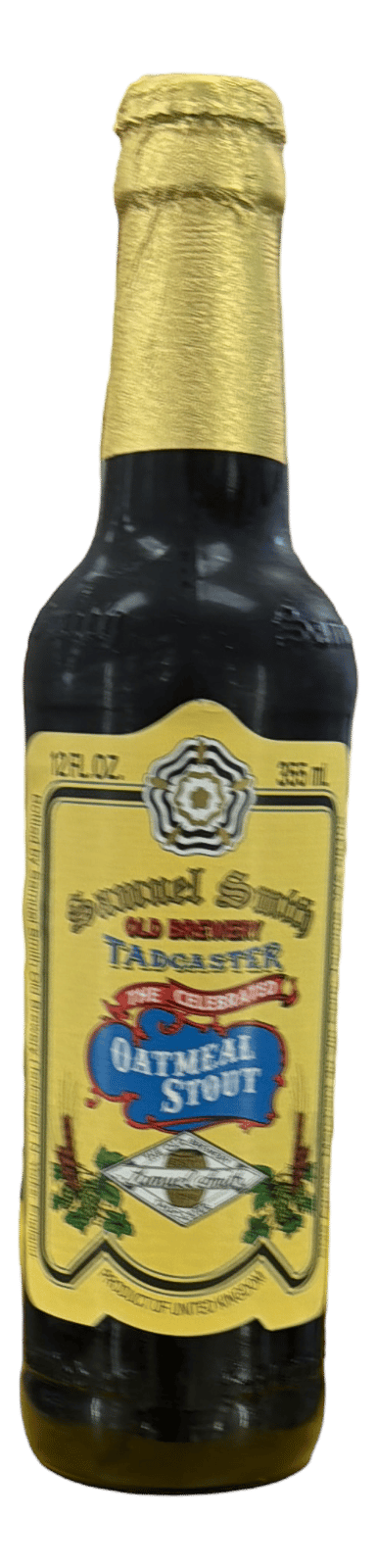
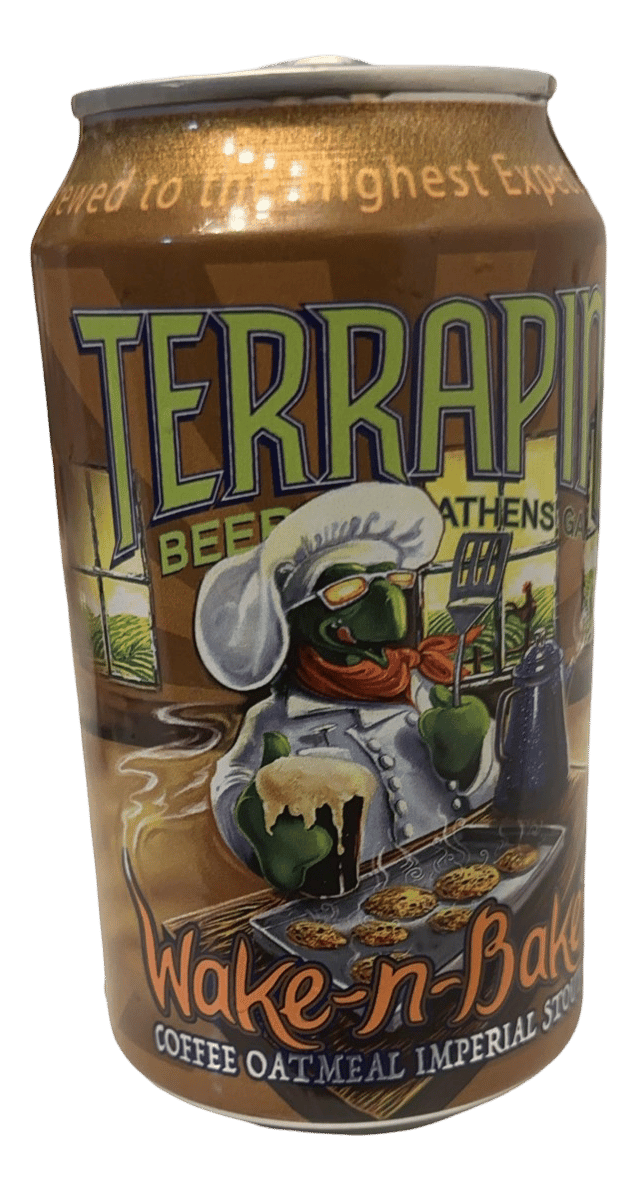
Oatmeal Stout
United KingdomOats add silkiness, body, and a subtle grain sweetness without overpowering the roasted malt. Revived in the 1980s by Samuel Smith's. Smoother than dry stout, less sweet than milk stout—the balanced middle ground.
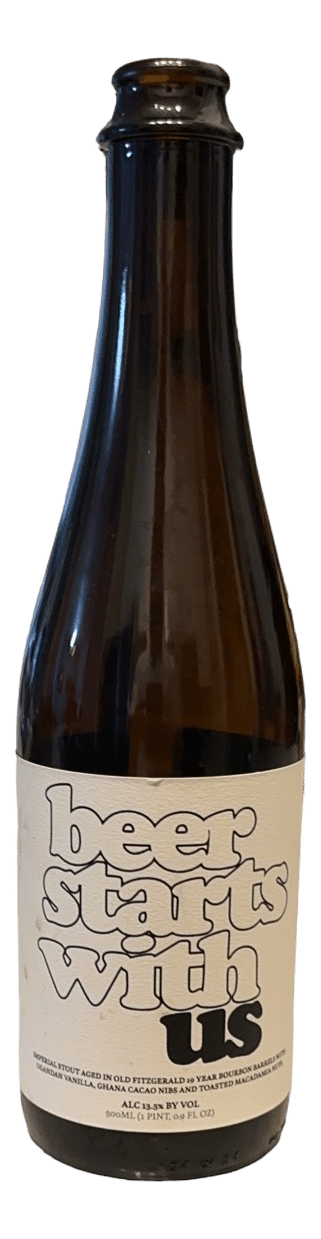
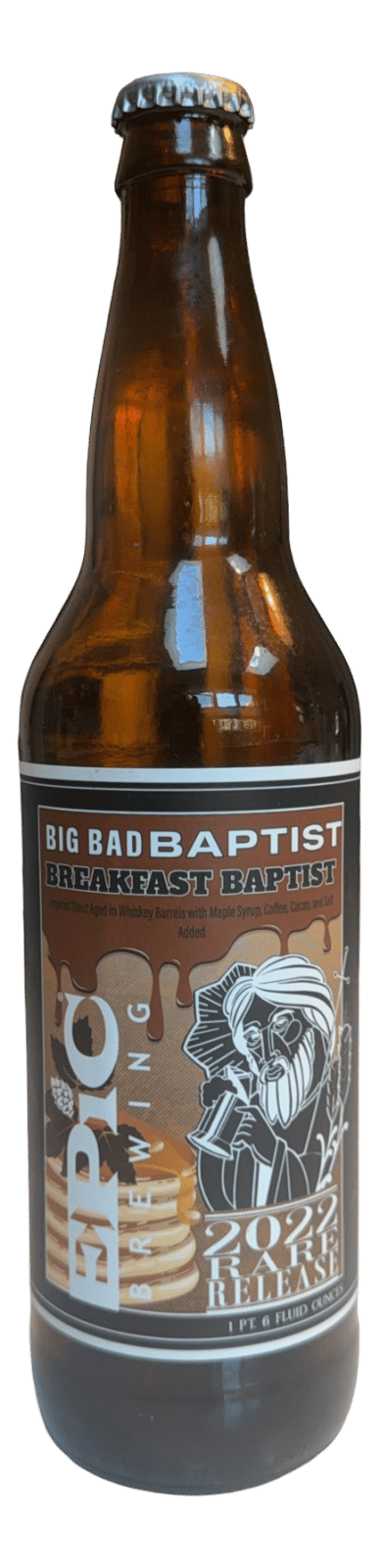
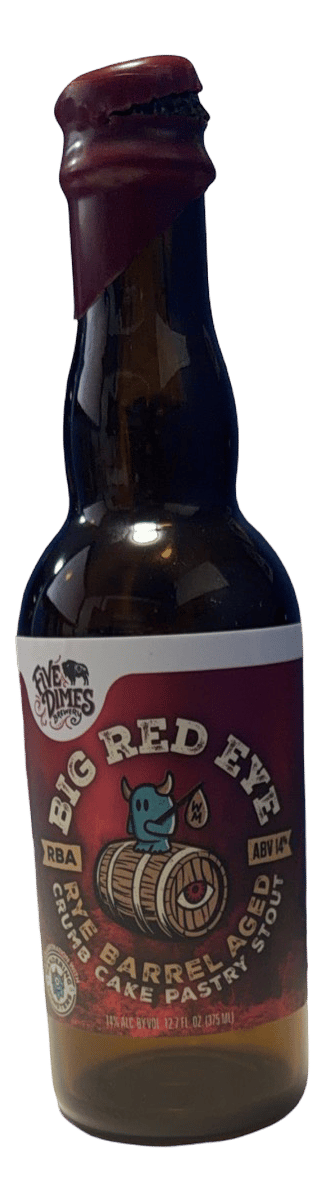
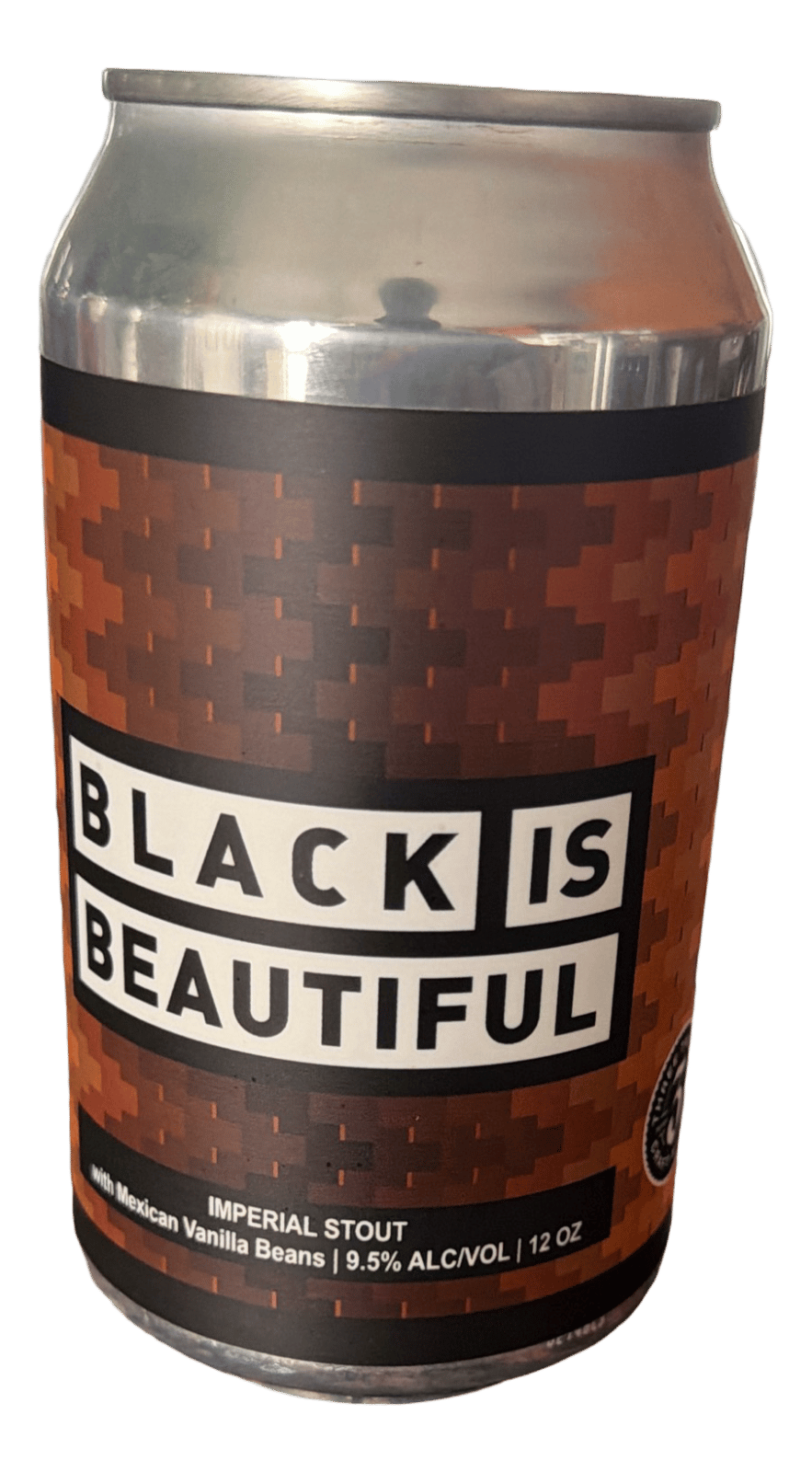
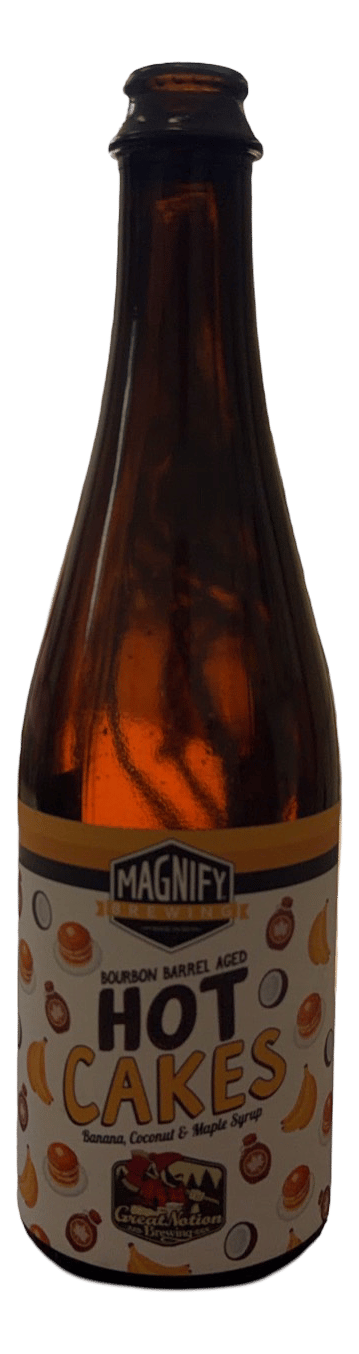
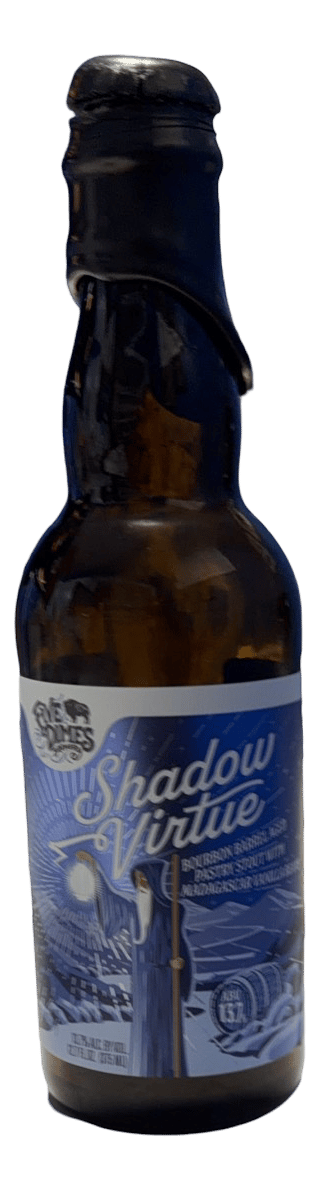
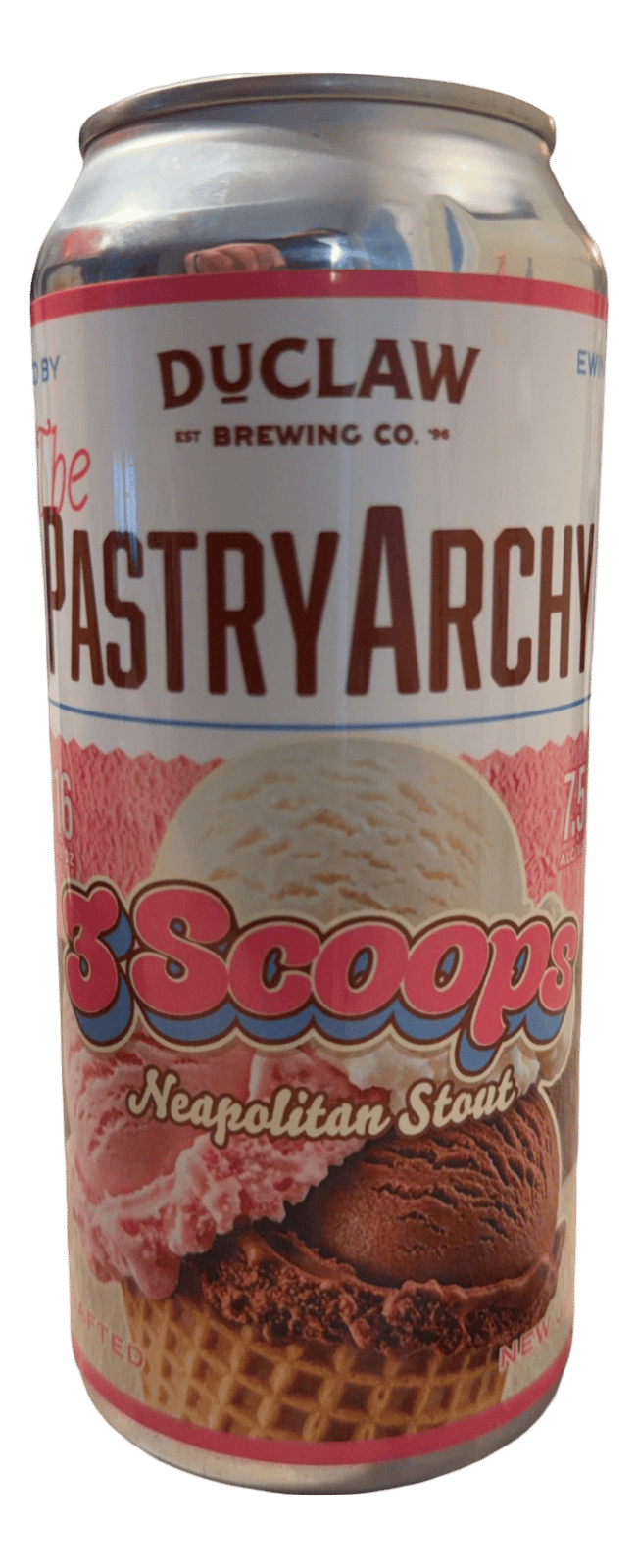
Pastry Stout
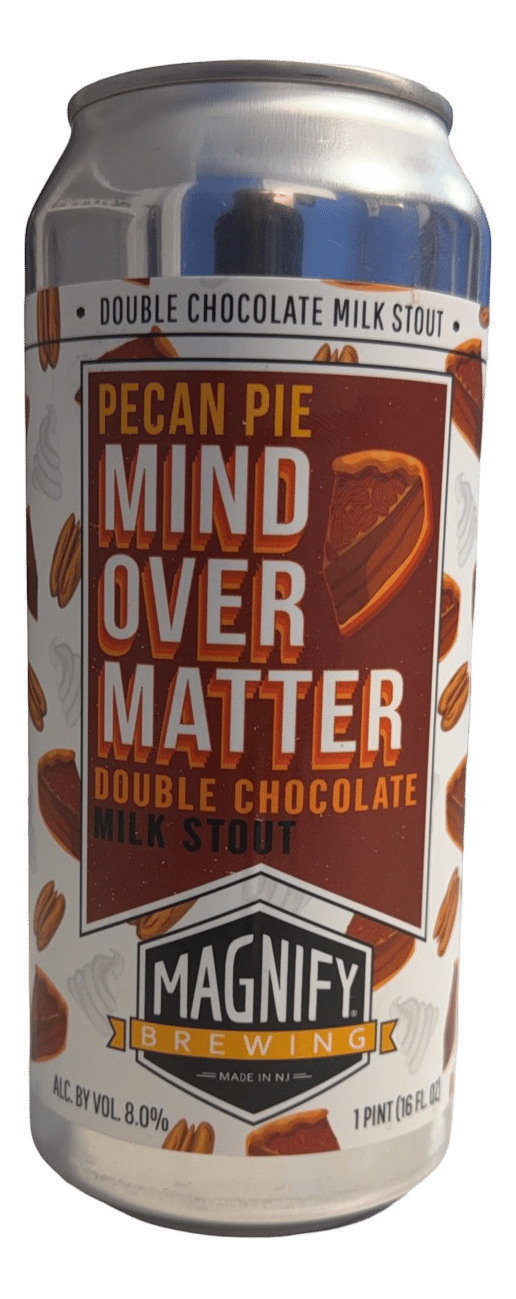
USAImperial stout loaded with adjuncts—vanilla, cocoa, marshmallow, maple, peanut butter. Polarizing, theatrical, Instagram-ready. When done well, it's genuinely decadent. When done poorly, it tastes like syrup. Handle with care.