Lager
Cold-fermented, clean, and crisp—patience in liquid form.
The beer that conquered the world through patience and precision. Lagers ferment cold and slow, producing a clean, crisp profile that lets quality ingredients shine without distraction. From light sessionables to rich dunkels, this is brewing's masterclass in restraint.
19 styles · Best in a Pilsner
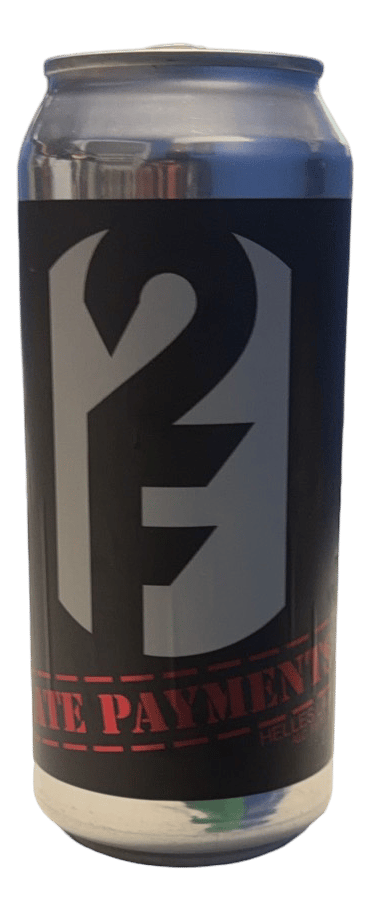
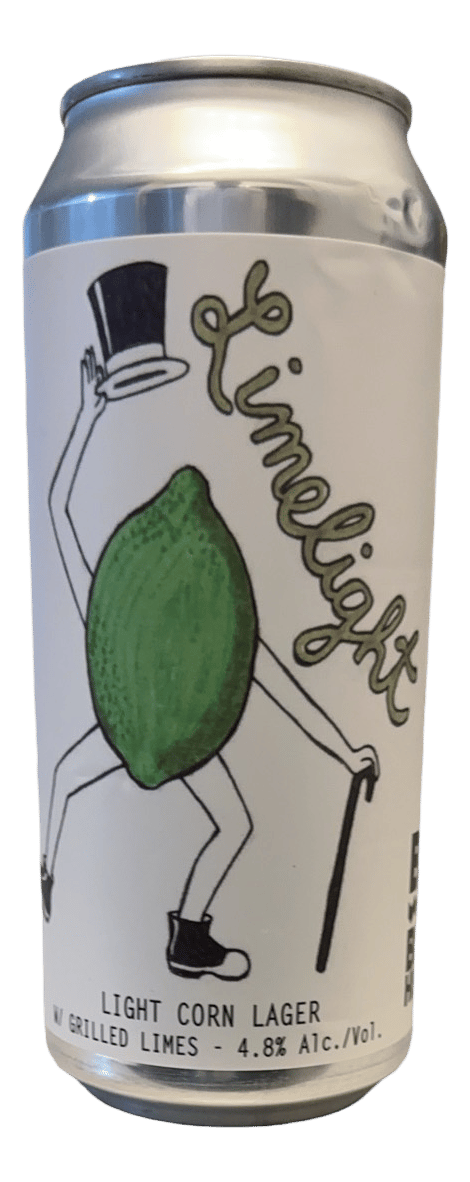
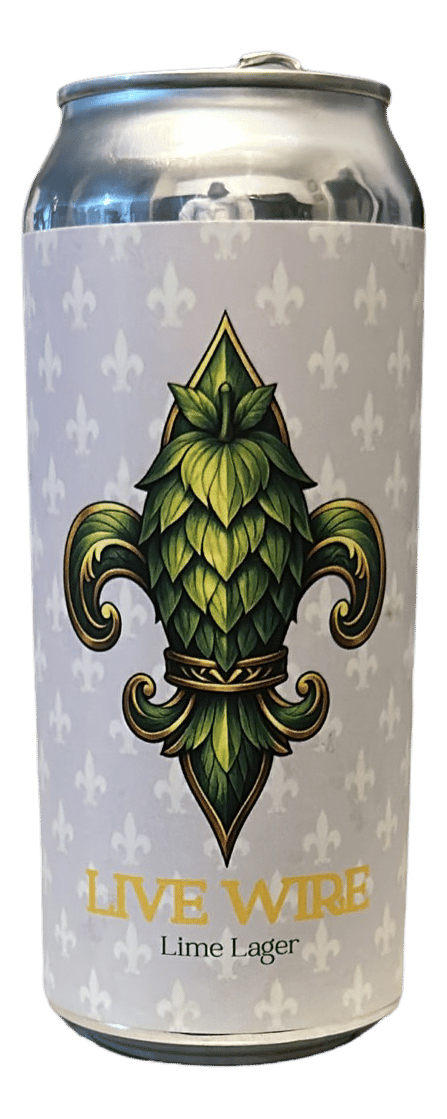
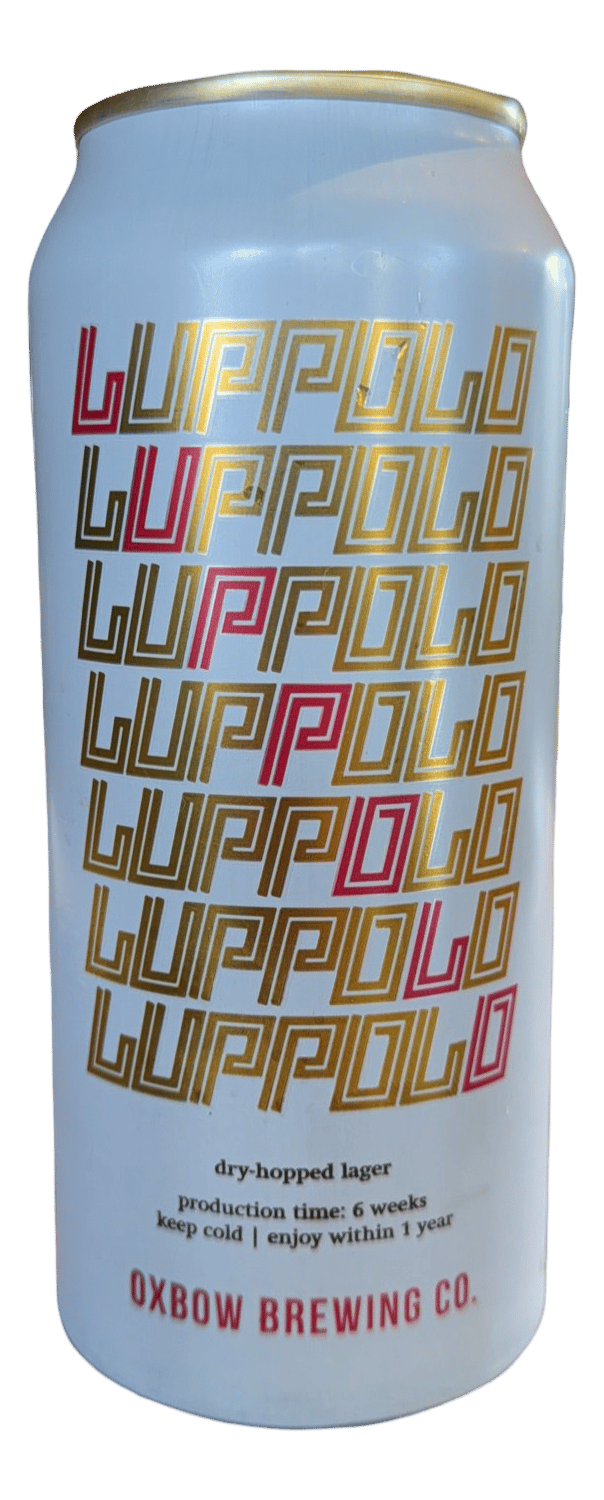
72 Lager beers in BREWTANICA™, each one read from a real label.
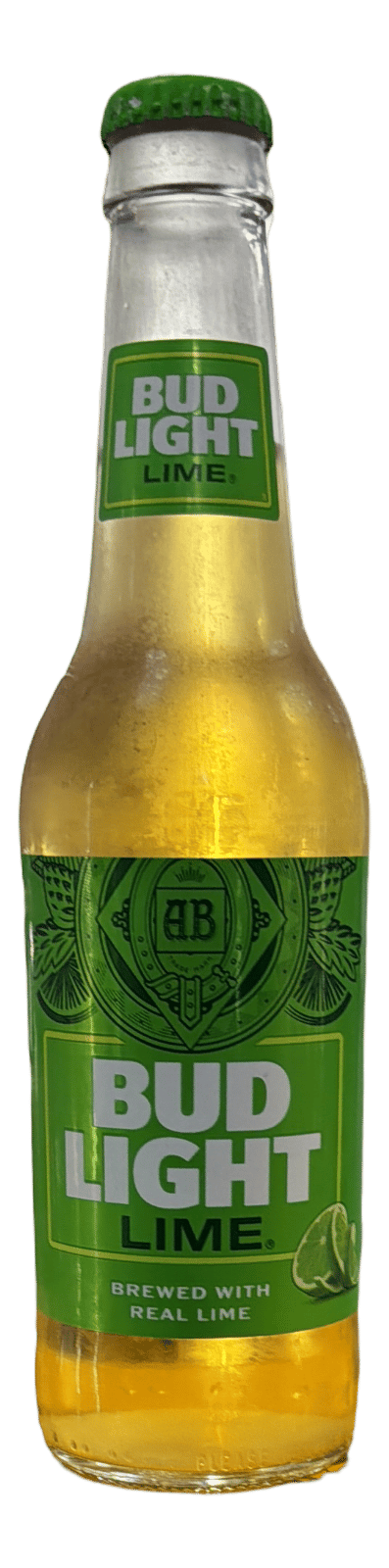
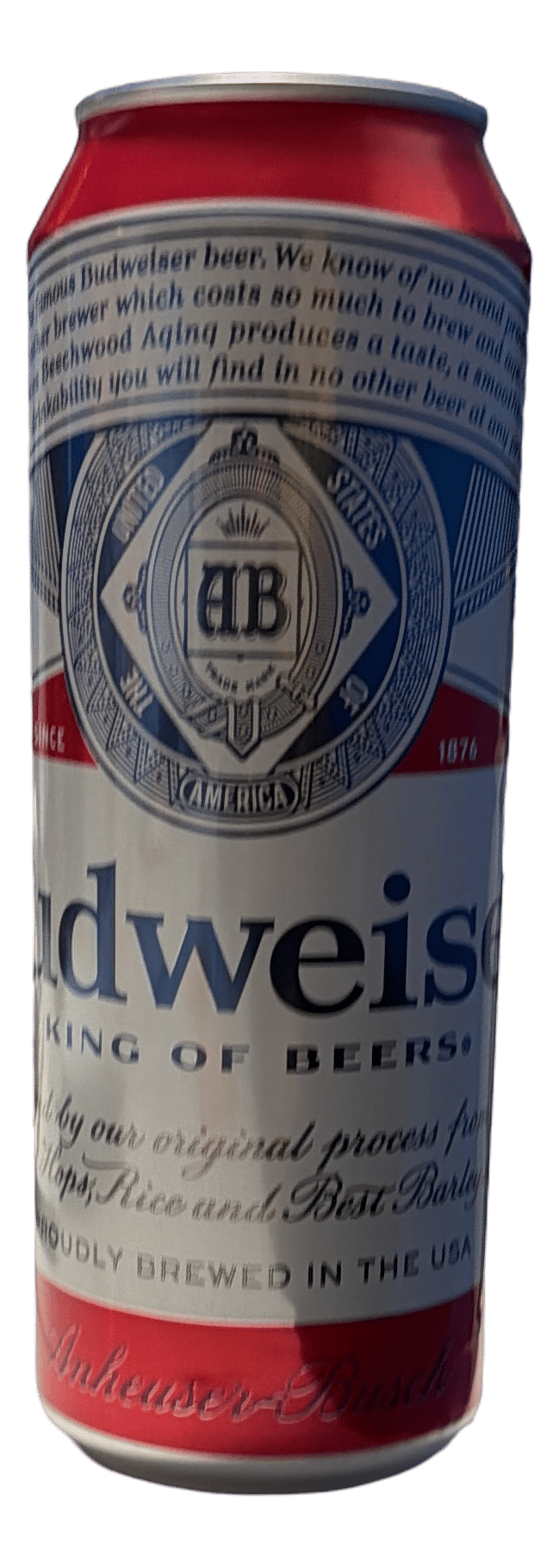
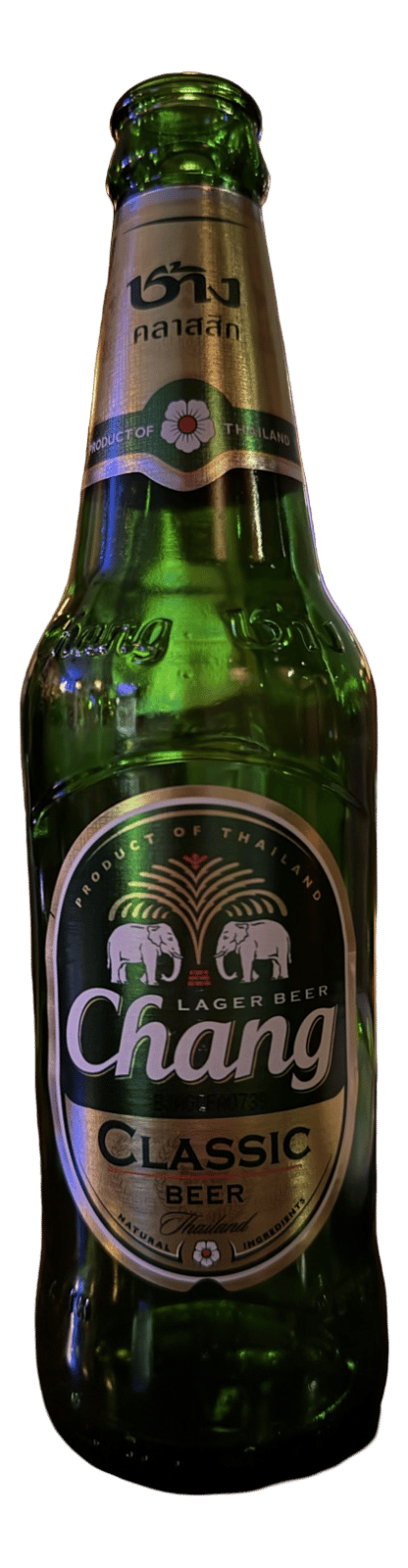
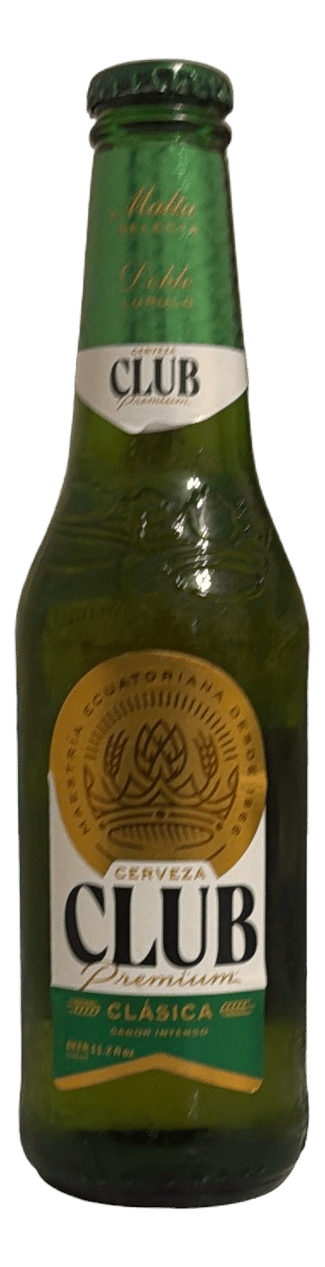
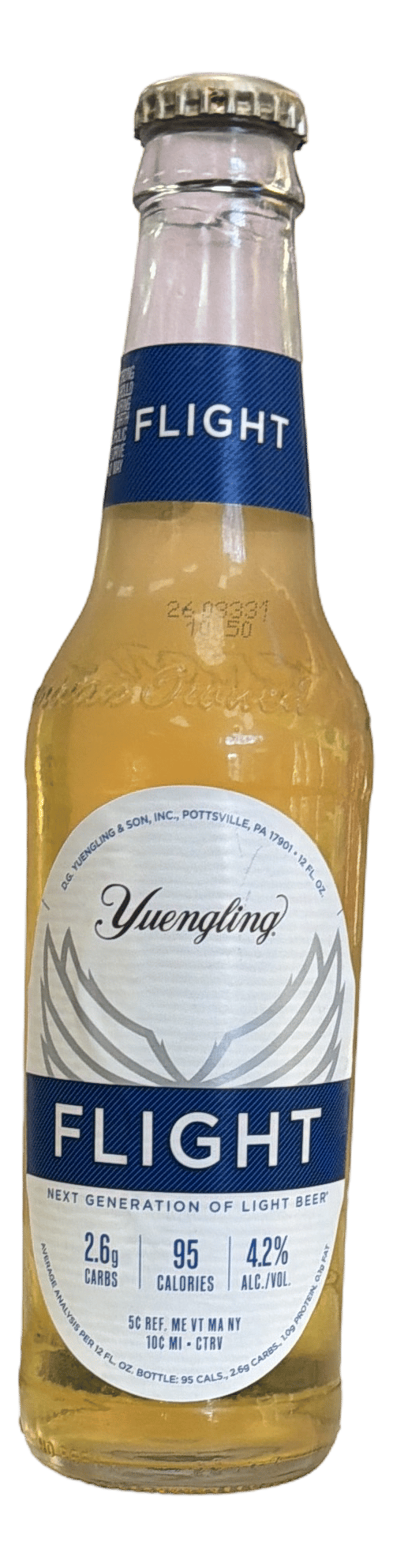
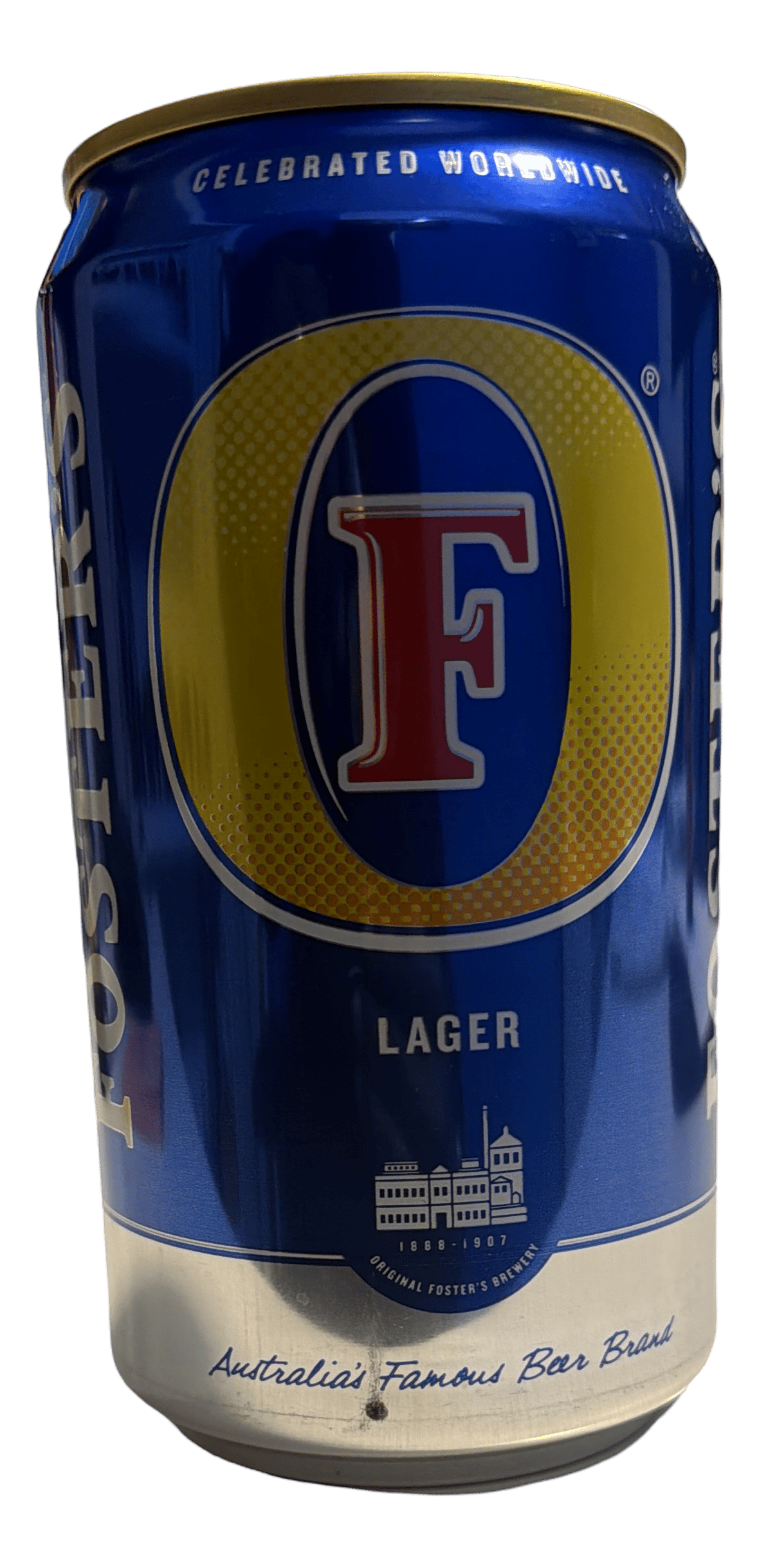
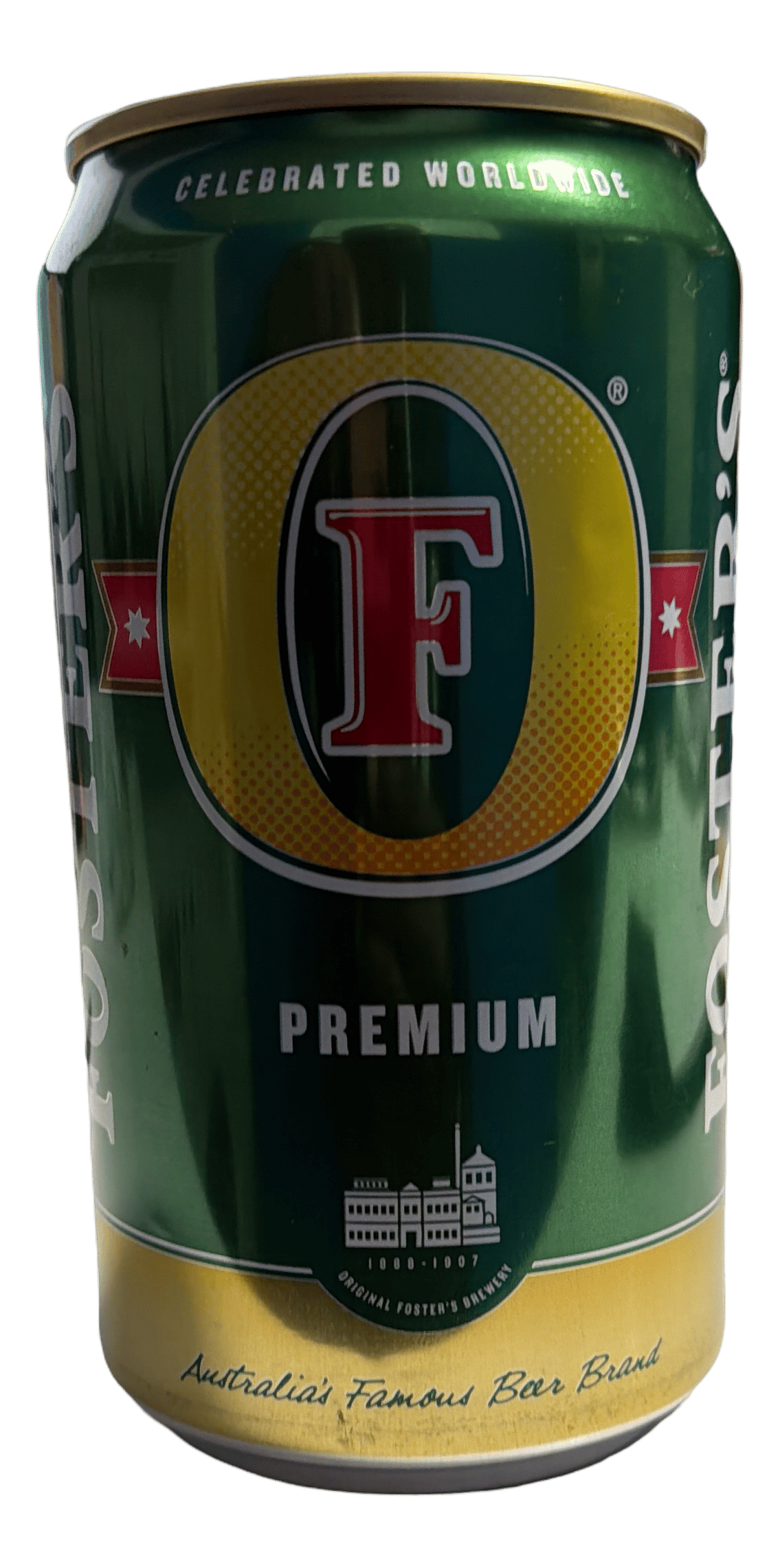
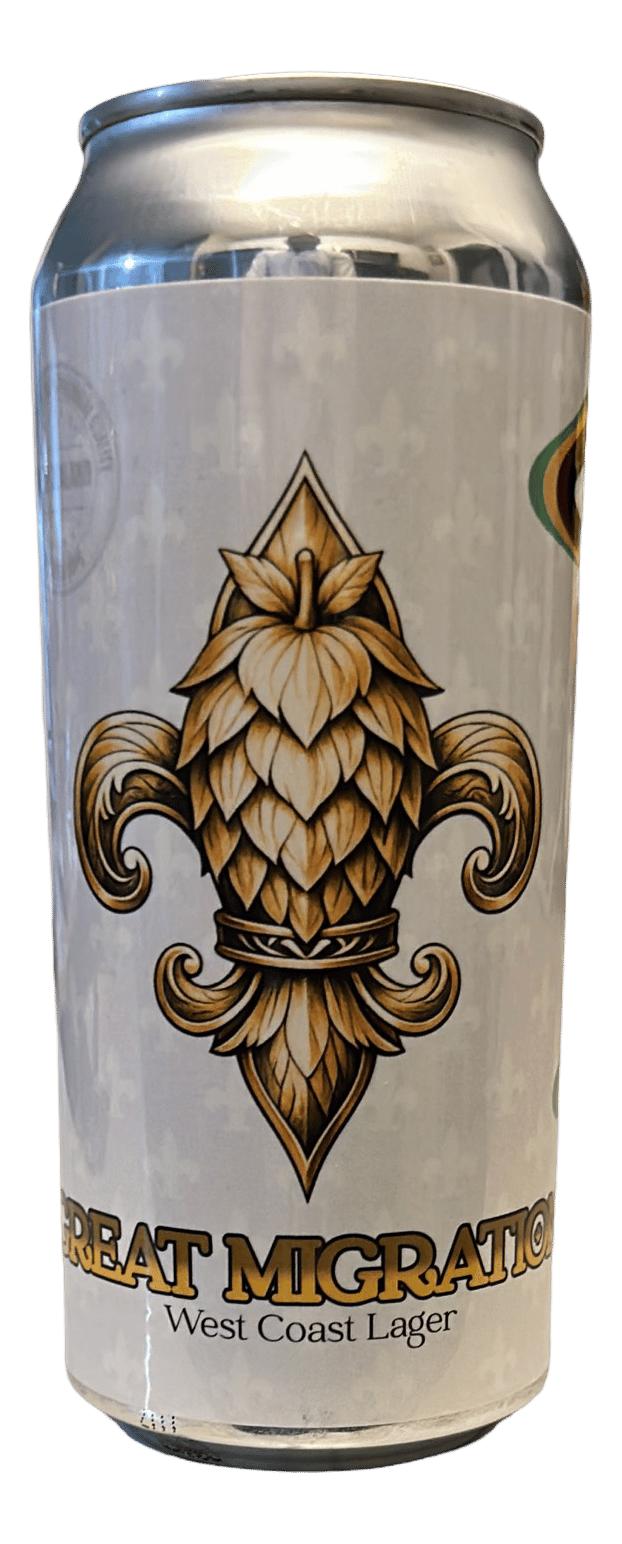
Styles within Lager
Each with its region of origin.
Amber Lager
Vienna lager's American descendant. Caramel and toasted malts give it the copper color and a bready, lightly sweet core; restrained hops keep the bitterness in check, and lager yeast finishes it clean. Usually 4.5–6% ABV. Yuengling Traditional Lager made it a bar-rail staple.
American Adjunct Lager
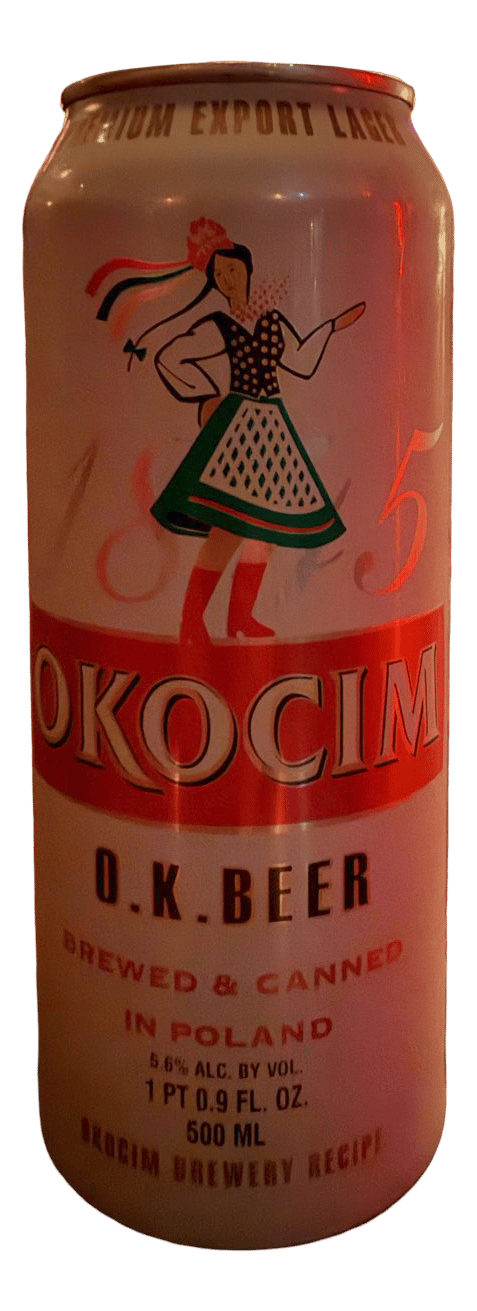
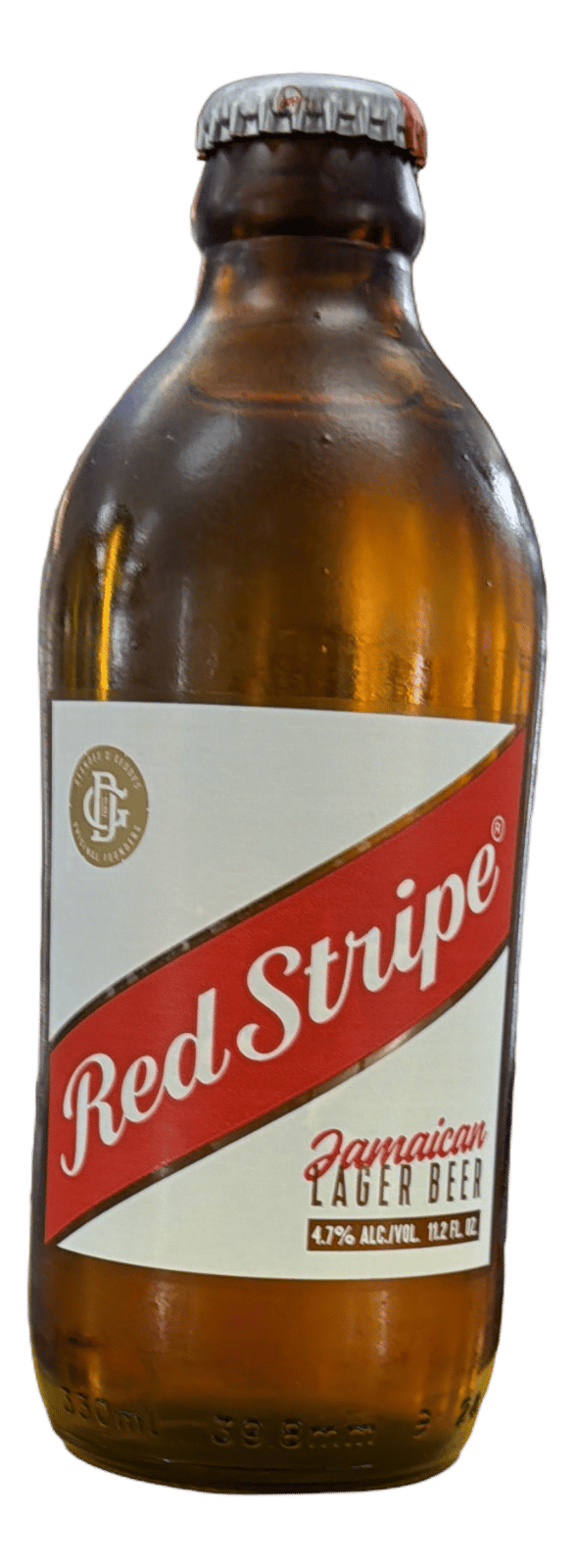
Very light body, high carbonation and little hop or malt character, straw to gold at 4.1–5.1% ABV and 5–15 IBU. Red Stripe's label calls it an American adjunct lager. Made for spicy food, light salads and seafood.
American Lager
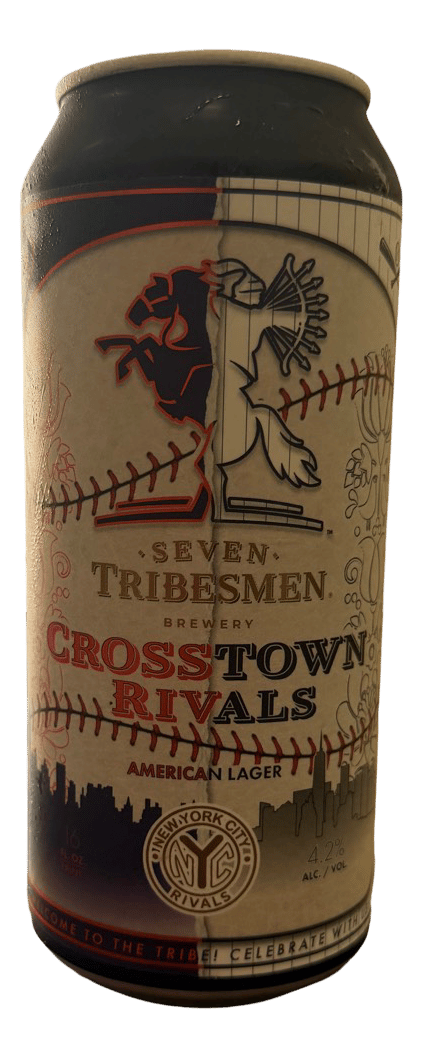
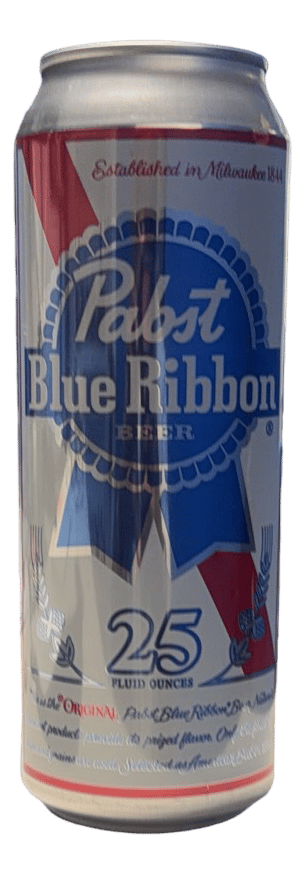
The American lager: very light body, high carbonation, little hop or malt character, straw to gold at 4.1–5.1% ABV. Budweiser and Seven Tribesmen's Crosstown Rivals print it by name. Pair with spicy food, salads and seafood.
Czech Style Dark Lager
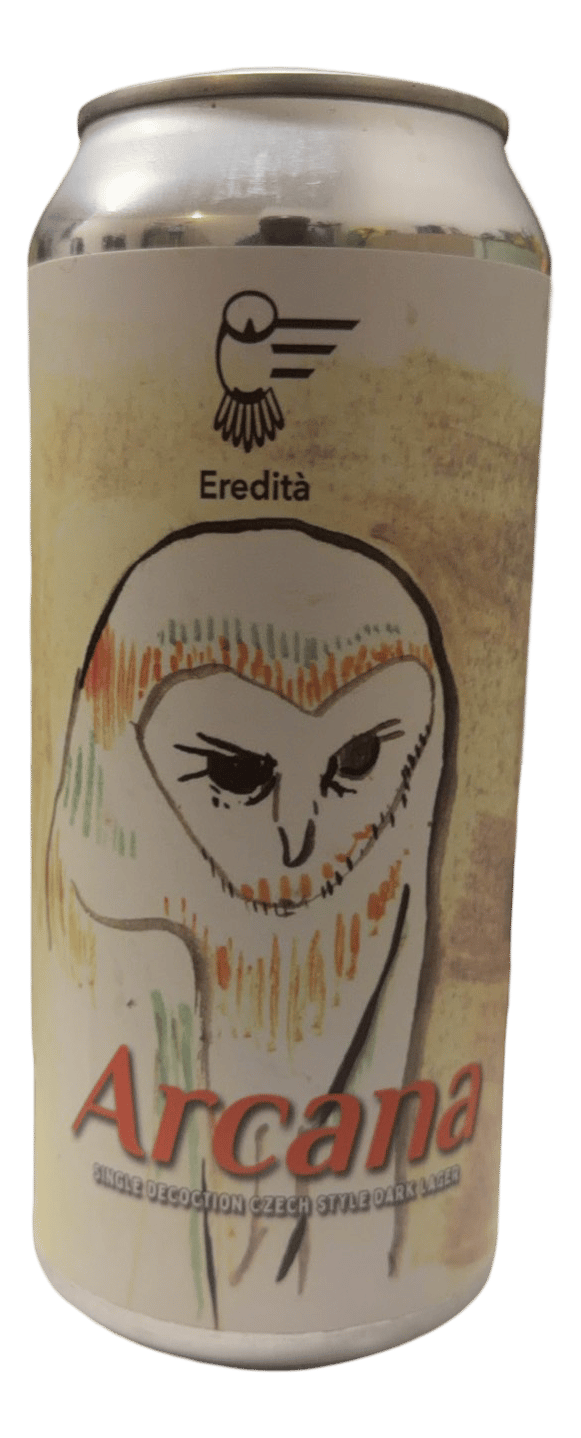
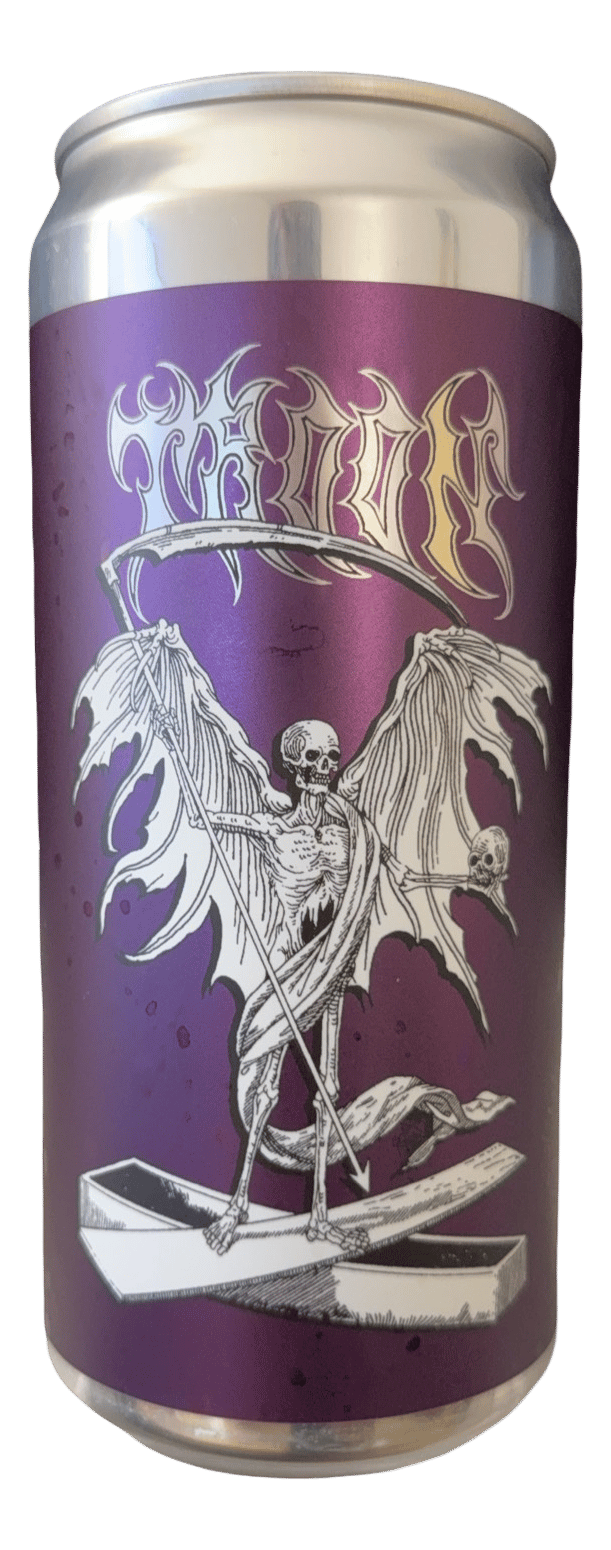
Czech-style dark lager runs reddish brown to black at 4.4–5.8% ABV and 18–35 IBU in the style guide. Ours is Eredita Beer's Arcana at 5%, labelled Czech Style Dark Lager.
Dark Lager
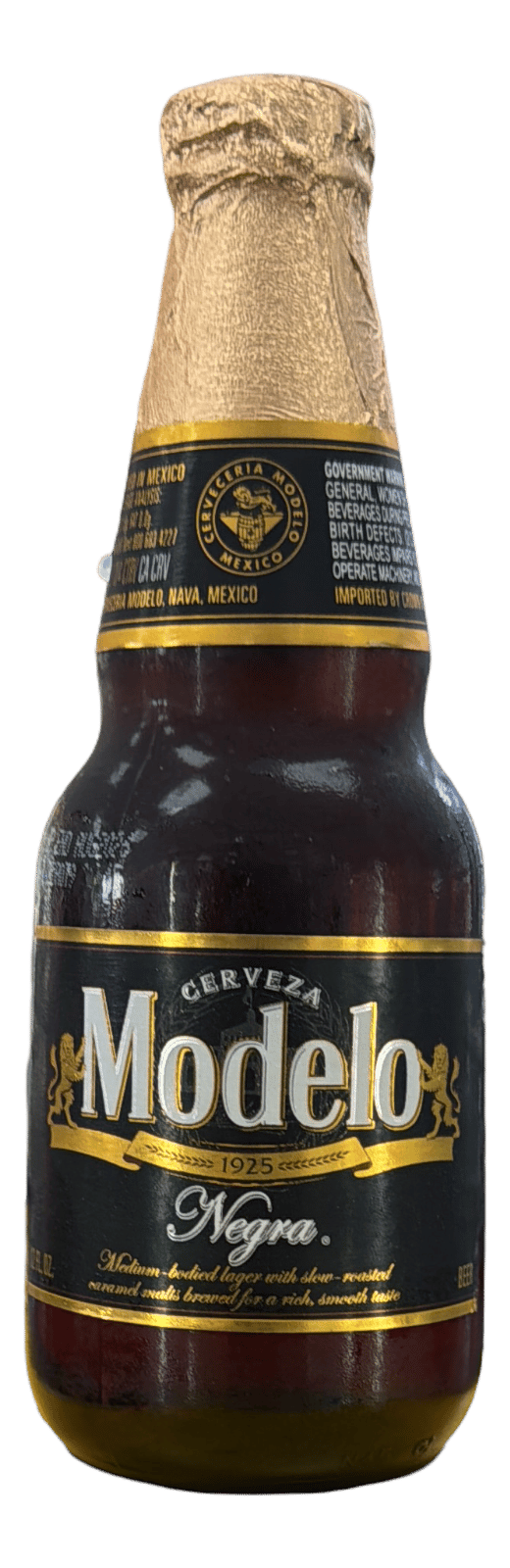
Dark lager without a regional label. The style guide's American version runs 4.1–5.6% ABV and 14–24 IBU, light brown to very dark; Europe and Mexico brew their own. Munich Dunkel, Schwarzbier and Czech dark lager each have an entry here.
Dunkel
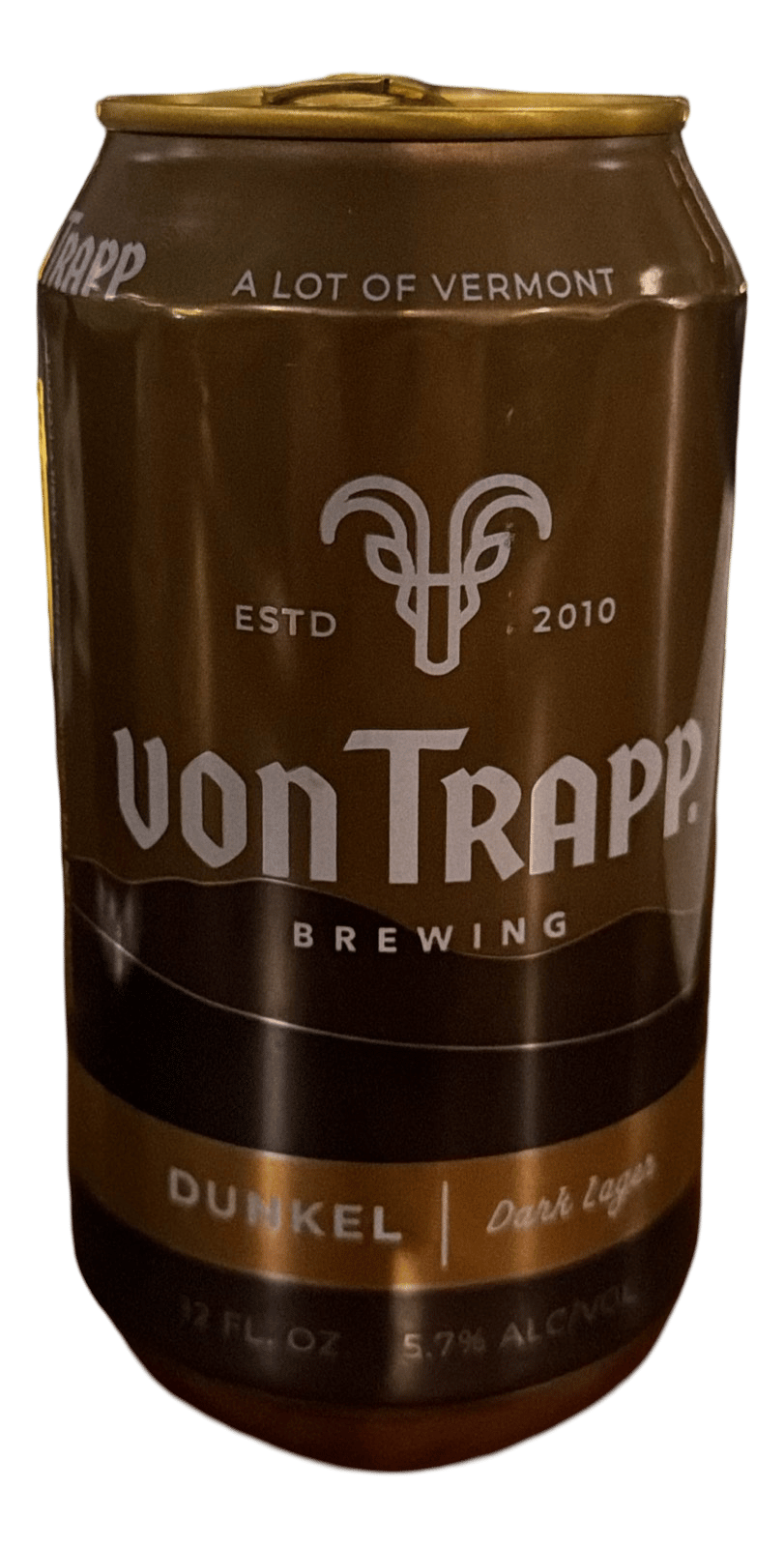
GermanyMunich's dark side, gentler than you'd expect. Dunkels skip the roast character for smooth toasted bread, caramel, and a touch of chocolate. Medium body, low bitterness, all malt expression. Proof that "dark" doesn't have to mean "aggressive".
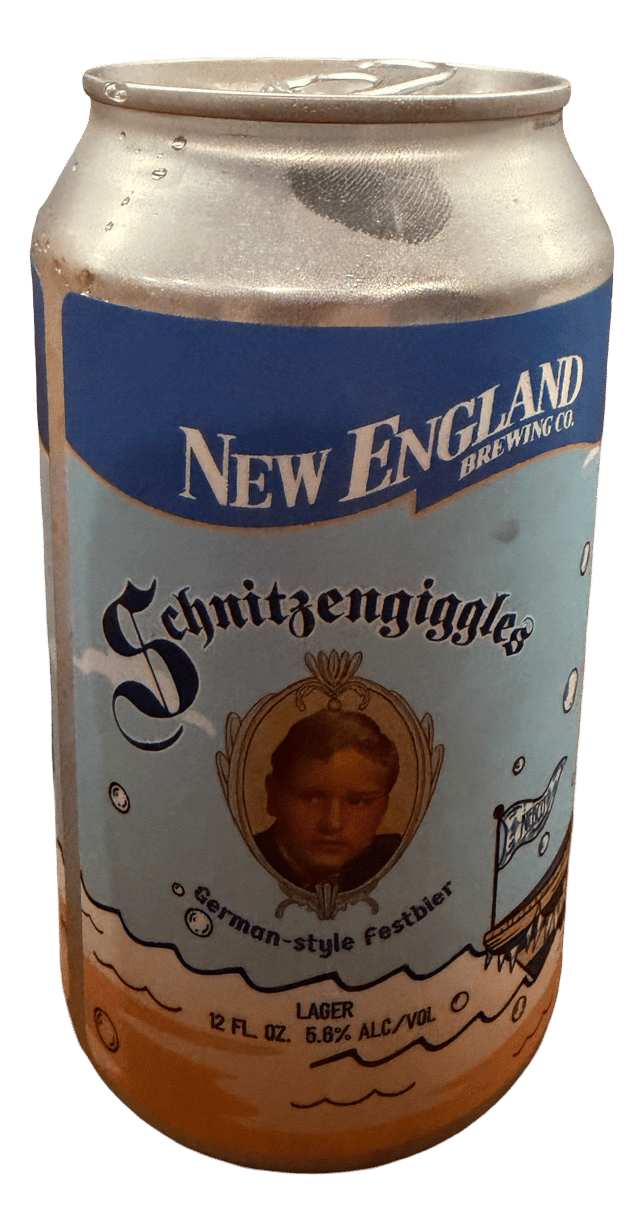
Festbier
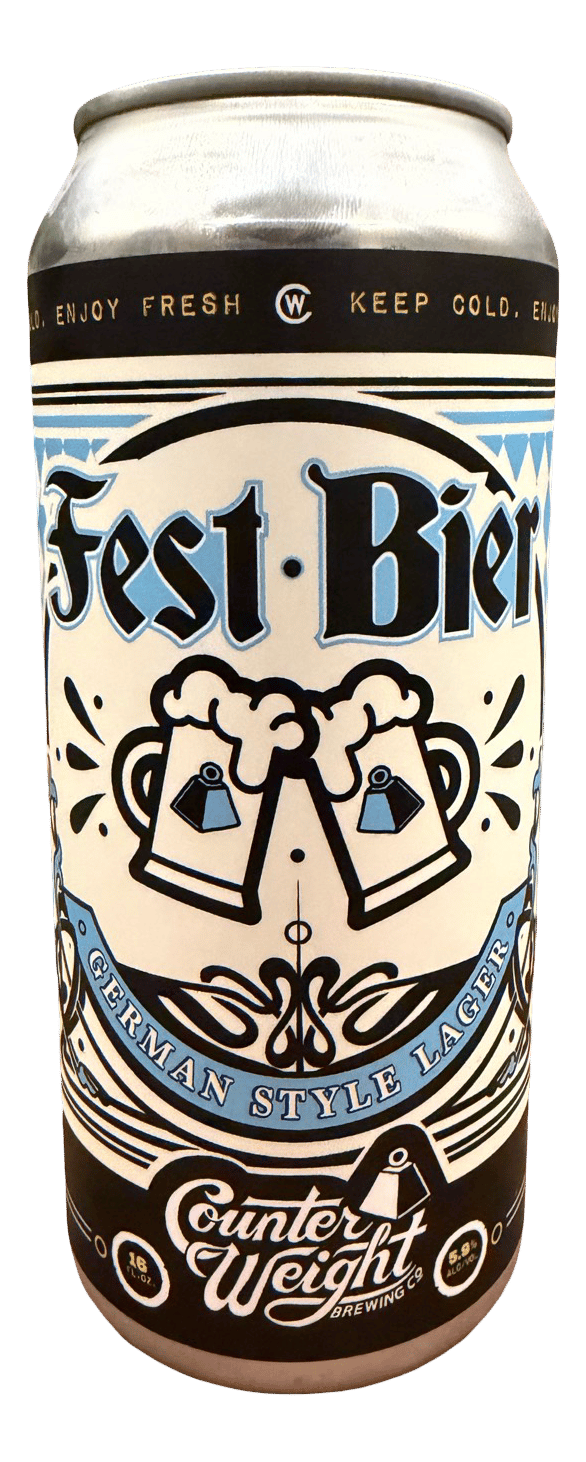
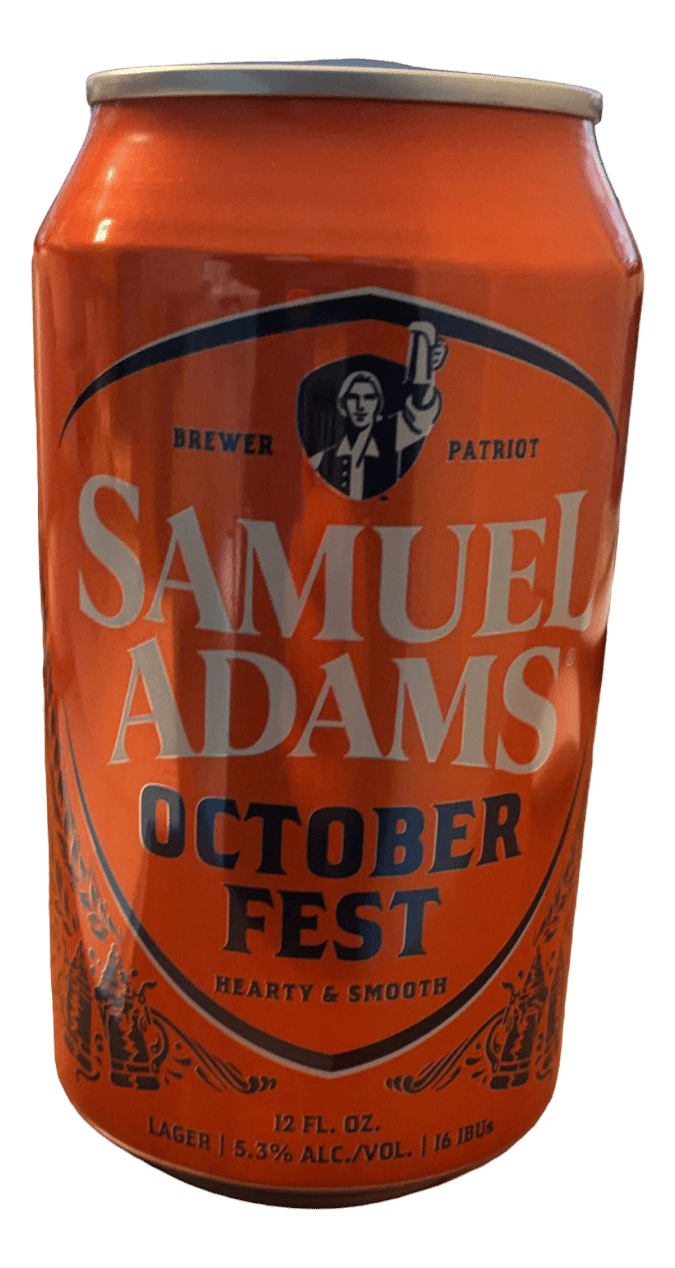
The style guide files Festbier with Oktoberfest: straw to gold, 5.1–6.1% ABV and 23–29 IBU, paler than the amber-to-copper Märzen. Ours is New England Brewing's Schnitzengiggles, at 5.6%.
Fruit Lager
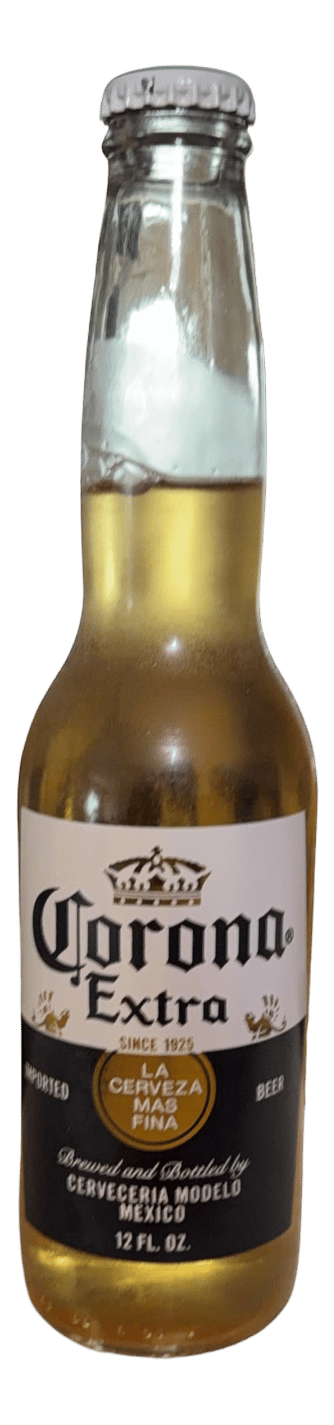
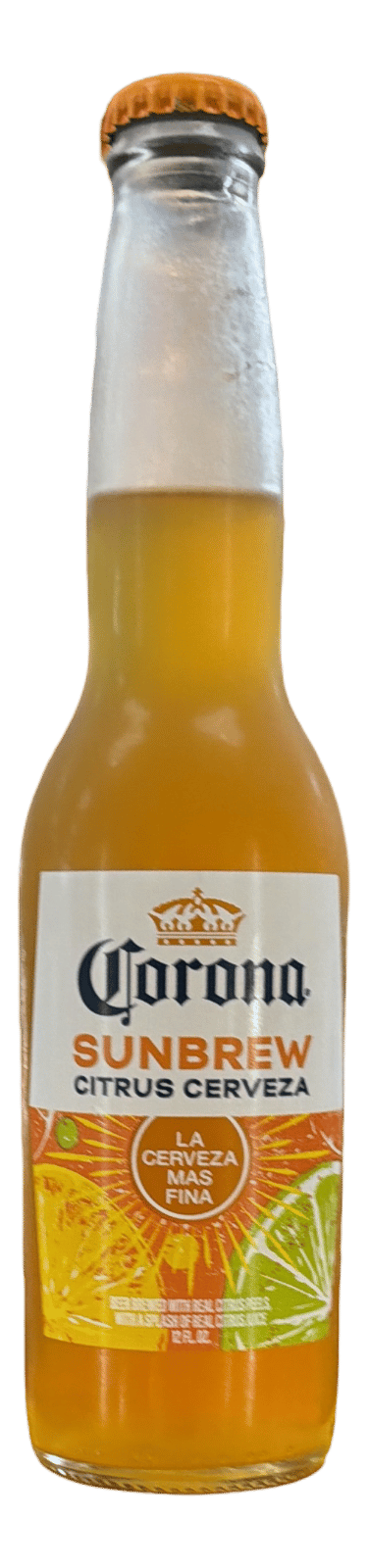
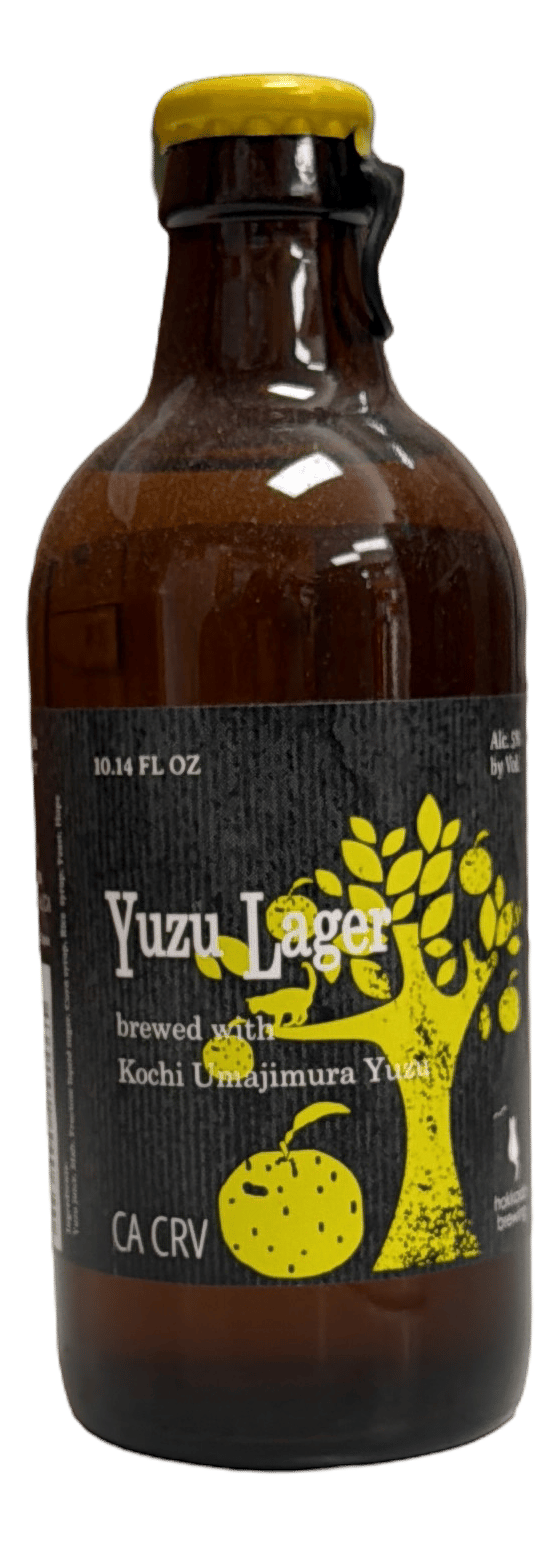
Lager with fruit added to complement the base beer. The style guide's fruit beers run 2.5–12% ABV, coloured by the fruit. Ours include a yuzu lager and Corona Sunbrew Citrus, which labels itself a flavored lager. Pair to the fruit: citrus with seafood, berries with dessert.
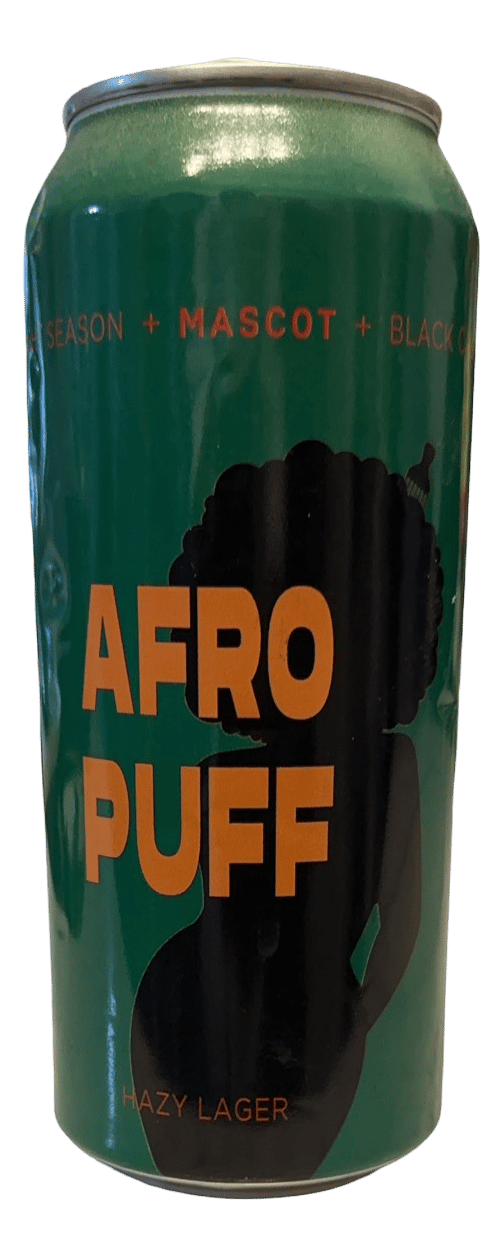
Hazy Lager
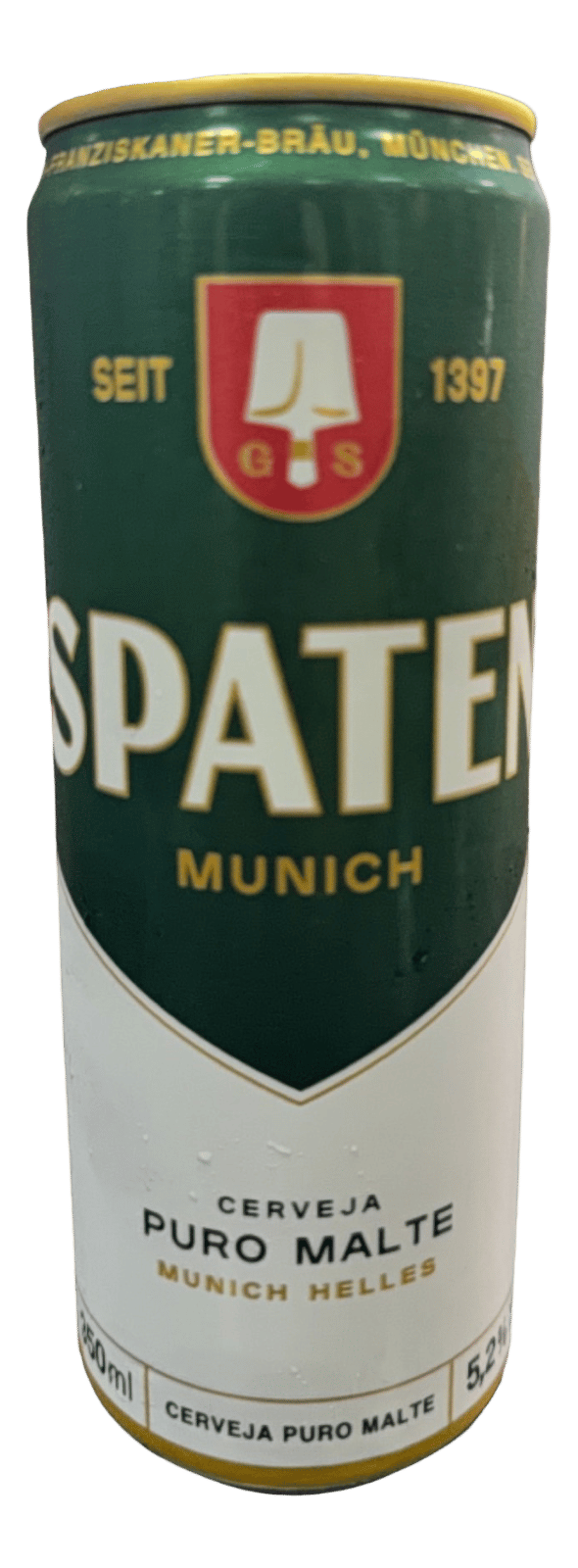
Helles
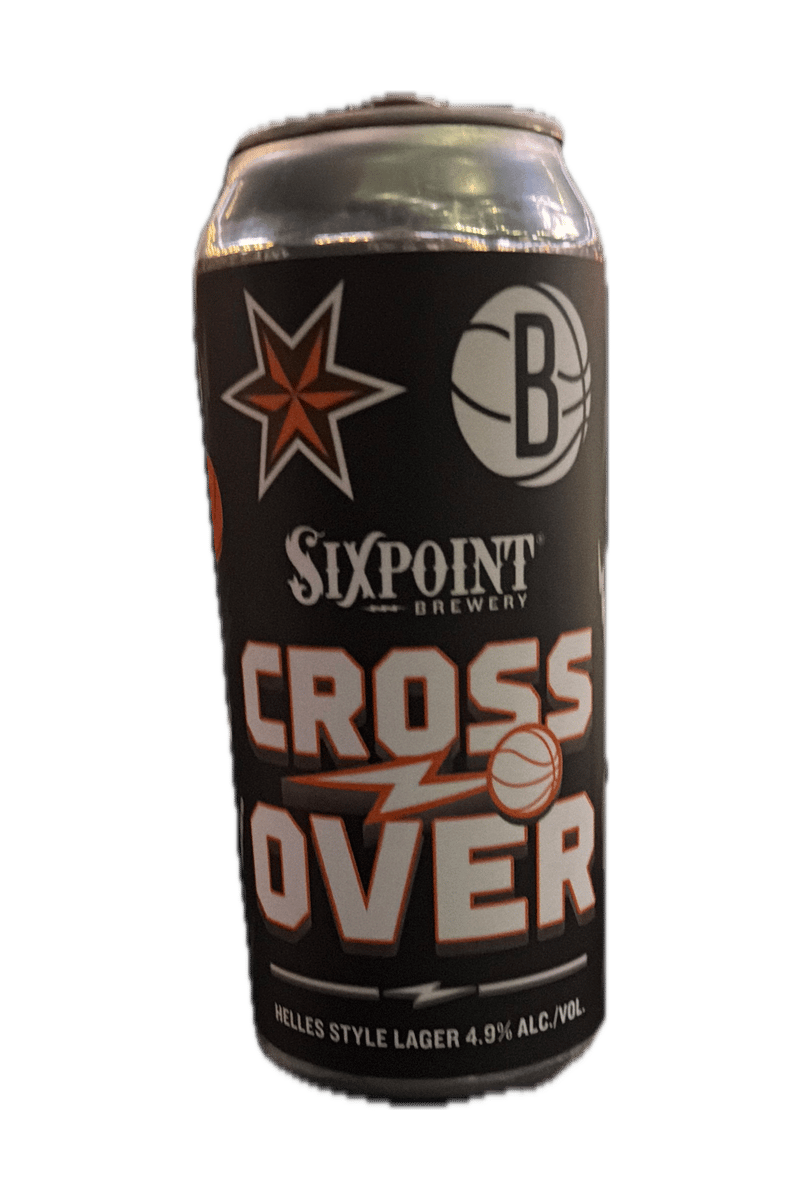
GermanyMunich's answer to pilsner—brighter, maltier, less aggressive on the hops. Helles means "pale" in German, and that's exactly what you get: bread-crust malt, a whisper of Hallertau, and crushability turned up to eleven. The quiet legend of Bavarian beer gardens.
Italian Style Lager
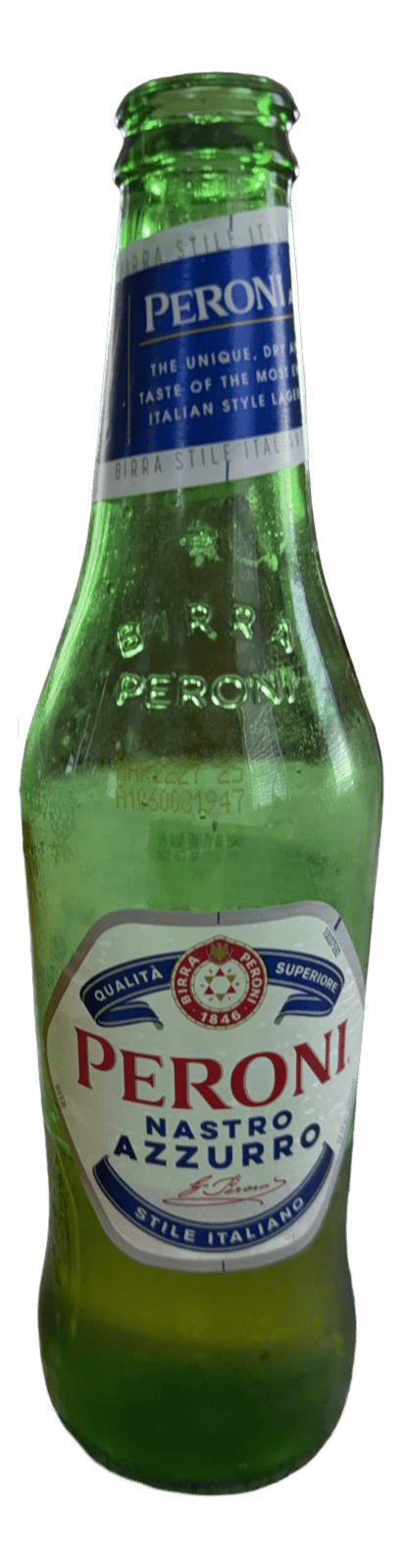
Peroni Nastro Azzurro prints this style on its label, at 5% ABV. The style guide has no Italian-style lager entry; its nearest is the Italian-style pilsener, straw to gold at 4.6–5.3% ABV and 25–50 IBU.
Kellerbier
GermanyUnfiltered cellar lager.
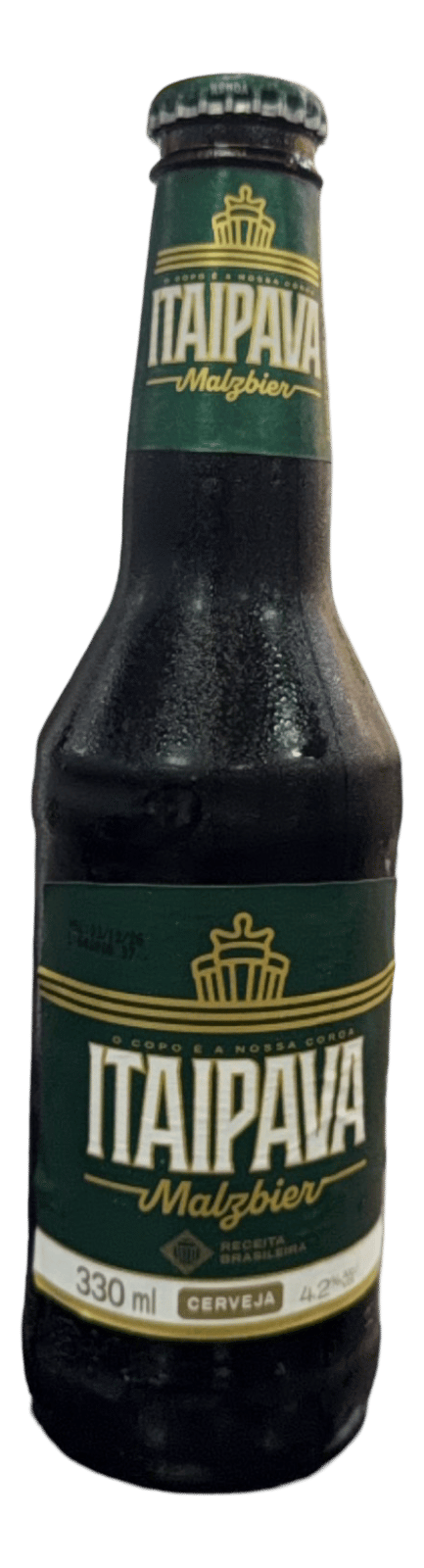
Malzbier
The style its label prints: Malzbier. Ours is Cervejaria Petrópolis's Itaipava Malzbier, at 4.2% ABV.
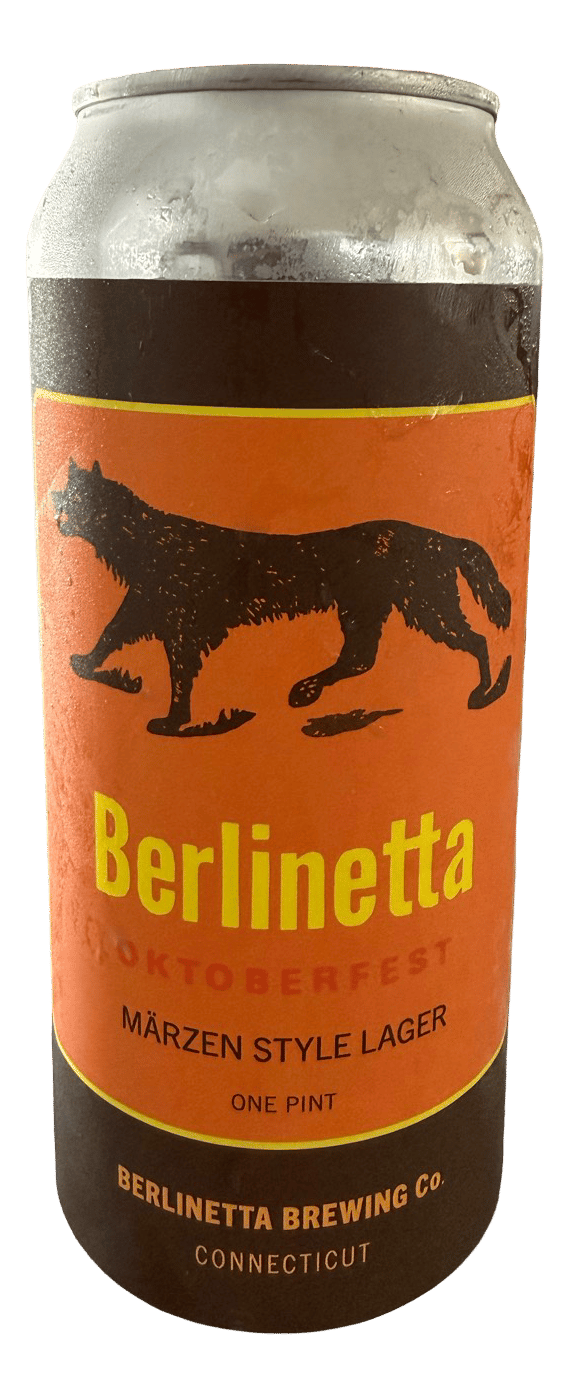
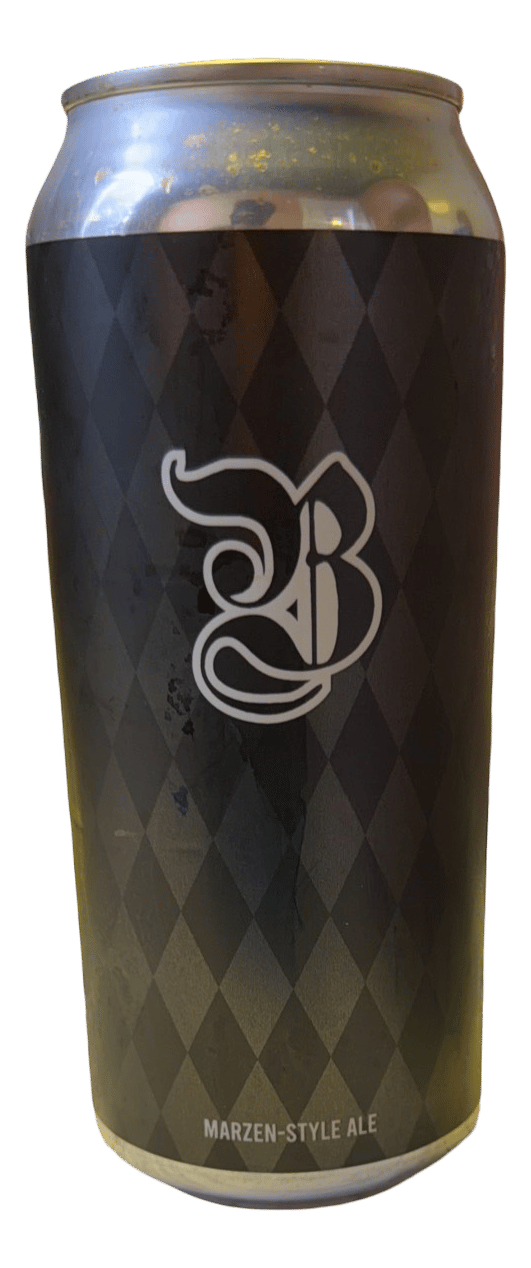
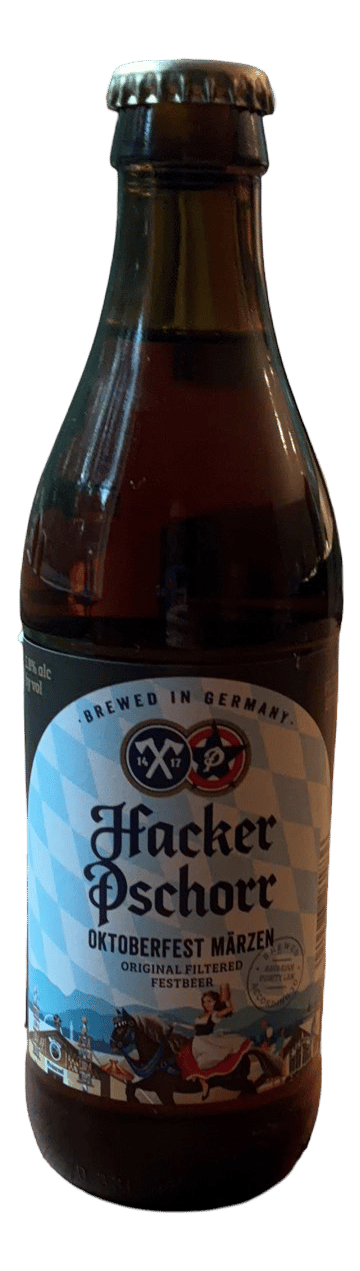
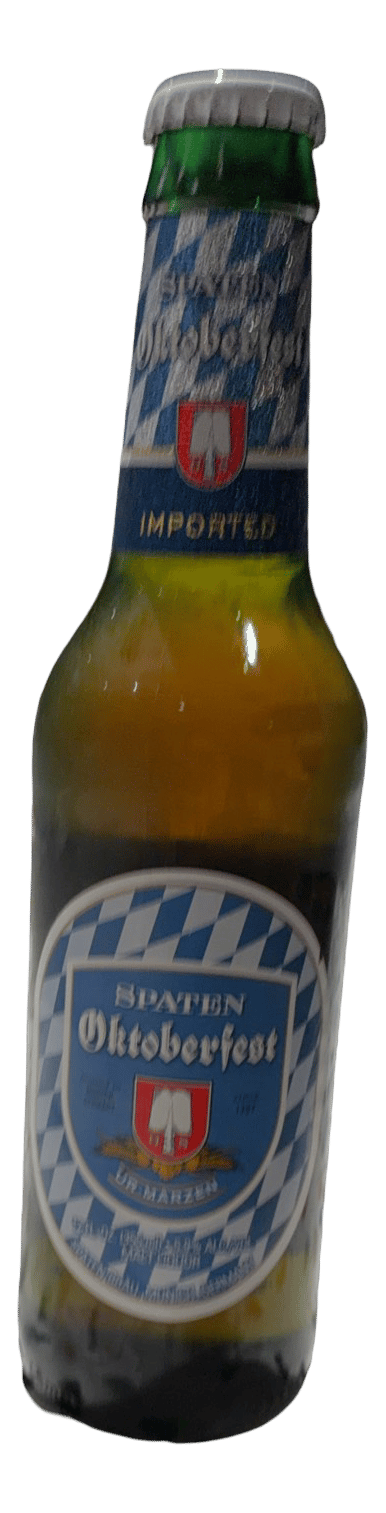
Märzen
GermanyRich malt, a light touch of hop bitterness and an amber-to-copper glow at 5.1–6.0% ABV. The style guide spells it Maerzen; labels we've scanned also print Marzen and, phonetically, Martzen. Every spelling lands here. Made for German sausages and roast pork.
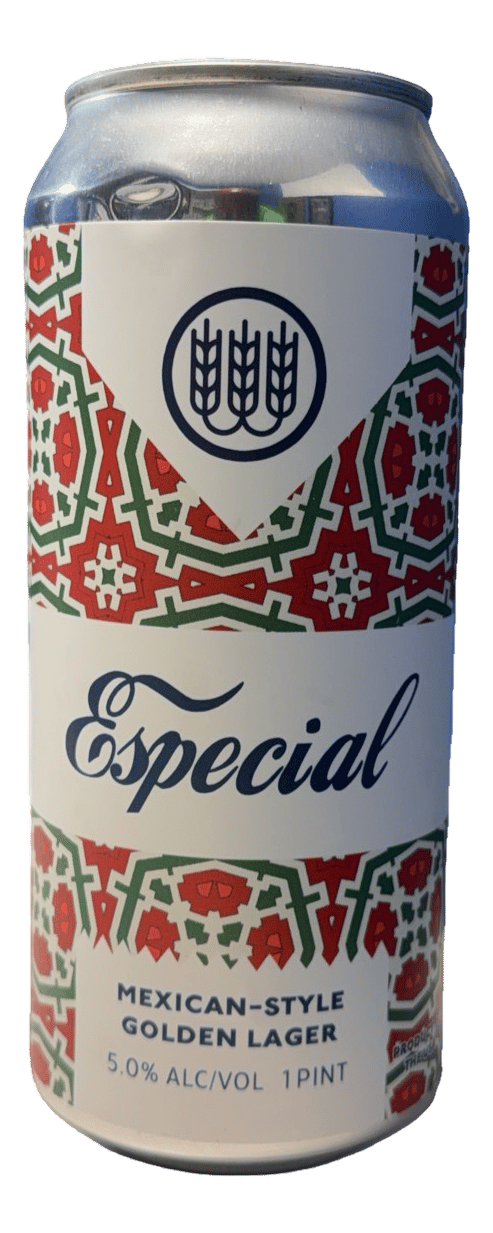
Mexican Lager
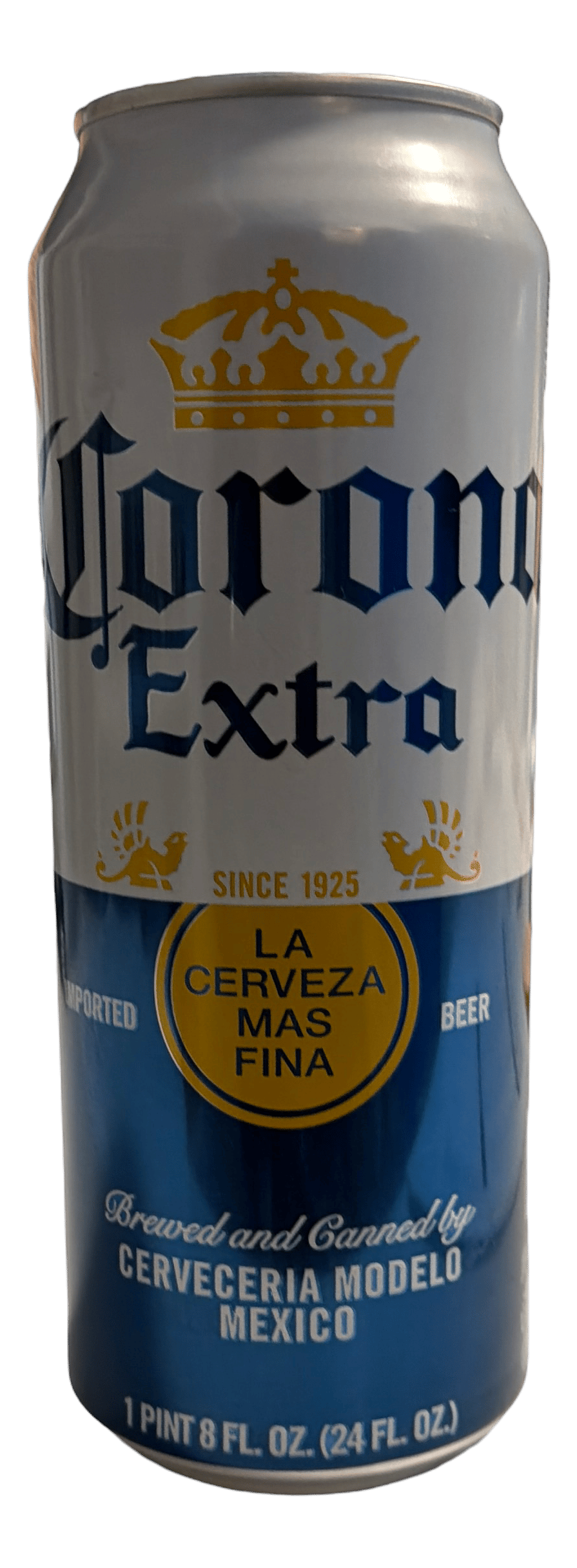
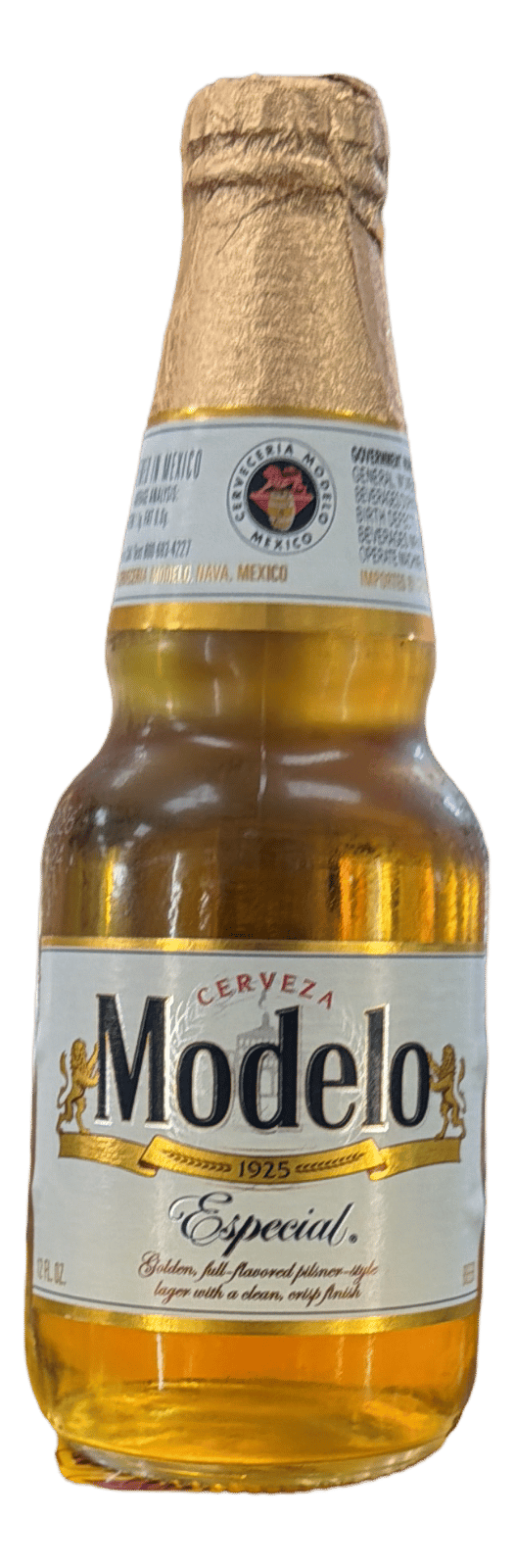
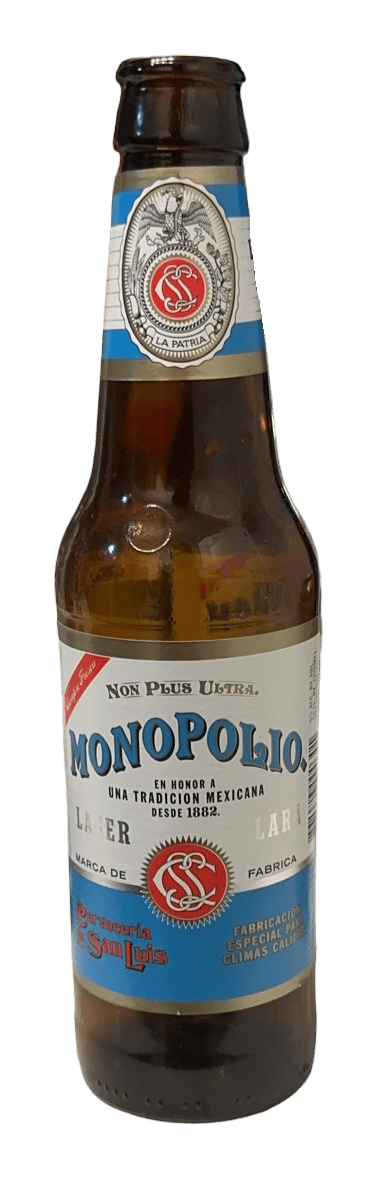
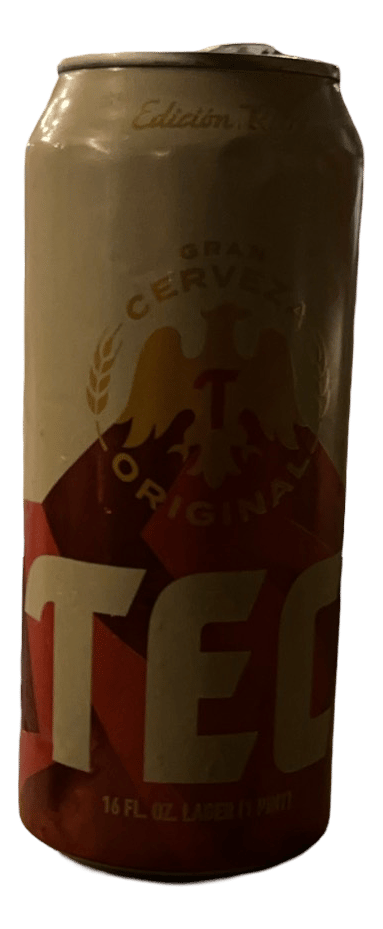
MexicoVienna lager reimagined under the Mexican sun. Austrian brewers brought the style in the 1800s; local brewers adapted it into something lighter, crisper, and flat-out built for heat. Pair with lime and a beach.
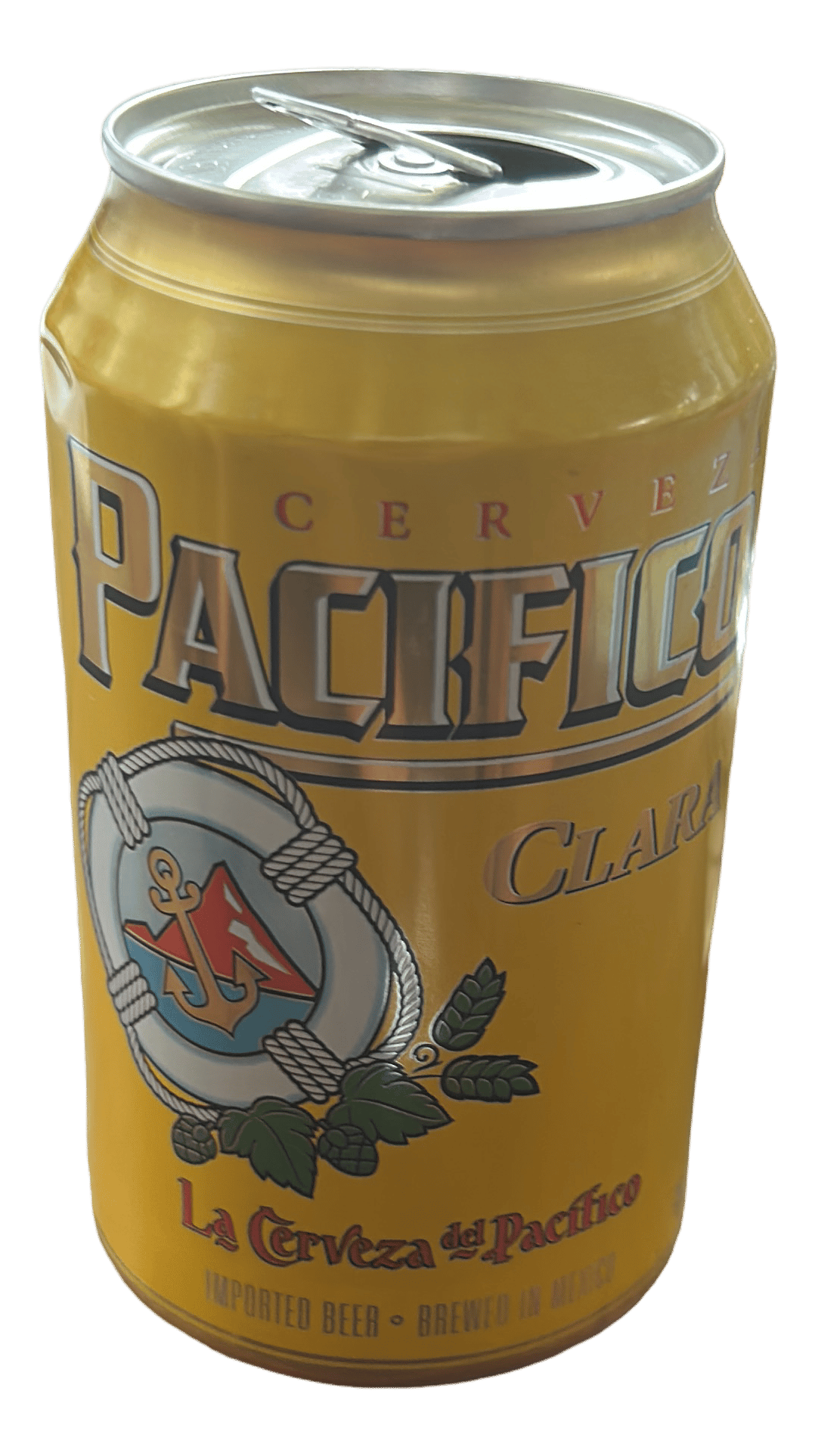
Pale Lager
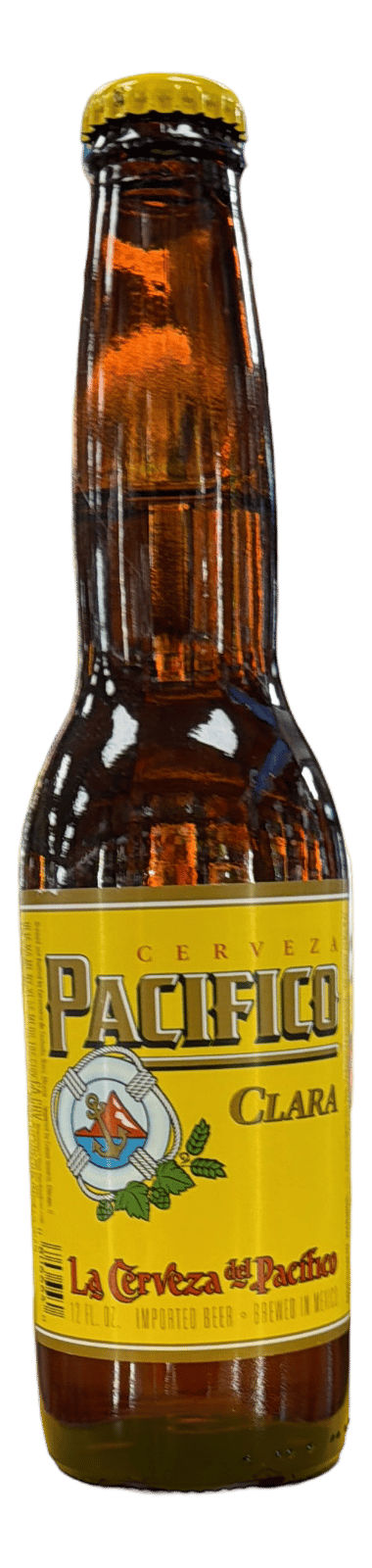
Pale lager in the style guide comes in Czech and Mexican versions; the Mexican-style one runs pale to deep gold at 4.5–5.0% ABV and 15–22 IBU. Ours is Pacifico Clara, at 4.4%.
Schwarzbier
GermanyGerman for "black beer." Lives up to the name visually but drinks like a light-bodied lager with coffee-adjacent notes. Dark roast with none of stout's heaviness. Thuringia and Saxony's signature contribution to dark brewing.
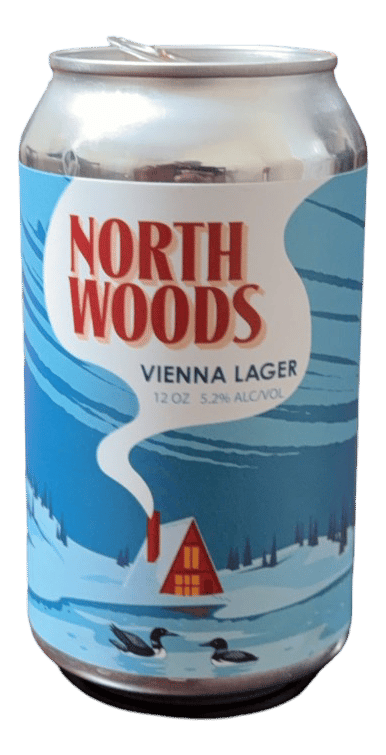
Vienna Lager
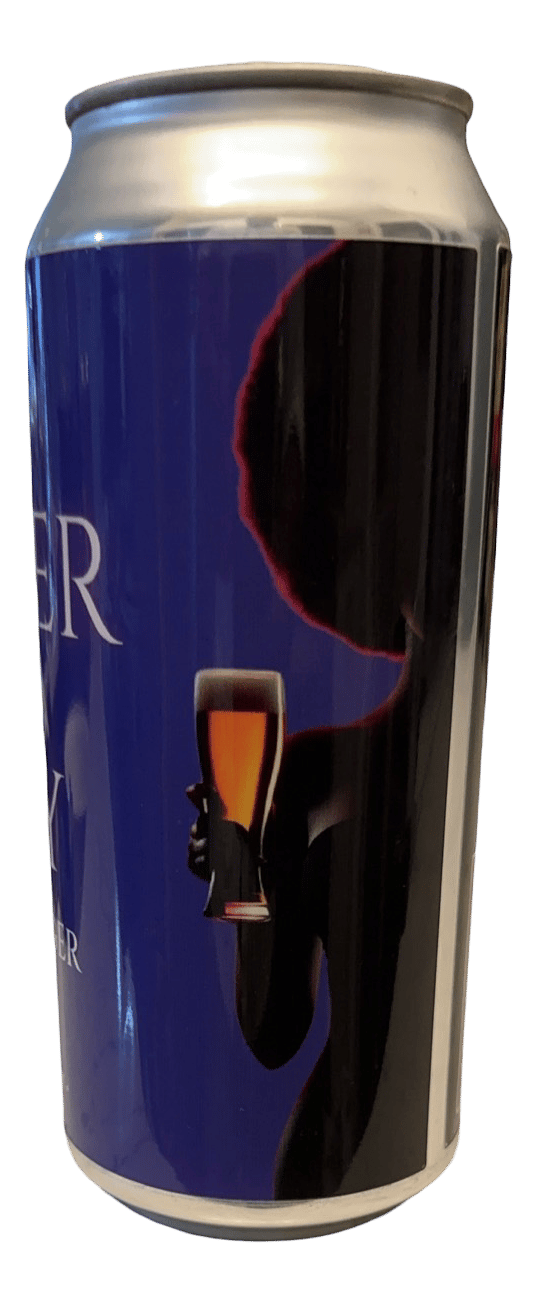
AustriaThe original amber lager, invented by Anton Dreher in 1841 using kilned malts that gave it a distinctive copper color. Toasted bread, a hint of caramel, clean lager finish. Mostly relocated to Mexico now, but the roots are Austrian.